Tag Archive | Bacillus thuringiensis–Bt

Prepare Now for Cool Season Gardening

Updated 4/12/2026


Today, In the Garden
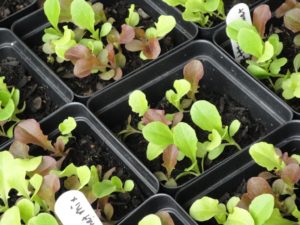


leaf lettuce seedlings


My gardening year never ends, transitioning without a hiccup from one season to the next. One crop finishes up, and a new one takes its place in any of several garden spaces on my property. That’s one advantage of living where winters normally are moderate, here in the Piedmont of North Carolina (USDA zone 7b). In this article, I’ll describe how to get the most out of your summer garden, and I’ll offer many tips on growing greens into the colder seasons.

Although an occasional cold blast might drop nighttime temperatures into the single digits F, those extremes don’t happen every year. Cool season gardening still can be a very satisfying project…and might be a bit of a learning curve for new gardeners.

While some gardeners lament the end of the growing season, I welcome autumn as the beginning of new crops of edibles. Pleasant fall weather and clear blue skies make outdoor activity an absolute joy as cool season gardens become established. As a bonus, these are the months without weeds and insect pests, or fewer of them.


Dealing with Frost


green tomatoes on the kitchen counter

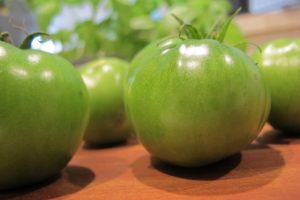
These green tomatoes will ripen on the kitchen counter.


Weather is a constant consideration for us gardeners. Ordinarily, the first autumn frost arrives here around the third week in October. But it can occur weeks before that or weeks later, in November. With warm days and moderately cool nights, the last of the tomatoes and peppers ripen in the gardens.

Sometimes, one or two more weeks of mild temperatures follow the first fall frost. That’s a good reason for not removing summer vegetables right away, assuming they survived the first chill and retain some younger fruits. Covering the plants protects them from cold nights, as described in the next section.

Right before an expected frost, I pick green tomatoes that are mature or almost mature in size. They’ll ripen indoors, in bright light and average indoor temperatures. Any fruits remaining on the vine not protected by a canopy of foliage will be damaged by the chill. Cucumbers, peppers, zucchini, and other tender crops also should be harvested before the first frost.

Consume cracked, bruised, or blemished vegetables first since they deteriorate quickly. In some years, the last tomato is eaten weeks after New Year’s Day. High humidity in my home—from two fish tanks and plants everywhere—helps keep the tomatoes in good condition.


Covering Crops with Plastic or Old Sheets
 

mini lights under plastic cover

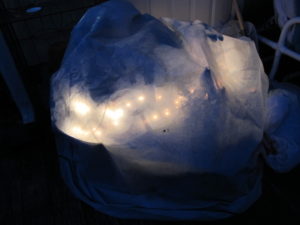
Clear plastic and mini incandescent Christmas lights.


Few of us want to see garden production come to an end, especially with younger fruits still clinging to the stems. In the meantime, though, we can do a few things to maintain slightly warmer conditions while those last fruits ripen. And consider cool season gardening, after the tomatoes are removed, which opens up a whole world of possibilities!

Covering the plants with large sheets of plastic, a tarp, or old sheets at night holds in the warmth. Some gardeners use heat cables or strings of incandescent miniature Christmas lights to provide a bit of warmth at night. The goal is not to create a tropical atmosphere, but rather to increase the temperature several degrees to prevent frost damage and to help ripen the last fruits. (Photo, above: plastic film, an old towel, and lights prevent cold from reaching these potted vegetables in Charlotte NC, several years ago.)

Avoid letting the plastic covering touch the plants. At night, the cold transfers directly to the leaves and can damage or freeze them. Prop the coverings on taller stakes or place a layer of cloth (an old cotton sheet or light blanket) between the plastic and the plants. You could go a step further and place large containers of hot water near but not touching the plants. Weigh down the sides of the covering to confine the warmth and to prevent the whole thing from blowing away in the wind.

For all plants protected from frost, remove the coverings when morning sunlight warms the area. Heat builds up very quickly under clear plastic, roasting the plants.

Next spring, I might use a large tarp and hot water bottles under the small peach tree. In April 2025, we had an unexpected freeze, which ruined several dozen peaches that had grown 1/2″ long. They would have been the tree’s first harvest. The forecast predicted 35-37°F at night, but only one fruit survived the 27° night.

(***Update***: Happened again! A few April nights predicted to fall below freezing prompted me to affix some old sheets and a tent canopy to the lower part of the peach tree. The tree was just too large to protect all the fruits. No tiny peaches survived in the top half of the tree, but about 20 fruits that were protected will continue to grow. Fingers crossed. 4/12/2026)

On cold, overcast days in autumn, the protection can remain in place during the daytime if any summer crops are worth saving at that point. A wide footprint provides an opportunity to warm a larger area of ground, which releases that warmth to the plants at night. But don’t expect a significant turnaround in the summer vegetables’ vigor. Vent the covering if the space overheats in the daytime.

Keep those materials handy, as they might be needed to protect cool season gardens as the temperature plummets. While many consider these procedures going too far, let me remind you that only fairly flavorless store-bought tomatoes will be available after this point, if you choose to buy them at all. No thanks; I can wait until next year’s new crop. Each ripe tomato in autumn is treasure.


Potted Plants for Growing Indoors
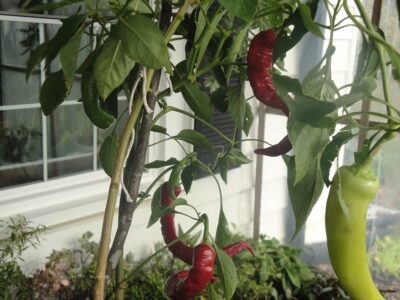
 

pepper 'jimmy nardello' overwintered in enclosed porch

Heirloom ‘Jimmy Nardello’ pepper.


Because they’re tender perennials, peppers can be potted for indoor growing. (A “tender perennial” can live two years or more, but it can’t tolerate frost.) Keeping a few pepper plants potted through the summer makes the transition to the indoors easier than digging plants at the last minute. To increase your odds of success when digging up plants, remove more than half of a large plant. Choose small to medium sized pepper plants, if you can, for keeping indoors over the winter. You’ll need to hand-pollinate the flowers to set fruits, and scout daily for aphids. Peppers need 6+ hours of direct sunlight to survive.

Potted herbs can grow indoors in a sunny window. Divide a clump of chives growing in the garden, take a small division of thyme, and prepare a pot of parsley a few weeks before frost. Or you can start seeds of your favorite herbs in mid to late summer, and keep some of them potted.
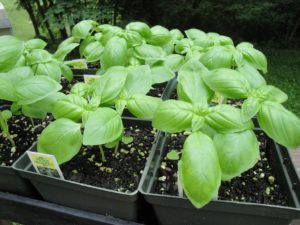
potted basil

Basil ‘Genovese Compact’, ready for the farmers’ market.

At the farmers’ market, you might find a vendor who sells potted herbs in late summer or early autumn for indoor growing, as I do. For basil, starting with young basil plants ensures they will last all winter, if growing conditions favor growth. An older basil by late summer wants to flower, becoming “woody” and tired. Because it’s an annual, it won’t last much longer in good condition. (Annuals grow for one season, starting from seed, growing and maturing, flowering and setting seed, and then dying.) So, either start seeds or purchase young plants in late summer. Basil must be protected from chilly temperatures, so start moving healthy plants indoors before nighttime temperatures drop below 55°F.

Tropical houseplants also need to come indoors as temperatures decrease. Pothos, philodendron, alocasia, aglaonema, African violet, orchids, and spathiphyllum are among those that are very sensitive to cool temperatures. They’re the first species to come indoors, at 60°, after inspecting them for insects, slugs, and spider mites. Before temperatures drop below 50°, return ficus, palm, dracaena, schefflera, aralia, and other tropical plants indoors.

Houseplants that benefit from cool temperatures include cyclamen, Christmas cactus and other orchid cacti, many other succulents, and English ivy. Some develop new flower buds after being exposed to a few weeks of cool temperatures, in the high 40’s and 50’s. But they and all remaining tender houseplants should come indoors before they’re damaged by frost.


Shopping Your Local Farmers’ Market


I’ve been selling herbs, cool season greens, and vegetables—as transplants—at our county farmers’ markets since 2022. Lots of these vegetables are planted in my own gardens for cool season harvests, with some freshly cut produce sold at the markets.

A weekly visit to your local farmers’ market demonstrates what can be grown in your region at that time. Ask the grower if her produce was grown in the open or in a protected space, such as a greenhouse.

Try some new greens and vegetables to broaden your family’s exposure to different foods. This is a good way to determine which varieties of edibles you like and might try growing in your own garden. Most vendors are happy to spend a minute or two answering your questions about variety selection. And they might offer tips for successful growing and kitchen preparation.

Growers offer a wide variety of vegetables, herbs, greens, and fruits at busy farmers’ markets. You might see greens or varieties of basil not sold in grocery stores or garden centers. And you can’t beat the freshness of the produce—unless you grow it yourself, of course.

The number of choices offered by seed suppliers is phenomenal! Each year presents opportunities to sample new cultivars. Favorites will be reordered for my horticultural business and others that did not live up to the hype won’t be purchased again.

Consuming freshly picked greens and vegetables gives you the full complement of nutrients. Vitamin and phytonutrient content begins to decline within 1-2 days after harvesting, so picking veggies from your own garden (or purchasing them from the farmers’ market) and using them the same day delivers the most nutrients. Their flavor, naturally, is superb.


Supporting Your Local Economy

My small company, Wellspring Gardens, has participated in farmers’ markets and garden shows for decades in Maryland, around Washington, D.C., and now in northwestern North Carolina. I love the concept of supporting our local economy. Growers, artists, and crafters offer unique home-grown and hand-crafted items; these are our friends, neighbors, and fellow townsfolk!

A few vendors, through grit and determination, have realized their dream and succeeded in marketing their products throughout the country. Joe’s hot sauce and a popular coffee company both got their start at the local farmers’ markets in Montgomery County MD, where I lived before moving to Charlotte in 2013. (I moved here, to Wilkes County NC, in 2021.)

Farming has become a particularly difficult endeavor in recent decades, with hundreds of thousands of farms across America shutting down. Local growers getting retail prices for their crops at farmers’ markets, however, might eliminate the agonizing decision to sell valuable farmland for development. Small-scale farms can adopt organic and sustainable methods that would not be feasible for large corporate farming. As a result, supporting your local farmers’ markets keeps farmland producing nutritious crops on well-tended land.

As mentioned earlier, you’ll find a huge assortment of plants and produce to try. When I suggest certain cultivars for customers to grow in their home gardens, it’s especially rewarding to see them come back the next year, asking for those same cultivars.

I encourage year-round gardening, when allowed by a favorable climate. But, there are ways of getting around frigid temperatures! If this is your first attempt at cool season gardening, read through all the related posts and links here at The Farm In My Yard. In the search bar, enter the particular crops that interest you, or check the tag cloud.

For crops grown at this time of the year, continue to Page 2.


Headings

Page 1: Today, In the Garden (Dealing with Frost, Covering Crops with Plastic or Old Sheets, Potted Plants for Growing Indoors), Shopping Your Local Farmers’ Market (Supporting Your Local Economy)

Page 2: What can we grow in a cool season garden? (Herbs and Vegetables, Herbs That Tolerate Cool to Cold Weather, Basil, Cool Season Gardening in the Enclosed Porch, More Herbs, Succulents and Young Tomatoes, The Brassicas for Cool Season Gardening, Broccoli, Variety or Cultivar?, Green Onions and Bunching Onions, For Sustainable Bunching Onions, Spinach)

Page 3: More Greens for Cool Season Gardening (The Lettuces, My Lettuce Favorites, Swiss Chard, What else can we expect from cool season gardening?, Soil Prep, Caterpillars and Aphids), Structures for Cool Season Gardening (The Greenhouse), A Note About Brassicas and Their Antioxidants

 

Return to the top

Tips For Planting a Wire Hanging Basket


2019

Updated 7/28/2025


Tips For Planting a Wire Hanging Basket


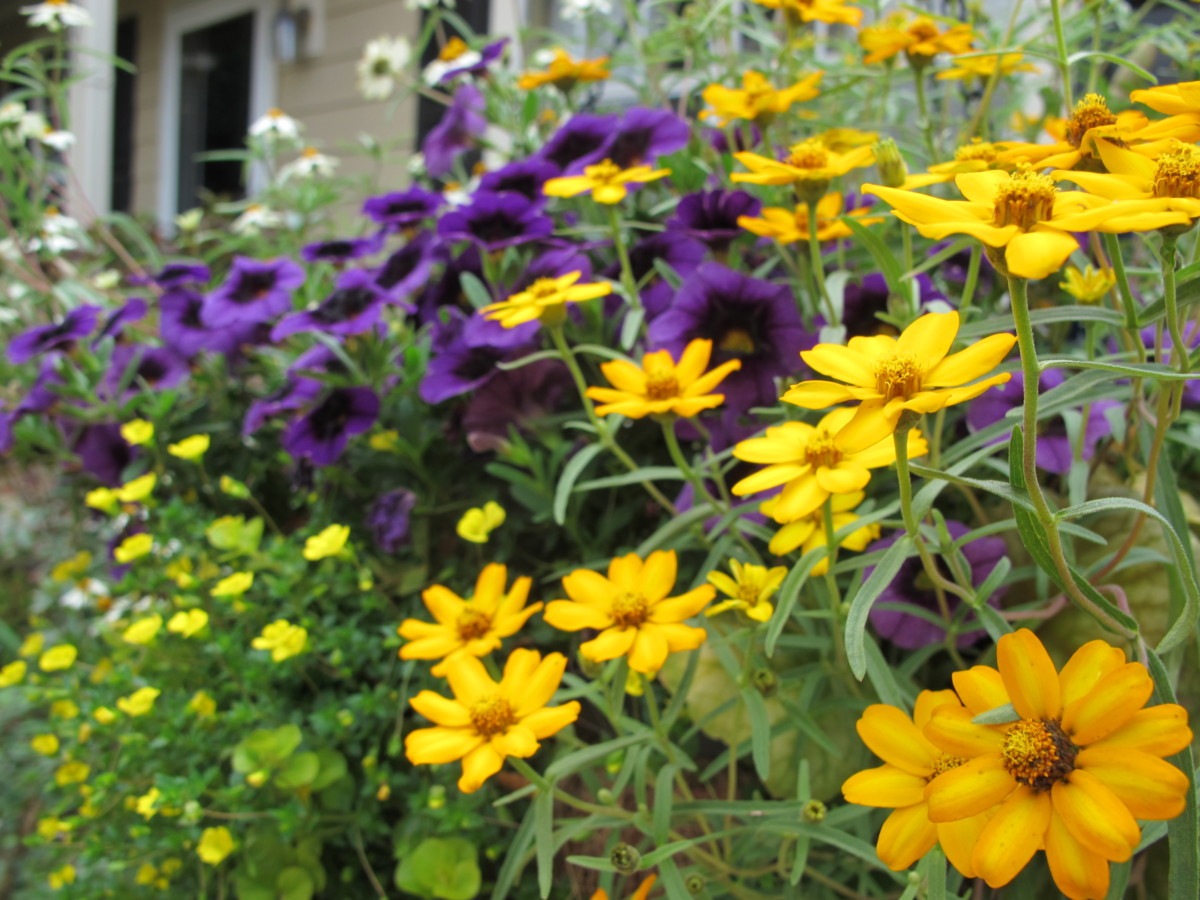
hanging basket, zinnia, calibrachoa, yellow, purple

The 16″ wire hanging basket with purple calibrachoa, yellow and white zinnias, and yellow mecardonia.


Now that the weather has settled, it’s time to plant the hanging basket. Okay, it’s 43°F in Helena, Montana, so you’ll have to wait a while. But here in Charlotte, it’s already 90°. We’ve had beautiful spring weather for weeks now, and gardens all over town are showing new life.

It is confirmed once again that I could never move back to a colder winter climate. Picking tomatoes here in early June is commonplace rather than a rarity. In the past, I’ve lived where a ripe tomato for a Fourth of July barbecue won neighborhood kudos! It’s not the summer heat I look forward to but rather the longer growing season and greens that grow through the winter.

I bought several pots of annuals two weeks ago but haven’t planted them. The plan is to refresh the wire hanging basket, and to fill the front beds with color. Complicating matters, though, is when the new siding will be installed. Our building has been rescheduled to a much earlier date, so no gardening will take place until the work has been completed.


A Few Preliminaries


Can I Reuse Old Potting Soil In the New Hanging Basket?

The hanging basket that held blooming violas and a few perennials over the winter will be emptied. The old soil, which still has value in the garden, will be dug into one of the flower beds. Organic components (peat moss and fine pine bark, primarily) break down, enriching the soil.

Used potting soil can be broken up and thrown under the shrubs or distributed in a thin layer over the lawn. More options include adding it to the compost pile and using it in the backfill when planting trees and shrubs. I never throw away old potting soil, and, of course, I’ll save the perennials. But for new hanging baskets, use fresh potting soil for the best results.

Soil in large planters can be used again if it retains good tilth and hasn’t been waterlogged. It’s good idea, however, to replace the top third of the soil. If diseased plants grew in it, compost it or dispose of it into the woods.


Refresh/Reuse

paint colors

If the basket’s metal frame looks a bit tattered, now is the time to clean and dry it. Buy a can of spray paint, in the color of your choice, and freshen it up. Look for one that will stick to the finish on the frame. Some are metal; others are vinyl-covered metal.

Maybe your mother, the artist, has some ideas about color. Jazz it up a little in a shady spot, or color-coordinate the paint color with the flower colors. If you prefer classic black or bright white, those are fine, too. By the way, wire hanging baskets are also called “English Garden” baskets.

For a frame that looks only a little scuffed, try using a solution of horticultural oil (more concentrated than you would use for insects) wiped over the frame. I’ve used the oil to freshen used plastic pots, which often looked like new again. Be careful—horticultural oil makes surfaces slippery.


Line the Liner

Wire baskets are available with reinforced green sheet moss, but more often with a coconut fiber liner. I’ve used both, and have found the coco liners to be more durable, although I prefer the color of the moss.

If you need a new liner, garden centers stock both pre-formed liners and bulk rolls that can be cut to the length desired. Before shopping, measure the curve of your hanging basket, adding a bit extra, for a proper fit.

A Simple Trick

Here’s a trick I’ve used for many years: line the inside of the coco liner with a sheet of plastic. Reuse an empty mulch or potting soil bag, cut so it extends above the rim. The excess will be trimmed after planting. Now, punch several holes around the bottom third of the plastic to allow for drainage. In hot or dry climates, consider leaving the bottom 1″ to 1 1/2″ of the plastic intact. Thirsty plants will absorb water that collects in the reservoir.

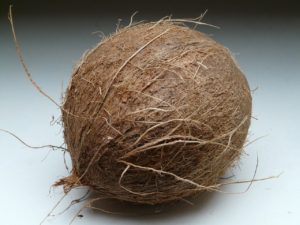
coconut

Coconut: source of coir for potting soils and coco liners for baskets.

This offers a few advantages. First, the plastic prevents soil contact with the coco fiber, delaying decomposition. A thick liner, made from coconut husks, will last an additional year or two.

Second, plastic prevents rapid evaporation of moisture from the soil. Plastic stops the hot dry wind from reaching the soil.

Third, plastic slows down infiltration of icy cold wind, delaying chilling of the soil in winter combinations.

And, fourth, soil won’t be lost through the thin, loosely woven spots in the liner. See if you can double up on the coco liner in those spots. And face the dark side of the plastic, if there is one, outward. This is less conspicuous than a bright yellow beacon peering out from the between the fibers.

Other Options

Perhaps you have other materials hanging around the shed that can substitute for a coco liner. A few layers of burlap, landscape fabric, an old blanket, or that unused fiber grow pot could work for this growing season. Still, I would line it with a plastic sheet for the reasons stated above.


wire basket, fabric liner

A repurposed grow pot, now used as a liner for the hanging basket.


Where To Place the Hanging Basket


bracket for hanging basket

Notice how weight is distributed along the vertical part on the left, pushing the bracket against the wall.


Have you decided where the shepherd’s hook will be placed? Have you already installed a sturdy bracket on the fence or deck post? Well-constructed wrought iron is costly, but it lasts a long time. Look for the thicker, heavier hooks and brackets. Visit the hardware store for special anchors and instructions if attaching the bracket to a brick surface.

Make sure the bracket or the hook is large enough to accommodate your hanging basket. This isn’t a concern with smaller baskets but is often overlooked for the large ones. Hardware is available in different sizes, so measure first, or you might find that the large hanging basket you want to use won’t fit onto the shepherd’s hook you already have.

Sometimes it’s hard to determine whether the vertical part of the bracket should be placed above or below the horizontal part. Securing the vertical side below the horizontal arm, as in the image above, helps direct the force against the wall. The bracket is less likely to pull away from the wall or post.


Sun Or Shade?


House, tree in front


Pay close attention to the number of hours of direct sunlight the chosen location will receive. As the sun changes its path across the sky from one month to the next, the amount of sunlight will vary. A location near the front door might get lots of sun in April but could be in almost full shade once the trees leaf out.

Don’t expect a blazing burst of color from plants that need 7 or 8 hours of sun if you place the hanging basket under the semi-shady deck. Plant tags often erroneously indicate “partial sun/full sun” for plants that really need full sun. Partial sun to us gardeners, by the way, is 4 hours of sun.

Ask salespeople at the garden center for advice about light requirements. Petunia, verbena, calibrachoa, lantana, zinnia, and scaevola need full sun. Lobelia, bacopa, browallia, torenia, and some of the begonias will do well in morning sun and bright afternoon shade in this hot climate. Caladium, anthurium, ‘Non-Stop’ tuberous begonias, ferns, and foliage plants can take various levels of shade.


Choosing Plants For Your Hanging Basket


Plants have upright, mounding, or trailing habits. For smaller baskets, perhaps only mounding and trailing plants will fit. If single-variety monoculture is your preference (for example, a 12″ pot of purple Wave petunias or a 10″ pot of sky blue lobelias), go for it.


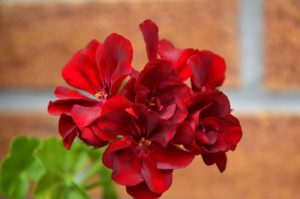
Geranium flower.


If you want a pot of zonal geraniums, avoid hanging it so high that all you see is the bottoms of the leaves and the pot. Place it with the flowers at eye level or enhance it with some trailing vinca vine and a few mounding white or yellow calibrachoas. Adding a trailing element creates greater interest and hides the pot.

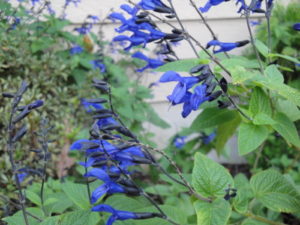
salvia black and bloom

Stately Salvia ‘Black and Bloom’ attracts hummingbirds, butterflies, and bees.

The 16″ wire hanging basket, for the shepherd’s hook in the front garden, can hold 6 to 10 plants. A large perennial Salvia ‘Black and Bloom’ (photo, right; hummingbirds visit every morning!) grows in the bed behind the basket, next to a yellow-tipped arborvitae.

So, the color scheme will include blue ‘Laguna’ (heat-tolerant) Lobelia, purple calibrachoa (million bells, a small cousin of petunia), little yellow Mecardonia, and a few golden yellow and white (powdery mildew resistant) Zinnia angustifolia.

A Heuchera with rusty-orange foliage might remain in the pot, if the color plays nicely with others. (A passionflower I had bought earlier in Hendersonville survived the summer in a tiny 2″ pot.)

I use this color combination in the fall, sometimes, when planting violas. It borrows from both the warm and the cool color palettes. When in doubt, combine colors next to each other on the color wheel (for example, red-orange-yellow [warm colors], or pink-blue-purple [cool colors]) or opposite each other (red-green, blue-orange, purple-yellow). Adding white calms everything down when using several colors.

(***Update***: While the annuals awaited completion of the siding installation, a few of them perished. It happens. I plugged the survivors into the basket and fertilized them. Six weeks later, you can see how nicely it filled out. That’s the basket, at the top of this article. And I planted the passionflower, a vigorous vine, in the garden for the gulf fritillary butterflies. Autumn, 2019.)


zinnia ang.

Zinnia angustifolia ‘Star’ series, disease resistant.


Consider These Color Combinations:

  • red-white
  • yellow-white. These first two options make clean, crisp combinations.
  • chartreuse, green, orange, and white look good together
  • shades of yellow-orange-cream
  • blue-yellow-white
  • red-white-yellow
  • silver or gray and shades of pink
  • purple-blue-silver-pink-white
  • lavender-purple-white
  • warm maroon-peach-coral-cream-sky blue

Generally, I avoid using gray/silver with pale yellow. Orange and pink together don’t do anything for me.

We tend to gravitate toward our favorite colors, so try adding varieties you haven’t tried before. See if you can introduce foliage color (caladium, coleus, lysimachia, heuchera, sweet potato vine, begonia) that echoes the color of a flower.

A contrast between flower and foliage forms might also bring greater interest. Adding fine foliage or delicate flowers (nierembergia, diascia, bacopa, lobelia, alyssum, euphorbia ‘Diamond Frost’, mondo grass) contrasts effectively with bolder textures.


Headings

Page 1: Tips For Planting a Wire Hanging Basket, A Few Preliminaries (Can I Reuse Old Potting Soil In the New Hanging Basket?, Refresh/Reuse, Line the Liner), Where To Place the Hanging Basket (Sun Or Shade?), and Choosing Plants For Your Hanging Basket (Consider These Color Combinations)

Page 2: Ready to Start?, Time To Play In the “Dirt”, Timed-Release Fertilizer, and Maintaining the Hanging Basket (Water, Soluble Fertilizer, Deadheading, New Varieties, Pruning Your Hanging Basket, Insects and Spider Mites, Slugs, Deer!)

Return to the top

Pollinators: What’s All the Buzz About?


What’s All the Buzz About Pollinators?


Trips to the garden center and articles about landscaping and edible gardening. Radio garden programs and school field trips. What do they have in common?


fruit tree, honey bee


The subject of Pollinators will come up!


bee, pollenAnd for good reason: we rely on pollinators for more than a third of our entire food supply! Without the bees, butterflies, bats, and hummingbirds, we would not be able to feed our growing populations. Apple, peach, and nut trees, tomatoes and peppers. Zucchini, cucumbers, berry bushes, and farm animal feed. These are just a few crops that depend on these little critters. Trees, grasses, shrubs, and wildflowers also rely on pollinators for procreation.
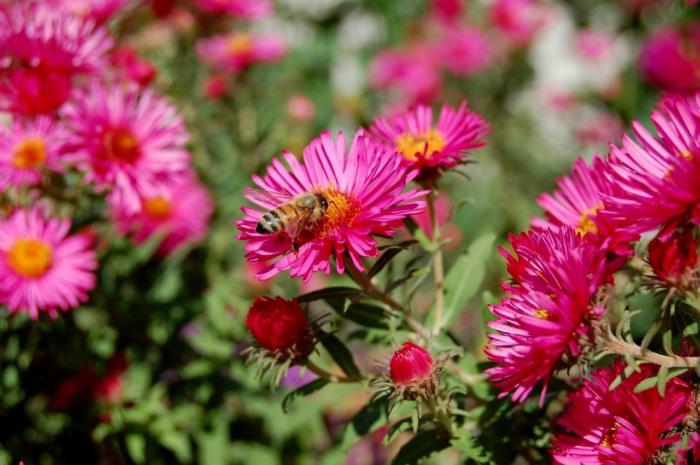
Pollinators are attracted to the flowers’ sweet nectar, for carbohydrates, and to pollen for proteins and lipids. Insects and other pollinators gather nectar and pollen from the flowers they visit. During this beneficial arrangement, called mutualism, they unintentionally transfer pollen grains from one flower to the next.


The Fruits of Pollination

Pollen (the male component) deposited onto a receptive stigma (female) in a flower belonging to the same species initiates the fruiting process. The half set of haploid chromosomes in ovules and sperm are recombined during fertilization. (This is not the kind of fertilization that involves nutrients). This restores the full diploid chromosome count. The ovary (fruit) grows and toughens, protecting the seeds until the fruits are harvested or the seeds dispersed.

Fruits, though, aren’t limited to the recognizable apples, peaches, and pears on a grocery store shelf. Botanically, a fruit is any seed- or spore-bearing structure in flowering plants and other organisms. This includes wheat, a kernel of corn, a plump blueberry, a sweet cherry, or an heirloom tomato. Even fungi, including mushrooms, have “fruiting bodies”.

Animals attracted to these nutritious fruits aid in seed dispersal, although in many cases, the seeds themselves are consumed and digested.

And there are some anomalies in Mother Nature’s kingdom that permit us to call strawberries “fruits” or “berries”, although they are neither! The luscious little strawberry is the swollen receptacle, the part that connects the flower to the stem. The actual fruits, or achenes, are those little brown things on the outside. And there’s a seed inside each achene.

No pollination means no fruit in up to 80% of our edible crops!


Honey Bees


honeycomb, bees--pollinators

A honeycomb.


Western honey bees (Apis mellifera) are not native to the Americas. They originated in Africa and migrated to Indonesia, Europe, and Asia. The early colonists brought them here, where they proliferated throughout the frontier, preceding the settlers’ expansion into new territory. Before this species was imported, thousands of other types of insects and animals pollinated flowers. And they still do!

As the nation’s population grew, more crops entered cultivation. Agriculture became even more dependent upon these easily domesticated pollinators.


almonds

Almonds.


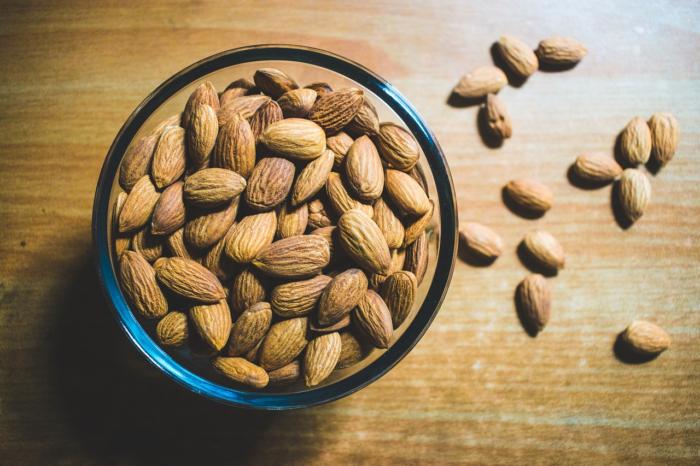
California’s almond harvest relies entirely on bee activity for nut production. In fact, beekeepers ship 75% of the country’s “beehives for hire” to flowering almond orchards to ensure a good crop.

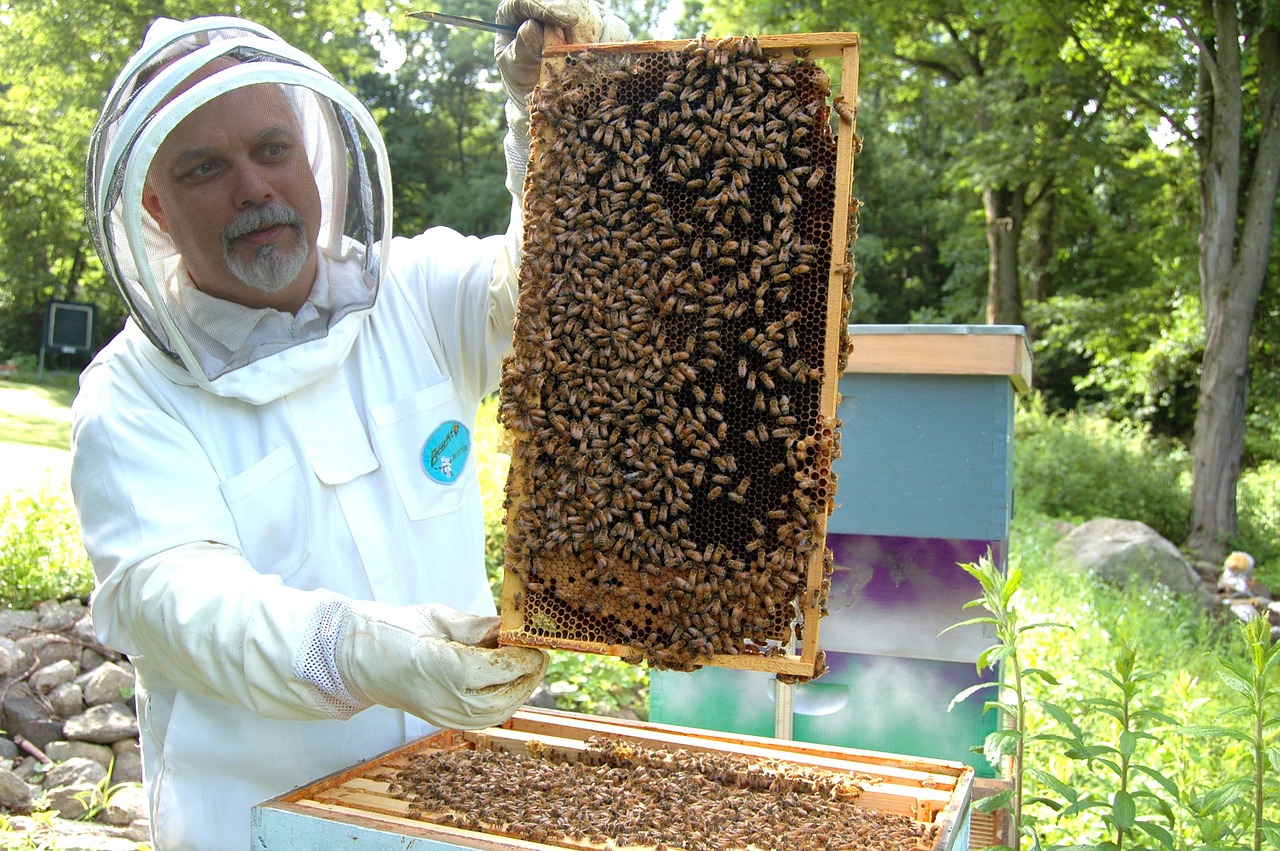
Of the many thousands of bee species found worldwide, the honey bee is the only one that makes significant quantities of honey. Forager bees returning to the hive with nectar give this bounty to the processor bees. Processors pass the nectar among themselves, helping to lower the water content. Then they deposit the liquid into cells and fan it with their wings to concentrate the honey. After that, they cap the cells with wax to seal the compartment.

Forager bees mix their saliva with the pollen they collected, which the processors place in the cells. Once they’re capped, the mixture begins fermenting, resulting in a substance called bee bread. Both types of cells, with pollen and nectar, also contain enzymes from the bees. Nurse bees feed this bee bread to all larvae, and the colony can access it for sustenance during winter. Enriched bee bread, called royal jelly, is reserved for queen larvae. Not all the honey is harvested by beekeepers; most is kept in the hives.


Why All the Fuss About Pollinators?

A syndrome known as Colony Collapse Disorder has raised the alarm to protect the honey bees. It is not precisely known what prevents most of the bees from returning to the hives. However, it is known that the queen, the larvae, and the honey have been abandoned. Without help from the drones and worker bees, the colony fails.

This is not a new phenomenon, though. Farmers a hundred years ago reported losing up to 90% of their bees to this “disappearing disease”.

CCD was named around 2006, when sudden losses affected increasingly larger proportions of total hive counts. By then, some honey bee operations had lost 50 to 90% of their hives. For the next 8 years, farmers reported hive losses averaging 33% per year.


Current Research

Research has pointed to several possible explanations, although combinations of factors are probably in play. In 2013, the U.S. Department of Agriculture and the Environmental Protection Agency joined forces to monitor CCD.

Various avenues of research are being pursued involving mites, fungi, loss of habitat, and lack of genetic diversity. Additional issues include chemical contamination of food sources and agricultural pesticides, notably the controversial neonicotinoids and fungicides. The Varroa mite and phorid flies are being researched for diseases that they could be vectoring into the hives.

Another question centers on pollen’s nutritional content from our crops, which might be weakening immunity.

In 2006, the honey bee’s genetic code was sequenced, opening up molecular approaches to treating CCD. Continuing research projects, through surveys, samples, and mitigation techniques overseen by the USDA, are getting closer to solutions. Unfortunately, there are no definitive answers for now.

Courses of action currently being followed include using antibiotics, fumigants, and genetic stock showing immunity to disease.


bee on pink aster flower, pollinators

Honey bee on aster.


So, What Can We Do About It?


To Spray Or Not to Spray

We can manage our properties in ways that are less harmful to the bees’ health. First, consider whether or not we really need to spray every insect that shows up in our landscape. No, of course we don’t!

Maybe you’ve been using a certain product for the last 30 years because it has delivered a 100% kill rate. Overkill? Okay, then, now might be a good time to reassess the need for it. By the way, most municipal recycling stations take old or unwanted containers of chemicals. Please don’t throw them in the trash or pour them down the drain or in the yard!

Make some changes today that help restore ecological health and predator/prey balance to your landscape.

If there are only a few pests damaging your plants, hand-pick them. Cutting them in half or squashing them is more humane than salting them or dropping them in a bucket of soapy water. Never use salt in the garden. A strong spray of water from the hose will wash away most of the aphids.

It’s unrealistic to be entirely free of insect life. And no one wants to live in that world.


Try Using These

In my gardens, I rarely use anything stronger than horticultural oil, organic Sluggo, or Bt. All of them are available in garden centers. See if you can tolerate less than perfect foliage or fruit in return for a cleaner environment. As I grow older, imperfection becomes increasingly acceptable.

Investigate some of the organic options, which are gaining favor throughout the gardening world. The products I mentioned are available from some manufacturers that have been licensed to print the “OMRI” logo (Organic Materials Review Institute) on their labels. Some companies choose not to pay the licensing fee, but their products are equally effective.

Most importantly, don’t spray plants when pollinators are actively visiting them. The products mentioned above do not harm honey bees if used according to label instructions. Follow them carefully, paying special attention to dilution rates and time of application. In general, spraying in the evening—after bees have returned to their hives—is less harmful to bees.

Bt

Bt (Bacillus thuringiensis) is a naturally occurring bacterium that paralyzes the digestive system of moth and butterfly larvae by changing the pH in their gut. After ingesting some of the Bt, the caterpillar stops feeding and dies within a day or two. It is more effective on younger caterpillars.

kale with caterpillar holes

Dinosaur kale with caterpillar holes.

I use it on the brassicas (broccoli, kale, etc.) to prevent utter devastation by caterpillars. Not using it at all means more than just a few holes in the leaves. The leaves disappear!

Bt works on gypsy moths, canker worms, cabbage worms, cutworms, squash vine borers, tent caterpillars, and the “very hungry caterpillar” known as the tobacco hornworm, among others.

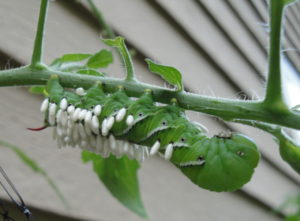
The tomato hornworm looks similar to the tobacco hornworm (photo, below), except it has V-shaped markings and a black “horn” instead of a red one. But, again, if you see entire tomato stems denuded of their leaves, look for that hornworm first before filling the sprayer. There might be only one or two on a large plant. (Tip: if you see their poop pellets, look above them.)

Different strains of Bt also control fungus gnats, potato beetles, mosquitoes, and nematodes.


tobacco hornworm

Tobacco hornworm with parasitic wasp pupae.


Braconid Wasps

This species of Braconid wasp, Cotesia congregata, will kill or severely weaken the tobacco hornworm (photo, above). First, a female wasp lays eggs on or in the caterpillar. After hatching, the wasp larvae feed on the caterpillar’s internal tissues, and then pupate in the white cocoons.

Although it looks menacing, there’s really no need to spray this one. Simply remove the weakened caterpillar to the shrubs. The adult wasps will emerge, and then a bird or a lizard might finish off the caterpillar. The adult form of the hornworm is a type of hawk moth.

There are thousands of species of braconid wasps, each one targeting a specific pest.


Headings

Page 1: What’s All the Buzz About Pollinators? (The Fruits of Pollination), Honey Bees (Why All the Fuss About Pollinators?, Current Research), and So, What Can We Do About It? (To Spray Or Not To Spray, Try Using These, Bt, Braconid Wasps)

Page 2: Planting for Pollinators (For Bees, For Butterflies and Moths, For Hummingbirds), Pollinators In the Landscape (Plant Selection, Host Plants and Nectar Plants, The Importance of Native Plants for Pollinators, Water and Minerals, Shelter), Attracting Pollinators to Your Garden, and National Pollinator Week

Return to the top