Tag Archive | variety selection

Prepare Now for Cool Season Gardening

Updated 4/12/2026


Today, In the Garden


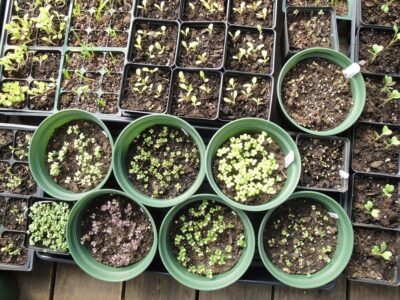
leaf lettuce seedlings


My gardening year never ends, transitioning without a hiccup from one season to the next. One crop finishes up, and a new one takes its place in any of several garden spaces on my property. That’s one advantage of living where winters normally are moderate, here in the Piedmont of North Carolina (USDA zone 7b). In this article, I’ll describe how to get the most out of your summer garden, and I’ll offer many tips on growing greens into the colder seasons.

Although an occasional cold blast might drop nighttime temperatures into the single digits F, those extremes don’t happen every year. Cool season gardening still can be a very satisfying project…and might be a bit of a learning curve for new gardeners.

While some gardeners lament the end of the growing season, I welcome autumn as the beginning of new crops of edibles. Pleasant fall weather and clear blue skies make outdoor activity an absolute joy as cool season gardens become established. As a bonus, these are the months without weeds and insect pests, or fewer of them.


Dealing with Frost
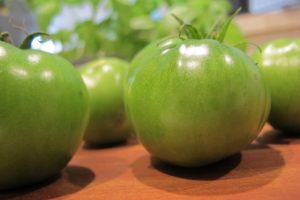


green tomatoes on the kitchen counter

These green tomatoes will ripen on the kitchen counter.


Weather is a constant consideration for us gardeners. Ordinarily, the first autumn frost arrives here around the third week in October. But it can occur weeks before that or weeks later, in November. With warm days and moderately cool nights, the last of the tomatoes and peppers ripen in the gardens.

Sometimes, one or two more weeks of mild temperatures follow the first fall frost. That’s a good reason for not removing summer vegetables right away, assuming they survived the first chill and retain some younger fruits. Covering the plants protects them from cold nights, as described in the next section.

Right before an expected frost, I pick green tomatoes that are mature or almost mature in size. They’ll ripen indoors, in bright light and average indoor temperatures. Any fruits remaining on the vine not protected by a canopy of foliage will be damaged by the chill. Cucumbers, peppers, zucchini, and other tender crops also should be harvested before the first frost.

Consume cracked, bruised, or blemished vegetables first since they deteriorate quickly. In some years, the last tomato is eaten weeks after New Year’s Day. High humidity in my home—from two fish tanks and plants everywhere—helps keep the tomatoes in good condition.


Covering Crops with Plastic or Old Sheets
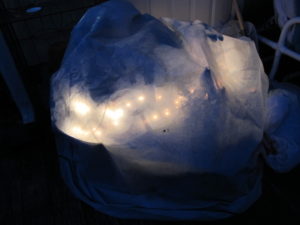
 

mini lights under plastic cover

Clear plastic and mini incandescent Christmas lights.


Few of us want to see garden production come to an end, especially with younger fruits still clinging to the stems. In the meantime, though, we can do a few things to maintain slightly warmer conditions while those last fruits ripen. And consider cool season gardening, after the tomatoes are removed, which opens up a whole world of possibilities!

Covering the plants with large sheets of plastic, a tarp, or old sheets at night holds in the warmth. Some gardeners use heat cables or strings of incandescent miniature Christmas lights to provide a bit of warmth at night. The goal is not to create a tropical atmosphere, but rather to increase the temperature several degrees to prevent frost damage and to help ripen the last fruits. (Photo, above: plastic film, an old towel, and lights prevent cold from reaching these potted vegetables in Charlotte NC, several years ago.)

Avoid letting the plastic covering touch the plants. At night, the cold transfers directly to the leaves and can damage or freeze them. Prop the coverings on taller stakes or place a layer of cloth (an old cotton sheet or light blanket) between the plastic and the plants. You could go a step further and place large containers of hot water near but not touching the plants. Weigh down the sides of the covering to confine the warmth and to prevent the whole thing from blowing away in the wind.

For all plants protected from frost, remove the coverings when morning sunlight warms the area. Heat builds up very quickly under clear plastic, roasting the plants.

Next spring, I might use a large tarp and hot water bottles under the small peach tree. In April 2025, we had an unexpected freeze, which ruined several dozen peaches that had grown 1/2″ long. They would have been the tree’s first harvest. The forecast predicted 35-37°F at night, but only one fruit survived the 27° night.

(***Update***: Happened again! A few April nights predicted to fall below freezing prompted me to affix some old sheets and a tent canopy to the lower part of the peach tree. The tree was just too large to protect all the fruits. No tiny peaches survived in the top half of the tree, but about 20 fruits that were protected will continue to grow. Fingers crossed. 4/12/2026)

On cold, overcast days in autumn, the protection can remain in place during the daytime if any summer crops are worth saving at that point. A wide footprint provides an opportunity to warm a larger area of ground, which releases that warmth to the plants at night. But don’t expect a significant turnaround in the summer vegetables’ vigor. Vent the covering if the space overheats in the daytime.

Keep those materials handy, as they might be needed to protect cool season gardens as the temperature plummets. While many consider these procedures going too far, let me remind you that only fairly flavorless store-bought tomatoes will be available after this point, if you choose to buy them at all. No thanks; I can wait until next year’s new crop. Each ripe tomato in autumn is treasure.


Potted Plants for Growing Indoors
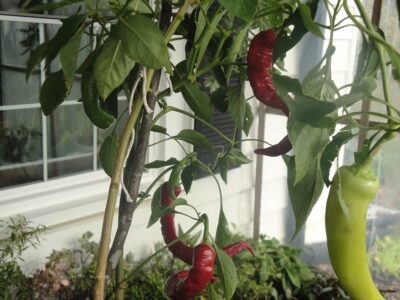
 

pepper 'jimmy nardello' overwintered in enclosed porch

Heirloom ‘Jimmy Nardello’ pepper.


Because they’re tender perennials, peppers can be potted for indoor growing. (A “tender perennial” can live two years or more, but it can’t tolerate frost.) Keeping a few pepper plants potted through the summer makes the transition to the indoors easier than digging plants at the last minute. To increase your odds of success when digging up plants, remove more than half of a large plant. Choose small to medium sized pepper plants, if you can, for keeping indoors over the winter. You’ll need to hand-pollinate the flowers to set fruits, and scout daily for aphids. Peppers need 6+ hours of direct sunlight to survive.

Potted herbs can grow indoors in a sunny window. Divide a clump of chives growing in the garden, take a small division of thyme, and prepare a pot of parsley a few weeks before frost. Or you can start seeds of your favorite herbs in mid to late summer, and keep some of them potted.
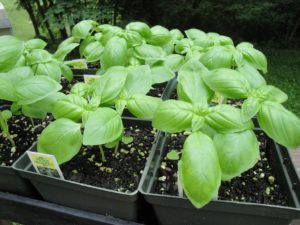
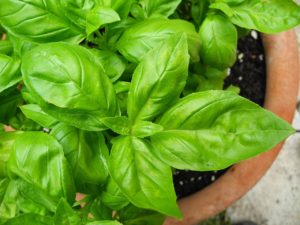
potted basil

Basil ‘Genovese Compact’, ready for the farmers’ market.

At the farmers’ market, you might find a vendor who sells potted herbs in late summer or early autumn for indoor growing, as I do. For basil, starting with young basil plants ensures they will last all winter, if growing conditions favor growth. An older basil by late summer wants to flower, becoming “woody” and tired. Because it’s an annual, it won’t last much longer in good condition. (Annuals grow for one season, starting from seed, growing and maturing, flowering and setting seed, and then dying.) So, either start seeds or purchase young plants in late summer. Basil must be protected from chilly temperatures, so start moving healthy plants indoors before nighttime temperatures drop below 55°F.

Tropical houseplants also need to come indoors as temperatures decrease. Pothos, philodendron, alocasia, aglaonema, African violet, orchids, and spathiphyllum are among those that are very sensitive to cool temperatures. They’re the first species to come indoors, at 60°, after inspecting them for insects, slugs, and spider mites. Before temperatures drop below 50°, return ficus, palm, dracaena, schefflera, aralia, and other tropical plants indoors.

Houseplants that benefit from cool temperatures include cyclamen, Christmas cactus and other orchid cacti, many other succulents, and English ivy. Some develop new flower buds after being exposed to a few weeks of cool temperatures, in the high 40’s and 50’s. But they and all remaining tender houseplants should come indoors before they’re damaged by frost.


Shopping Your Local Farmers’ Market


I’ve been selling herbs, cool season greens, and vegetables—as transplants—at our county farmers’ markets since 2022. Lots of these vegetables are planted in my own gardens for cool season harvests, with some freshly cut produce sold at the markets.

A weekly visit to your local farmers’ market demonstrates what can be grown in your region at that time. Ask the grower if her produce was grown in the open or in a protected space, such as a greenhouse.

Try some new greens and vegetables to broaden your family’s exposure to different foods. This is a good way to determine which varieties of edibles you like and might try growing in your own garden. Most vendors are happy to spend a minute or two answering your questions about variety selection. And they might offer tips for successful growing and kitchen preparation.

Growers offer a wide variety of vegetables, herbs, greens, and fruits at busy farmers’ markets. You might see greens or varieties of basil not sold in grocery stores or garden centers. And you can’t beat the freshness of the produce—unless you grow it yourself, of course.

The number of choices offered by seed suppliers is phenomenal! Each year presents opportunities to sample new cultivars. Favorites will be reordered for my horticultural business and others that did not live up to the hype won’t be purchased again.

Consuming freshly picked greens and vegetables gives you the full complement of nutrients. Vitamin and phytonutrient content begins to decline within 1-2 days after harvesting, so picking veggies from your own garden (or purchasing them from the farmers’ market) and using them the same day delivers the most nutrients. Their flavor, naturally, is superb.


Supporting Your Local Economy

My small company, Wellspring Gardens, has participated in farmers’ markets and garden shows for decades in Maryland, around Washington, D.C., and now in northwestern North Carolina. I love the concept of supporting our local economy. Growers, artists, and crafters offer unique home-grown and hand-crafted items; these are our friends, neighbors, and fellow townsfolk!

A few vendors, through grit and determination, have realized their dream and succeeded in marketing their products throughout the country. Joe’s hot sauce and a popular coffee company both got their start at the local farmers’ markets in Montgomery County MD, where I lived before moving to Charlotte in 2013. (I moved here, to Wilkes County NC, in 2021.)

Farming has become a particularly difficult endeavor in recent decades, with hundreds of thousands of farms across America shutting down. Local growers getting retail prices for their crops at farmers’ markets, however, might eliminate the agonizing decision to sell valuable farmland for development. Small-scale farms can adopt organic and sustainable methods that would not be feasible for large corporate farming. As a result, supporting your local farmers’ markets keeps farmland producing nutritious crops on well-tended land.

As mentioned earlier, you’ll find a huge assortment of plants and produce to try. When I suggest certain cultivars for customers to grow in their home gardens, it’s especially rewarding to see them come back the next year, asking for those same cultivars.

I encourage year-round gardening, when allowed by a favorable climate. But, there are ways of getting around frigid temperatures! If this is your first attempt at cool season gardening, read through all the related posts and links here at The Farm In My Yard. In the search bar, enter the particular crops that interest you, or check the tag cloud.

For crops grown at this time of the year, continue to Page 2.


Headings

Page 1: Today, In the Garden (Dealing with Frost, Covering Crops with Plastic or Old Sheets, Potted Plants for Growing Indoors), Shopping Your Local Farmers’ Market (Supporting Your Local Economy)

Page 2: What can we grow in a cool season garden? (Herbs and Vegetables, Herbs That Tolerate Cool to Cold Weather, Basil, Cool Season Gardening in the Enclosed Porch, More Herbs, Succulents and Young Tomatoes, The Brassicas for Cool Season Gardening, Broccoli, Variety or Cultivar?, Green Onions and Bunching Onions, For Sustainable Bunching Onions, Spinach)

Page 3: More Greens for Cool Season Gardening (The Lettuces, My Lettuce Favorites, Swiss Chard, What else can we expect from cool season gardening?, Soil Prep, Caterpillars and Aphids), Structures for Cool Season Gardening (The Greenhouse), A Note About Brassicas and Their Antioxidants
 

Return to the top

Sowing Seeds For Early Crops

2024

Updated 1/2/2026


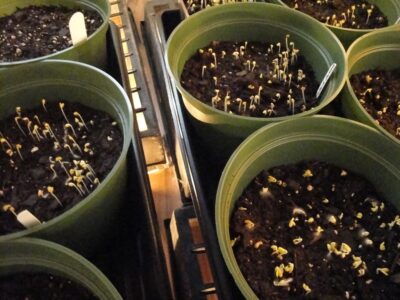
A few days after sowing brassica seeds.

Brassicas germinated 3 days after sowing seeds in these round 6″ pots.


Sowing Seeds For The First Crops: Too Early?


We’re getting close to my favorite part of the year—warming temperatures… birds singing their special songs… starting seeds for the garden. New crops of brassicas, including arugula, broccoli, cabbage, and kale, top the list. I also grow lettuce, spinach, and other cool season greens. In this article, I’ll describe a step-by-step process for sowing seeds you can do right now, well before frost has left the area. Tomatoes, peppers, basil, and other warm season crops must wait several more weeks.

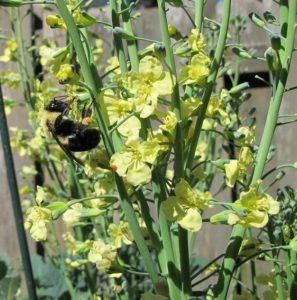
bumble bee on flowering broccoli

Bumble bee on ‘Arcadia’ broccoli in spring.

Some varieties of leafy greens are productive from early autumn through spring here in USDA zone 7b, in the Piedmont of North Carolina. Some of last fall’s crops flower in late winter or spring (photo, right), and are then replaced with young transplants. With cooperative weather, cool season crops offer a fantastic return on investment!

Starting in late winter, I’ll sell transplants at the Surry County NC farmers’ markets and plant them into my own gardens. In preparation for the season, though, growers have nurtured their plants for 4-8 weeks before they’re offered for sale.

It’s important to plant young plants; heading crops, such as broccoli, cabbage, and cauliflower, confined in cell packs only 1 or 2 weeks too long will not properly head up. So, it’s important to start sowing seeds and to plant the seedlings at the proper time—not too early and not too late.


When, Exactly?

If the trend in weather forecasts is favorable, I begin sowing seeds for cool season greens some time in January for planting out as early as mid to late February. That’s about 2 months before frosts are over for the season, and I do tend to tempt fate. A quick cover-up with old sheets often saves an early crop from unexpectedly cold weather. If the plants fail, I’ll start more seeds.

When winter weather runs colder than normal, I’ll delay sowing seeds for a week or two, or maybe a month. Long periods of cold, overcast, and rainy or snowy weather prevent the soil from warming up to that critical point that’s suitable for cool season greens.

Gardeners living in colder climates should adjust their gardening calendar accordingly. Yes, at this time, it might be too early for some. Most leafy greens prefer chilly weather, although many do quite well in summer as well. If they fail in the heat of high summer here, they might succeed in northern gardens (northern hemisphere) at that time. With careful variety selection and placement (light shade during the hottest hours of the day), we can stretch the harvest season for these healthy greens.


Summer Broccoli?

***Update***: This section added 12/11/2024.

The summer of 2024 tormented us with extremely high temperatures (over 100°F heat index) for many days at a time, coupled with periods of prolonged drought. The broccoli I planted in early March yielded well, but I left the plants in the garden after their main season had passed. The summer tomatoes cast dappled shade on these normally cool-loving ‘Green Magic’ broccoli plants. I cut off large broccoli leaves for the purpose of shading the tomato flower clusters and ripening fruits, preventing pollen death and sun scald in the tomatoes.

Over the hot summer, I picked small side shoots from the broccoli plants (that was unexpected). When temperatures began dropping in late summer, the broccoli yielded many more and larger side shoots! So, that year, it was worth keeping them in the garden. With partial sun, great soil, regular watering, and a thick mulch of oak leaves, they surprised me with their abundant offerings. I will do this again!

I’ve been growing miniature broccoli ‘Happy Rich’ for many years (a new crop each year, that is; photo, below). Planted where it gets light shade from the oak trees from noon to 3:00 or 4:00 p.m. on the hottest days of summer, ‘Happy Rich’ could survive to begin new growth in late summer. And it often sails right through the winter months, providing cut stems, heads, and leaves for the kitchen. In winter, the oaks are leafless, allowing more sun to reach the mini broccoli. This plant needs generous portions of aged cow manure, moist soil with a pH near neutral (7.0), and a thick layer of oak leaves to moderate soil temperature.


“How do I use these greens?”

Although I’m not a vegetarian, cool season greens are the foundation of my diet. I can’t tell you how satisfying it is to pick fresh greens for salads, sauces, veggie omelets, soups, sandwiches, and stir-fries in winter. Use them as a side dish, on pizza, with pasta, and in smoothies. Add them to lasagna, eggplant parmigiana, shrimp scampi, and even store bought canned soup! Adding them to anything you’re already preparing is a great way to get more of their densely concentrated nutrients.

Cool season greens are versatile in the kitchen but curiously underrepresented in our gardens. Considering the fact that many contain the highest levels of vitamins, minerals, fiber, and beneficial antioxidants among edible foods, it’s a wonder more gardeners aren’t growing them.
Growing your own produce from seed saves money during times of high inflation. But there are other reasons why I grow gardens year-round. You can harvest what you need for the day, so nothing goes to waste. Most crops can be grown cleanly—without pesticides—before the insects move in for the summer. Fresh greens consumed the day they’re harvested have considerably more nutrients than produce that has been sitting around for a few days. Furthermore, there are thousands of varieties to choose from that never appear in garden centers or grocery stores!

Maybe you’d enjoy experimenting with new varieties each year, as I do. Some have become my favorite foods, so they’re planted in my gardens each year. Among cool season greens, my favorites include miniature broccoli ‘Happy Rich’, gai lan, collards, ‘Nabechan’ bunching onions, Johnny’s Allstar Gourmet Lettuce mix, arugula ‘Astro’, ‘Arcadia’ broccoli, dinosaur and ‘Red Russian’ kale, spinach, and ‘Sugar Snap’ and ‘Oregon Giant’ peas.

Why brassicas are my favorite vegetables…

The brassicas—members of the Brassicaceae family, formerly Cruciferae—include arugula, broccoli, Brussels sprouts, cabbage, cauliflower, collards, gai lan, kale, mustard greens, pac choi, tatsoi, and some others. They’re particularly nutrient-dense, and this family of plants is the only one with measurable amounts of sulforaphanes. Sulforaphanes are powerful antioxidants that help prevent cancer, type 2 diabetes, cardiovascular disease, and inflammatory illnesses. They also help maintain eyesight, brain function, and healthy skin.
An enzyme, called myrosinase, is activated when brassica tissues are cut or bruised. This enzyme transforms sulforaphane precursors into the sulforaphanes themselves. But heat destroys this enzyme, so cooking the greens right after cutting them will give you no sulforaphanes. However, chopping the greens and letting them sit on the counter for 40 minutes before cooking them gives the enzyme enough time to develop these valuable antioxidants. If you can’t wait that long, eat some of the greens raw to introduce myrosinase into your system.

Because of our family history of dealing with a few chronic illnesses, I eat at least one of the brassicas every day.


mini broccoli Happy Rich'

Miniature broccoli ‘Happy Rich’ in the spring garden.


Preparing To Sow Seeds


9-cell market pack with pepper seeds

Pepper seeds sown in a 9-cell market pack.


It’s helpful to read this entire article before proceeding so you can gather materials and plan your setup. The next sections will present the sequence of steps, and Page 2 has all the details.

For starters, you will need:

  • supplies (cell packs or pots, flats, labels, seedling soil or fresh fine-grained potting soil, seeds, vegetable fertilizer)
  • warmth to start the seeds
  • a waterproof surface
  • adequate light to keep seedlings healthy and strong
  • detailed records for future reference

Perhaps you’ve chosen lettuce, arugula, and ‘Black Magic’ kale seeds for your first project. You’ll need clean cell packs or pots, fresh seedling mix, and at least one flat to keep them in. You might already have used pots and flats lying around somewhere. Disinfect them first with a 10% bleach solution to kill pathogens, or at least clean them very well.

Instead of trashing the failing window blinds, I cut the plastic slats, which make decent plant labels. You can also use a plastic milk jug or buy labels at a garden center or online. Sharpie pens write smoothly, but the ink eventually fades in bright sun. Placing the label below ground or on the shady side of the plant keeps it legible for a while longer. A journal or notes on a computer are recommended for keeping records. (***Update***: Sharpie now offers markers with UV-resistant ink; look for “Extreme Fade Resistant” on the label. 6/30/2025)

I recently bought a few inexpensive heavy gauge flats from a big box store. Made by Ferry-Morse, they have no holes in the bottom and measure 10 x 20½” (inside diameter). They’ve proven their usefulness for holding pots of germinating seeds, so I’ll go back for several more. You can find similar trays from horticultural supply companies (in the “Microgreens” section) or from Amazon. Our local Walmart Supercenter stocks large black plastic trays meant for muddy boots, buy they’ll also work for the seedlings.


Temperature For Sowing Seeds

Successful germination depends on a source of warmth if your home is on the cool side, as mine is. Although lettuce and spinach can sprout at 40-50° F, they germinate erratically or not at all above 75-80°. Other greens will get off to a better start when the soil temperature is in the 70’s and 80’s. After germination, these seedlings need cooler temperatures.

What are the options? Heat mats are available. One that measures 21 x 21″ consumes 45 watts of electricity and costs about $40-60. Larger commercial sizes, for 8-10 flats, cost over $125. (***Update***: I just received heat mats from Amazon at a much lower sale price. They worked too well, so I propped seed flats on top of inverted webbed flats to prevent overheating the soil. 6/30/2025)

Maybe the top of the water heater provides suitable temperatures for starting a few pots of seeds. You might need to moderate the heat by raising the pots above the warm surface. Check them daily!

Miniature Incandescent Christmas Lights


mini lights under flats of seedlings

These brassica seeds germinated overnight, above the mini lights.


For many years, I’ve used indoor/outdoor miniature incandescent Christmas lights for warmth—not light—under the seeded flats. One 100-bulb string of lights (approximately 40 watts) on the hard floor of the spare bedroom and covered with 6 upside-down mesh flats (photo, above) works for me. Their gentle warmth is distributed over a large area, so I can start many flats of seeded pots at one time.

Be careful not to crush any bulbs, as this can cause remaining bulbs to burn hotter or to go out entirely. Don’t use higher wattage bulbs. Safety first! Incandescent lights are becoming harder to find, so check with online sources. I bought several from a big box hardware store’s website, although the retail store didn’t have any for sale.

You might want to test this layout before proceeding. Perhaps you have a folding table or counter space in the utility room that could serve this purpose.

When that greenhouse kit gets built, I’ll probably start seeds out there. Indoor space is very limited, and plants fill every bright window. I need to work on a more efficient infrastructure for sowing seeds and transitioning them to outdoor growing.


Preparing Pots For Sowing Seeds


sowing seeds in pots

A flat of seeds over mini lights, with plastic to hold the warmth until seeds germinate.


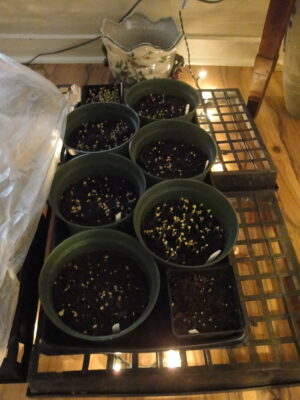
Each year, I start over 200 varieties of plants for the farmers’ markets, so many of the flats are shifted around almost daily. After the first round of seedlings has been transplanted, I start another. Some varieties need more time to sprout, while others, such as arugula, germinate in just 2 days.

A sheet of clear plastic over the flats holds in humidity and warmth from the mini lights. Labels identifying each variety hold the plastic above the soil. For good air circulation and to let condensation evaporate, keep the plastic open on the edges.


Light For Germinating Seeds


sun and clouds


Your seedlings must receive direct sunlight or strong artificial light as soon as they emerge from the soil. One or two days in inadequate light causes the seedlings to weaken as they stretch toward the light, so don’t delay getting them into the sun.

From horticultural supply companies, you can find ready-to-assemble light stands with shelves and LED fixtures. There’s one with 3 shelves, six 4′ LED tubes, and an attractive powder-coated aluminum frame that costs $1,000+. Smaller units for 1-3 flats are more affordable at $100-400. They might give off enough warmth to satisfy the need for warm soil. One advantage in using this setup is that the light fixture above each shelf sustains transplanted seedlings for 2-4 weeks as long as the temperature is at acceptable levels. Cool season greens do best with a drop in temperature (below 60-65°) after germination.

You won’t need advanced carpentry skills to put something together yourself. One or two 4′ long shop lights each fitted with 2 “daylight” (full spectrum LED or fluorescent) tubes cost $30-70. Use 2 x 4’s for the supporting framework or suspend the fixture under a table or a shelf. Chains and S-hooks raise or lower the fixture, or simply elevate the seed trays to get them closer to the light.


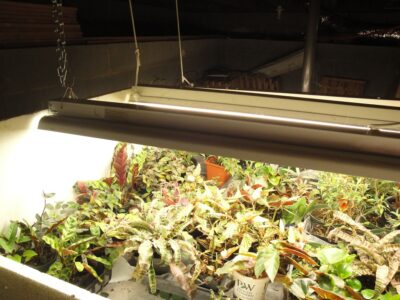
artificial light and plants


In My Basement

In the basement and over two 6′ tables, I nailed chains and rope to the floor joists and positioned the lights as needed (photo, above). I’ve used these fixtures for decades—moved from house to house—to start seeds and root cuttings, rehabilitate plants, and grow delicate species and stock plants.

Plants that need strong light (vegetables, herbs, succulents) grow only 3-4″ below the tubes. One foot below the tubes, however, is too far away, except for most tropical houseplants. Light intensity drops precipitously with each inch of distance from the light source. Running the fixtures for 16-18 hours per day should supply enough energy for the plants to grow normally.

Seedlings won’t mind 24/7 lighting over the short term. Not turning the lights on and off every day adds to their longevity.

I prefer to start seeds without relying on electricity, using just the sun. But, at times, starting seeds under these light fixtures is convenient, particularly when they can grow there for a week or two before I’m able to transplant them.


Natural Sunlight And Temperature


sowing seeds, small transplanted seedlings

Seedlings and fresh transplants enjoy the protected space on the enclosed porch.


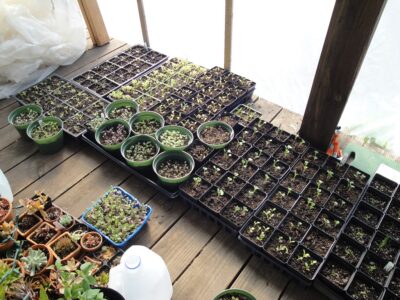
Newly transplanted seedlings go out to the sunny enclosed porch (photo, above), which faces south. I usually keep them there, in sun that’s lightly filtered by the plastic enclosure, for their first 1-2 days. On an overcast, calm day, new transplants can go outside to the open air if the temperature is above 50°. When the wind’s blowing, though, I keep the flats on the porch and vent the plastic to admit cool air. The enclosed porch—when the plastic “door” is closed—heats up to 90° or higher on a sunny winter day.

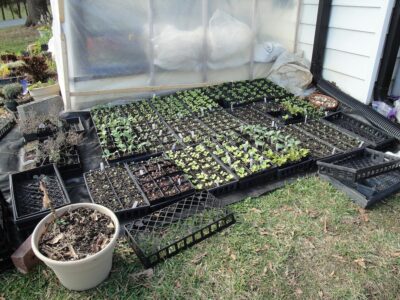
For a few nights when the porch was too cold for young plants, I brought them back indoors. Now, at the end of February, dozens of flats stay outside on black woven ground cover (a durable polypropylene fabric; photo, below), hugging the wall of the porch. That’s on the south/southeast side of my house, a warm microclimate. There’s less wind here and nighttime temperatures stay a few degrees above areas farther from the house.

Success depends on temperature, so I check expected hourly temperatures daily and the forecast for the coming week. I cover the flats with plastic or an old sheet when they need a little protection. But, at this stage, they’re becoming more resilient to temperature fluctuations.

In the morning, I’ll remove the plastic and let them bask in the sunshine. Those little seedlings double in size in a week as roots fill the pots. Once they form a root ball that holds the soil together, these plants will be ready for the market. As these seedlings grow and are moved to the large holding pen, the next crop of young seedlings takes their place.


young brassica seedlings

Young brassica seedlings on SE side of porch.


How Low Can They Go?

Maturing seedlings of cool season greens tolerate temperatures in the high 20’s and 30’s. They’ll take temperatures lower than that when they’re a bit older and planted in the garden. Remember, this regimen applies to cool season greens and vegetables, not to main season crops (tomatoes, peppers, basil), which need a warm environment.

In this part of northern North Carolina, elevation 1200′, late February temperatures range from the middle to high 50’s in the daytime to the mid-30’s at night. Keep in mind that those are averages and that actual temperatures can vary considerably from the average.

As an experiment, I left 3 containers of newly transplanted ‘Freckles’ lettuce seedlings outside, exposed to 21-22° on 2 nights. They’re fine! Lettuce resists damage better than some of the other crops.

One Step At A Time

We don’t want to subject tender seedlings only a few days old to the rigors of outdoor conditions, especially wind and freezing temperatures. Indoor-grown seedlings that received less than adequate sunlight will need a more gradual transition. Some will thrive, while others—the spindly, weak ones—will look stressed or die.

When in doubt, proceed in incremental steps—gradually lowering the temperature and introducing seedlings to increasing sun and wind speeds. This is called hardening off. Assuming the weather cooperates, vegetable plants can be hardened off within one week.

Root systems grow quite fast in order to supply water to foliage and stems. Leaves adapt to prevailing outdoor conditions, growing a thicker cuticle. The cuticle is a protective waxy outer layer over the epidermis, designed to slow moisture loss from within the leaves.


Headings:

Page 1: Sowing Seeds For The First Crops: Too Early? (When, Exactly?, Summer Broccoli?, “How do I use these greens?”, Why brassicas are my favorite vegetables…), Preparing To Sow Seeds (Temperature For Sowing Seeds, Miniature Incandescent Christmas Lights, Preparing Pots For Sowing Seeds, Light For Germinating Seeds, In My Basement, Natural Sunlight And Temperature, How Low Can They Go?, One Step At A Time)

Page 2: Growing On To Transplant Size (Fertilizer), Sowing Seeds: The Process, Transplanting Into Larger Containers (The Process, Sowing Seeds and Transplanting In Multiples)

Return to the top of Page 1


Seedlings For Your Garden: 12 Tips


2022

Updated 5/21/2024


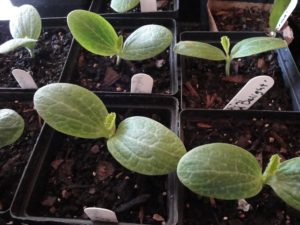
seedlings, zucchini


Starting Seedlings For Your Garden


Busy spring! This lengthy article focuses on starting and caring for seedlings and getting them established in the garden. If I’m not working on the seedlings, I’m working in the gardens, creating new beds and expanding those started last fall and winter. Winter weather was delightfully mild to allow planting right through the cold season. The weeds and I have come to an understanding, and in the next article, I’ll tell you how in “Patches for Pollinators”.

Foremost on the agenda has been starting plants to sell at our local Elkin Farmers’ Market. It’s been a challenge this year, keeping plants in good condition with high heat, heavy humidity, and frequent rainstorms. If I had a climate-controlled greenhouse, there might have been fewer losses. But, for the most part, my company, Wellspring Gardens, is producing more seedlings than I can sell at the market.

Some of that overproduction is destined for the vegetable gardens. It will yield small harvests of produce to sell at the market in addition to what’s needed in the kitchen. This is new territory for me, adding produce to the plants offered at the farmers’ market.

I might even consider canning, which I’ve never done…but let’s not get ahead of ourselves. That would be helpful, though, considering the rapidly rising prices at the grocery store. For that reason alone—the impact of rampant inflation on our wallets—it’s wise to learn how to grow at least a few vegetables.


sun's path

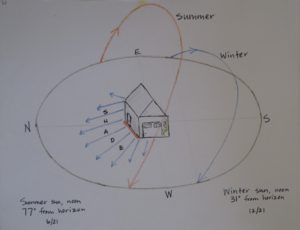
The sun’s path across the sky, Charlotte NC.


Watching how the sun tracks across the sky from month to month reveals good spots for the sun worshipers and areas where leafy greens should thrive in partial sun. This is my first summer in this house. The massive oak trees create shifting shade patterns that cause me to periodically rethink the plans.

So, let’s begin!


12 Tips For Starting Seeds


1. Start with clean materials for seedlings.


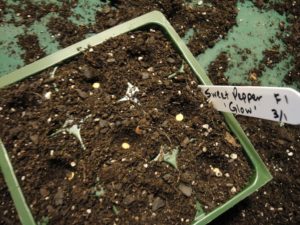
pepper 'Glow' seeds and cell pack

Sweet pepper ‘Glow’, started in 9-cell packs.


This calls for packaged seedling mix or fine-grained potting soil. Don’t use “dirt” from the garden, with its pathogens, insects, weed seeds, and worms that disrupt soil structure around tiny roots. In addition to the unknowns lurking in garden soil, its high clay content causes drainage issues in containers.

Potting soil that has a lot of coarse materials, such as pine fines (bits of pine bark), can be improved by sifting the soil. I use a clean plastic pot with small holes in the bottom. Fill the pot partway with the soil, and shake it vigorously up and down over the containers. Do the same thing when covering seeds.

Soil used previously for potted plants is not a good medium for your seedlings. It’s often depleted of nutrients, might contain pathogens, and the organic matter has partially decomposed. If it’s only one season old, it’s probably safe for transplanting potted annuals, when mixed with fresh potting soil, or incorporated into the backfill for that new sourwood tree. Or simply throw it under the shrubs or into the compost pile (never in the trash!).

Because seedlings are susceptible to soil-borne diseases, play it safe and start with pasteurized bagged seedling mix or potting soil. This, however, doesn’t guarantee a successful outcome, as many disease spores are air-borne. But we can increase the odds of success by using clean materials.

When reusing cell packs, pots, and flats for seeding, wash them in a 10% bleach solution, and rinse well before proceeding. Don’t smoke around plants, and wash hands thoroughly before working with them. Tobacco and other plants in the nightshade family (Solanaceae, including tomato, pepper, eggplant, and potato) can fall prey to the same disease organisms. Spores can transfer from tobacco products to your hands to the plants.


Pasteurizing Potting Soil

For bagged soil that’s questionable, you can pasteurize it in the oven. Don’t heat soil that contains timed release fertilizers. Use an oven-safe covered pot or baking dish, wet the soil, and heat the oven to 200°F. When the soil registers 140° on a meat thermometer, lower the oven temperature and maintain soil at that temperature for 30 minutes. This kills most pathogens. Wait for it to dry somewhat and to cool thoroughly before using. Various websites recommend different temperature levels from 140° to 300°. At the high end, however, beneficial microbes are killed off as well.

Let it cool down outdoors. Considering the pervasive “earthy” odor coming from hot soil, you might prefer buying a new bag of seedling mix or accept a small risk with the open bag in the garage.

Another method of pasteurizing (not sterilizing) soil is to place a heat-resistant container of soil in a black plastic bag. Place the bag in a sunny place outdoors on a warm day, and let the sun do the work for you. This is called solarization, and can raise the temperature inside the bag to 140-160°F. To prevent damage to the beneficial microbes, take the temperature, and maintain it at 140° for 30 minutes, opening the bag a bit to prevent overheating.

Most bagged potting soils and seedling mixes already have been heat-treated to eliminate pests. Close the bag securely and store in a cool dark place. The last and only time I pasteurized soil was nearly 50 years ago because that’s what the experts recommended.


2. Grow disease resistant varieties…


While fungicide and bactericide formulations—both organic and conventional—are available, I’d rather grow disease resistant varieties and not rely on spraying. Keep in mind that resistance is not 100% effective, particularly when plants are exposed to stressful weather or cultural conditions.

Certain varieties are more flavorful than others, but all well-grown fruits and vegetables from your own garden taste better than those purchased from grocery stores. Picked when vine-ripened perfect, anything coming from the garden will be superior to what’s found elsewhere except, perhaps, at farmers’ markets and farm stands. Freshly picked produce also has the highest nutrient content.

Digging in the garden is great exercise; proceed slowly at first. Working outside in nature feels good, and self-sufficiency is never amiss. A few steps from the back door gathering a green onion, spinach, dinosaur kale, and a little ripe sweet pepper for the veggie omelet is more rewarding than I can describe. You’ll see!

Those are just a few of the many benefits of growing our own vegetables. Using disease resistant varieties, if available, makes the job so much easier. Many new gardeners gave up after having suffered the disappointment of losing an entire crop to early blight or bacterial leaf spot. And we also have to deal with deer, rabbits, and insects!

Although this article concentrates primarily on edibles, flowering plants also have their own set of disease organisms. Again, look for resistant varieties, grow them in conditions that don’t favor infection, and look for remedies at the garden center.


…Especially Tomato Seedlings

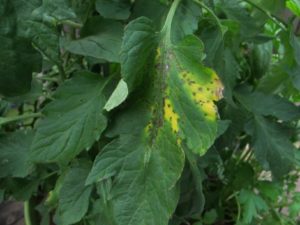
tomato disease septoria?

Disease beginning on ‘Rutgers’ tomato.

Tomatoes and peppers, two of the most popular crops for home vegetable gardens, are vulnerable to many diseases. They’re caused by fungal, bacterial, or viral pathogens. In some areas, nematodes also can be a problem. Usually, we can harvest some fruits before disease claims them, but resistant plants last longer in the garden. Plants infected with viruses should be removed and destroyed. For fungal and bacterial pathogens, products at garden centers will help. Always read the labels.

Tomato diseases include Alternaria stem canker, early blight, late blight (Phytophthora; very few varieties are resistant to this one), Fusarium wilt, grey leaf spot, leaf mold, tobacco mosaic virus, tomato mosaic virus, tomato spotted wilt virus, and Verticillium wilt. Catalog listings use initials to indicate disease resistance. For tomatoes, AS, EB, LB, F, GLS, LM, TMV, ToMV, TSWV, and V, respectively, represent those diseases.

Tomatoes are weedy plants and normally produce good crops, despite many organisms that target them. Peppers are susceptible to several races of bacterial leaf spot, and basil to basil downy mildew. Some zinnias are plagued by powdery mildew. Weather conditions, such as high humidity and frequent rain, exacerbate these disease problems.

Most hybrid (or “F1”) tomatoes have some resistance to one or more pathogens, but not to all of them. ‘Big Beef Plus’ is resistant to a wide variety of diseases. ‘Damsel’ and ‘Defiant PhR’ are resistant to late blight. Hybrid seeds carry a higher price than open pollinated varieties due to the cost of research that developed them and the extra steps needed to produce hybrid seeds each year.

It’s so hot out there!


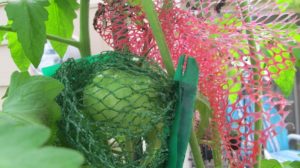
shading tomato flowers


If you live in a hot climate, look for tomato varieties that have been bred to produce better at high temperatures. The pollen in tomatoes and peppers, and others, can die at high temperatures. While these plants are comfortable at 65-80°F, pollen dies above 88°, 90°, or 92°, depending on the cultivar. No pollination = no fruits! A reference to “heat” or to the “south” in the plant’s variety name indicates its higher tolerance for heat.

Researchers are investigating thermo-tolerant genetics in wild tomato species (Solanum pimpinellifolium) and incorporating them in tomato breeding programs.

One trick to preserve viable pollen is lightly shading the plant in the hot afternoon hours. Attach shade fabric—a black woven mesh—to a support over and on the west side of the tomato or pepper plants. This provides a decrease of up to several degrees in hot climates or temporarily during a heat wave. In the photo, above, mesh bags from the grocery store protect fruits from squirrels and sun scald, and lightly shade new flowers and their pollen from high heat.

The young ‘Estiva’ tomato plants (“estiva” refers to summer), a hybrid bred for heat tolerance and great taste, lost most of their diseased bottom leaves in heavy rains, but those little fruits are still growing! I’ll plant them out this weekend, after the temperatures drop well below the 108° heat index value we have now. Recent weather has been in the record-breaking mid- to high 90’s F, with high humidity. Not my favorite conditions to dig in the garden…so I don’t.  I was not bred for heat tolerance!

***Update***: ‘Estiva’ tomatoes endured this hot summer and produced fruits past the first fall frosts. I covered them on chilly nights to ripen the last of the fruits. These were among the last tomatoes to succumb to the cold, in mid-November. Autumn 2022

A Few More Tomato Tips

Your best defense against tomato disease, in addition to growing disease resistant varieties, includes these tips:

  • Stake them. Tall indeterminate types need a 6-8′ tall stake, taller for some.
  • Space them farther apart, at least 3½-4′.
  • Thin the vines to 3 or 4 main stems by removing excess suckers.
  • Remove leaves on the bottom 12″ of the plants after they’ve become established.
  • Locate them where a breeze blows through the garden. These first 5 tips address increasing air circulation around and through the tomato plants.
  • Give them lots of direct sun—a minimum of 7 or 8 hours. The more sun they receive, the shorter the window of opportunity for pathogens to germinate on damp leaf surfaces.
  • Mulch the soil under the plants to prevent disease spores lying dormant in the soil from splashing onto and infecting the foliage. More on Page 4.
  • Water in the morning to early afternoon so all foliage is dry going into the night. Try to keep the foliage dry at all times and avoid handling wet foliage.
  • Water established plants heavily (1½”/week) when needed, but avoid giving little sips every day. Young seedlings need more frequent watering until their root systems expand.
  • Clip off leaves that show early symptoms (yellowing, spotting), and dip your pruners in alcohol when moving from plant to plant.
  • Don’t smoke near the garden, and wash hands thoroughly before working with plants.
  • Rotate your crops. Don’t plant a member of the Solanaceae family where any members have grown in the past 3-4 years. There’s more about crop rotation on Page 4.

All plants grown with good soil preparation, good air circulation, proper watering techniques, adequate sun, and appropriate fertilization are less stressed. Less stress equates to lower infection rates.

Growing Heirloom Seedlings


Heirloom tomatoes are always in demand because of their exceptionally good flavor. Heirlooms are open pollinated, which means gardeners can save seeds from fully ripened fruits each year for the next season’s garden. Because they’re not F1 hybrids but have been breeding true, for the most part, for many decades, heirlooms retain their traits from one generation to the next.

These varieties, however, don’t have much built-in disease resistance. Nevertheless, I’m growing a few heirlooms, and spacing them 4′ apart for improved air circulation. We’ll see what happens.

Commercially grown tomatoes must be able to survive long distance transportation and handling without damage. They’re picked early, when green or first showing color. Varieties of these tomatoes have skins that normally are tougher.

Heirloom tomatoes have more desirable thinner skins and, therefore, travel poorly. So, you won’t see them in grocery stores unless those stores buy from local farms. Heirloom tomatoes from the grocery store might cost $5.00/lb. or more! So, yes, it is worth growing a couple of heirloom tomato plants in our gardens.

A few prolonged and heavy rainy periods this spring almost wiped out certain tomato varieties, namely ‘Carmello’, ‘Brandywine’, and ‘German Johnson’. I still have a few that show less damage than others. ‘Black Krim’ and ‘Cherokee Purple’ are doing fairly well, although they are heirlooms. Most of the remaining plants will be set in the garden. There’s usually a breeze blowing through the property, and by spacing them appropriately, I should get plenty of fruits.


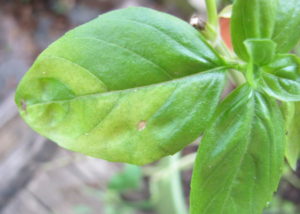
Basil Downy Mildew


basil downy mildew

First symptom of BDM: yellow blotches between the main veins.


Although this dreaded disease targets only basil, it hasn’t appeared yet this year. But I’m prepared.

Last year, I grew ‘Rutgers Obsession DMR’ (DMR = Downy Mildew Resistant), an acceptable substitute for our beloved ‘Genovese’ and other susceptible sweet basils. Last year’s ‘Obsession’ did not develop any basil downy mildew (BDM)—not one speck—although wet and humid weather presented a worthy challenge. Other basil varieties in the ground or in pots succumbed to the disease within a week of infection…even young seedlings.

This year, I’m growing ‘Rutgers Obsession DMR’ and also ‘Rutgers Devotion DMR’ outside all summer. In addition, I’m seeding the old favorites, including ‘Genovese’, ‘Italian Large Leaf’, Thai basil ‘Siam Queen’, ‘Marseillais Dwarf’, and ‘Tuscany’, a lettuce-leaf basil. A few non-resistant basil plants will come indoors at night when warranted, as described below. But I’ll stop seeding susceptible varieties, except for a few pots, and concentrate on the resistant ones for the farmers’ market if the disease appears in the neighborhood.

Several other BDM resistant varieties can be purchased as seeds or as started plants.

Avoid High Humidity

basil seedlings in clay pot

Healthy sweet basil, in a pot.

If you want to grow your favorite basil varieties that are not resistant to BDM, there is a way to prevent a total loss.

BDM spores move up from the south on the breeze or on infected plants shipped into the area. The spores don’t overwinter in cold climates. If spores land on a susceptible variety, they need a relative humidity above 80-85% for a couple of hours in order to germinate.

Even during pleasant weather, the relative humidity can reach 90% or higher in the 2-3 hours around dawn. That’s when the temperature is usually the coolest and, therefore, the relative humidity is the highest.

When plants show early symptoms of BDM, remove the affected leaves. Take potted basil plants indoors for the night, every night. Indoor conditions never reach those high humidity levels, so you can still grow your preferred basil varieties successfully with a little effort. Remember to place the plants back outdoors after the sun has been up for a couple of hours.

Follow this regimen during rainy weather, although the plants might need to spend a day or two inside. Find the brightest spot to keep them during their temporary stay indoors. If possible, provide some artificial light. Unless it’s wilting, avoid watering basil indoors. Less sunlight means the plant won’t be photosynthesizing optimally or using much water, and wet soil can initiate root rot.


Headings

Page 1: 1. Start with clean materials for seedlings. (Pasteurizing Potting Soil), 2. Grow disease resistant varieties… (…Especially Tomato Seedlings, It’s so hot out there!, A Few More Tomato Tips, Growing Heirloom Seedlings, Basil Downy Mildew, Avoid High Humidity)

Page 2: 3. Timing is important for seedlings. (The Fall Growing Season, Keeping Records, The Cooperative Extension Service, Starting Seedlings Outdoors, Don’t Start Seedlings Too Early, Cool Season Crops, Extending the Growing Season, Seedlings Transplanted Into Bigger Pots, Bunching Onions, The Brassicas, Brassicas In My Garden, Lettuce), 4. Is the temperature suitable for seedlings? (Miniature Incandescent Lights For Warmth, Water Temperature)

Page 3: 5. Start seedlings in small batches. (My Simple Infrastructure), 6. Seedlings need strong light. (Growing Seedlings Under Shop Lights), 7. Cull the weaklings and anomalies. 8. Prevent damping-off disease from killing your seedlings. (Actinovate), 9. Seedlings and plants need fertilizer. (The Elements, Read the Label)

Page 4: 10. Prepare the soil for your transplants. (Start With Good Drainage, Air Pore Space, Gypsum and Lime, Add Nutrient-Rich Amendments, Bury It), 11. Try succession planting for maximum yield. (Crop Rotation, Mulch), 12. Stop the pests before they ruin your garden. (Slugs and Snails, Larvae of Moths and Butterflies, Spider Mites and Thrips, Deer and Rabbits), Concluding

Return to the top of Page 1

This Is Why Fall Color Happens

Updated 9/24/2025


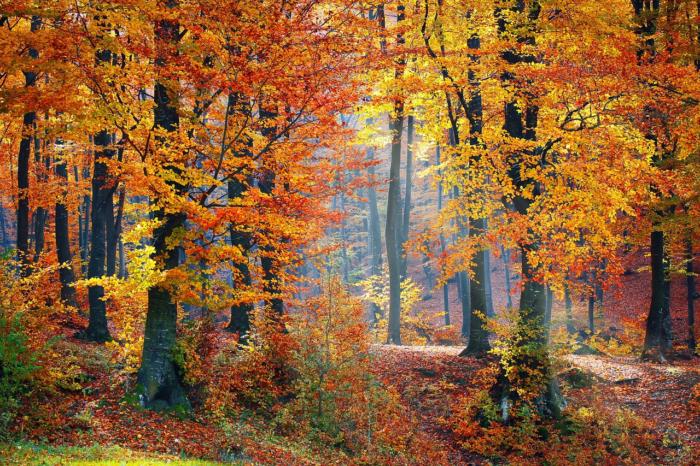
forest, fall color


One of the most phenomenal transformations in nature occurs in autumn, when leaves take on fall color.  


There’s no mistaking it: vibrant fall color in trees and shrubs signals a new season about to begin.

Deciduous tree canopies change from shades of green to the reds, oranges, yellows, browns, and purples associated with this time of year. A drive along the Blue Ridge Parkway, or even a glimpse out the window to the Japanese maple in the courtyard, elicits feelings of delight and wonder.

Equal to the spectacle unfolding in front of us, as we watch colors brighten from day to day, is the curiosity for an explanation. Why does fall color happen?


Plant Pigments and Fall Color


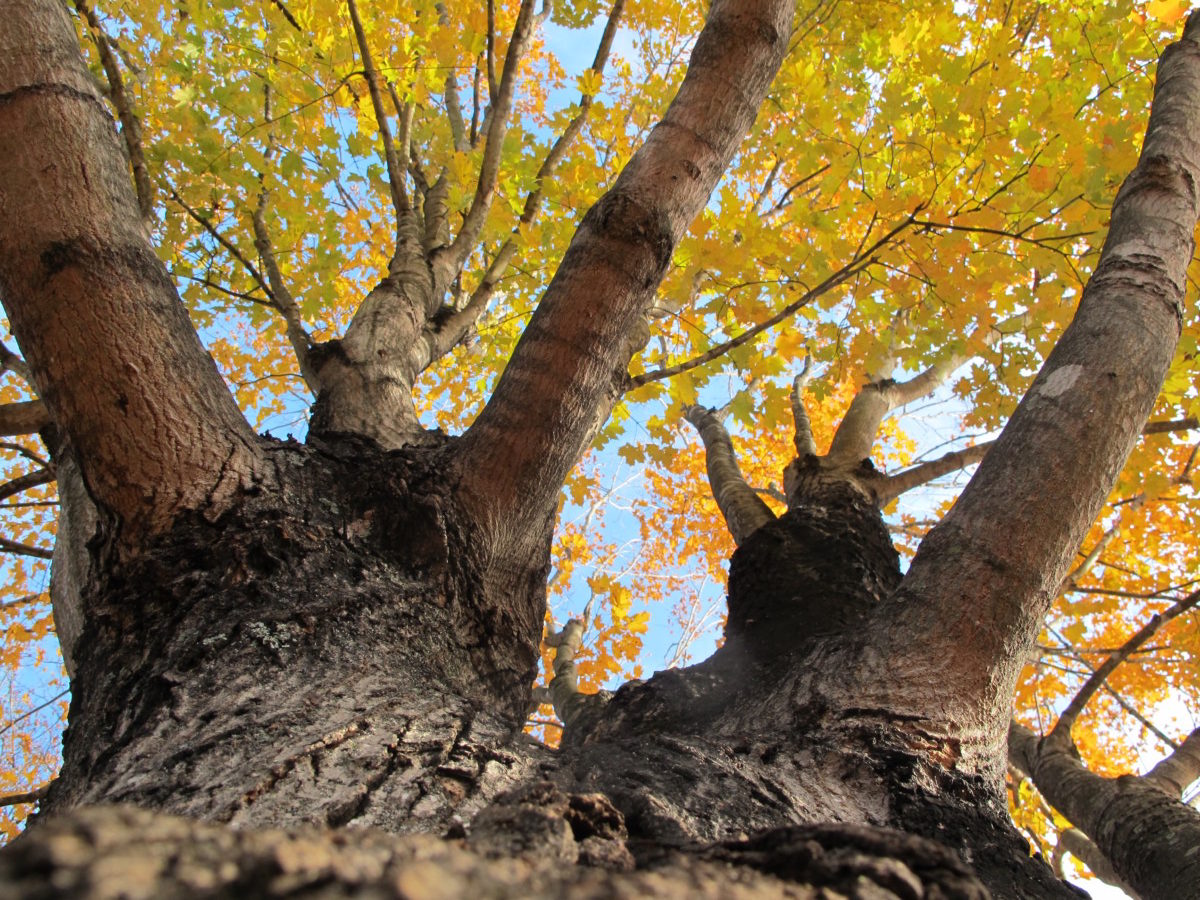
fall color

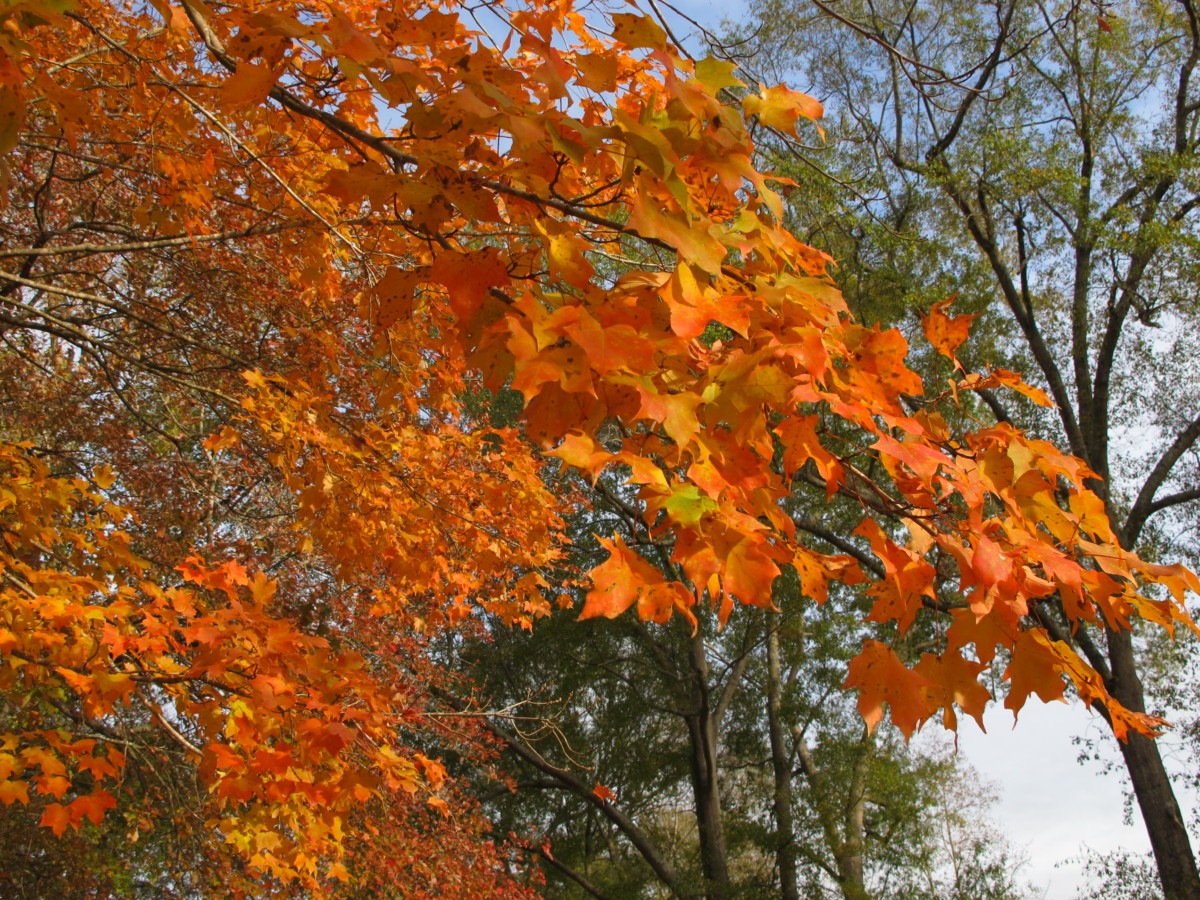
Looking up in Lincolnton NC.


It all starts with plant pigments, which give leaves their color.

Sandwiched between a leaf’s upper epidermis and the lower epidermis is a layer of cells called the mesophyll. The mesophyll is composed of the upright cells of the palisade layer, near the surface of a leaf, and the more loosely arranged spongy mesophyll. Both kinds of cells within the mesophyll have chloroplasts, which contain chlorophylls “a” and “b”, as well as other pigments.

Also present within the leaf is a network of vascular tubes—phloem and xylem—which carry water and nutrients between the leaves and the roots.

These chlorophylls absorb wavelengths from different parts of the spectrum. Chlorophyll “a” absorbs violet-blue and orange-red wavelengths, and chlorophyll “b” absorbs blue light. All plants have “a”, but not all plants have “b”. In lower light levels, “b” more efficiently absorbs energy from available light and transfers that energy to “a”.

In autumn, chlorophyll breaks down into transparent compounds. This is when the carotenoids become the dominant colors. Those pigments were there through the summer, but the green chlorophyll masked them. We don’t see the oranges and the yellows until the greens begin to degrade.


tree leaves

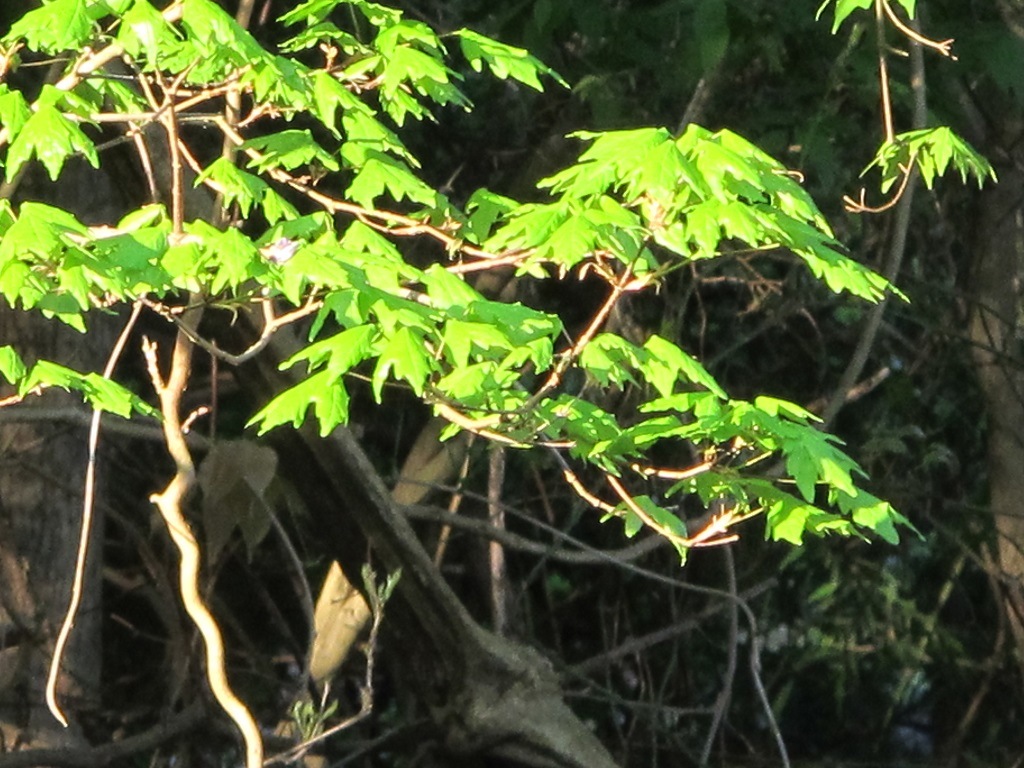
Spring foliage on maple tree in the woods.


Chlorophyll


maple leaves, fall color

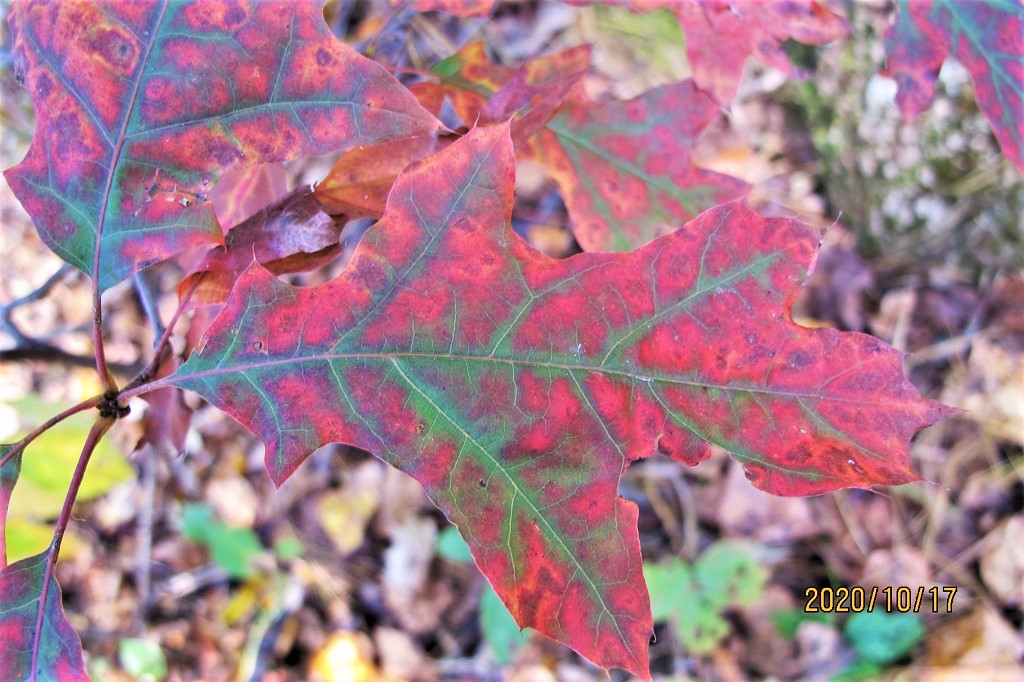
Oak leaves, at Mabry Mill, Meadows of Dan, VA (2020).

The green pigment is the familiar chlorophyll. We see it every day as plants grow and produce foliage. Chlorophyll, contained within a cell’s chloroplast, is responsible for manufacturing sugars during photosynthesis. Powered by the sun’s energy, carbohydrates, made from oxygen and hydrogen in water, and carbon from carbon dioxide, contribute to growth and development of the plant. Green chlorophyll is continually depleted and replenished throughout the season.

Chlorophyll pigments absorb primarily the red and blue wavelengths of the visible spectrum. Most of the green wavelengths, however, are not absorbed and are reflected instead. That why leaves appear green to us.

Changes occur in late summer as days shorten and temperatures drop. Changes in the cells at the base of the leaf’s petiole, where it attaches to the stem, begin to cut off the vascular system. Water and nutrients no longer move freely between the leaves and the stems. Production of new chlorophyll stops, revealing the yellow and orange pigments. Sometimes the leaf veins are the last parts to change color and remain green as the rest of the leaf turns color (photo, above).


Carotenes and Xanthophylls


yellow fall color, maple in charlotte nc

A maple tree in Charlotte NC.


Carotenoids are composed of xanthophylls and carotenes. These are the yellow, orange, and brown shades seen in plants and animals—daffodils, corn, buttercups, bananas…and canaries, egg yolks, shrimp, fish, and flamingos. These pigments absorb wavelengths from the blue and some of the green parts of the light spectrum, which chlorophyll can’t absorb efficiently.

Xanthophylls and carotenes protect foliage from oxidative stress (cell damage) during photosynthesis. When the tree is exposed to strong sun, carotenoids absorb excess energy from excited chlorophyll molecules and release it as heat. In autumn, carotenes protect leaves as the nutrients are withdrawn from the leaves to the stems. The tree will re-use these nutrients when new foliage emerges in spring.

Beta-carotene, lycopene, lutein, and zeaxanthin are more carotenoids, present in leafy greens, fruits, and vegetables. These pigments are good for plants and for us, too. We see them in squash, tomatoes, sweet potatoes, colorful ripe peppers, carrots, apricots, apples, oranges, and grapefruit…and in the greens, including spinach, kale, collards, and turnip greens. Foods high in these colorful compounds support immunity and help prevent cardiovascular disease and macular degeneration.

Between 15 and 30% of tree species have yellow or orange fall color. Trees that turn these colors include hickory, ash, redbud, yellow poplar, birch, aspen, black cherry, sycamore, maple, fringe tree, cottonwood, sassafras, parrotia, pomegranate, alder, ginkgo, witch hazel, and katsura.


orange fall color, lincolnton nc

A red maple in Lincolnton NC.


Red-twig dogwood ‘Arctic Fire’ and yellow-twig dogwood ‘Flaviramea’ stems turn color in cold weather and good sun. Prune the stems in late winter, almost to the ground, to encourage a multitude of young twigs that will take on color later that fall.


Brown as a Fall Color

Brown is often the color of cell walls and can appear in the absence of other pigments. Sometimes, leaves turn brown as a result of an early freeze. A Japanese maple that normally turns red in autumn, for example, can turn brown when the temperature suddenly plummets.

Also, a tree that has been cut down in late summer or fall will turn brown instead of displaying its usual fall color. More on that on Page 2, under “Marcescence“.


Anthocyanins


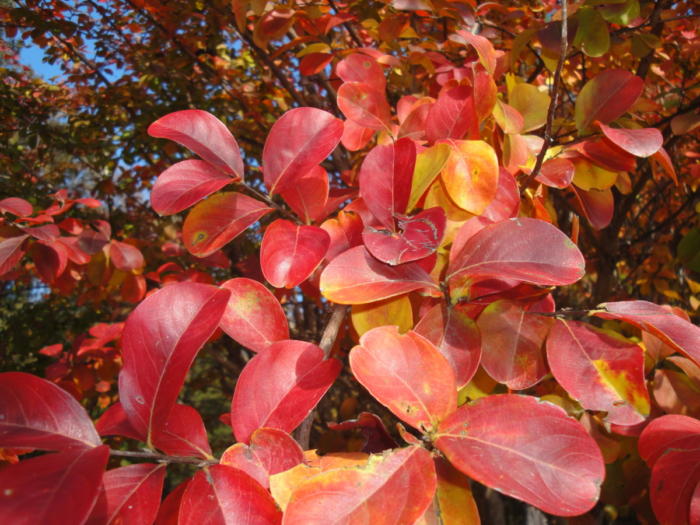
red fall color, crape myrtle

Fall color of crape myrtle, Cane Creek Park, Waxhaw NC.


What about the red colors? Unlike the yellows and oranges, the red pigments, called anthocyanins, are produced in the sap when sugars break down in bright light.

This happens after some of the chlorophyll has degraded in autumn and as phosphate levels decrease. Phosphates break down sugars manufactured by chlorophyll in the summer in order to carry out cell activities. However, in autumn, phosphates and other nutrients move from the leaves to the stems.

You might notice that in some years, the red colors are more vibrant than in other years. Rich red colors are visible when anthocyanins are produced in greater quantities. Bright sunny days, adequate soil moisture, and cool but not harshly freezing temperatures foster the blazing displays we look forward to each year. 


berries

Edible berries with high levels of healthy anthocyanins.


Nutritionists encourage us to “eat all the colors” of vegetables, greens, and fruits. Anthocyanins, giving foods their red, blue, and purple colors, are among the most powerful and beneficial antioxidants. They’re found in many fruits and vegetables, including apples, cranberries, blueberries, strawberries, blackberries, cherries, grapes, plums, red cabbage, and red lettuce.

Carotenoids can combine with anthocyanins to form deep orange, scarlet red, and bronze fall colors.

In temperate regions, about 10% of the trees turn red or burgundy. But the percentage can be as high as 70% in areas such as New England. Some plants with predominantly anthocyanin pigments include maple, oak, sweet gum, tupelo, sourwood, dogwood, cherry, and persimmon. Purple-leaved cultivars of smokebush and redbud turn deep red in autumn.


Variety Selection in Your Landscape


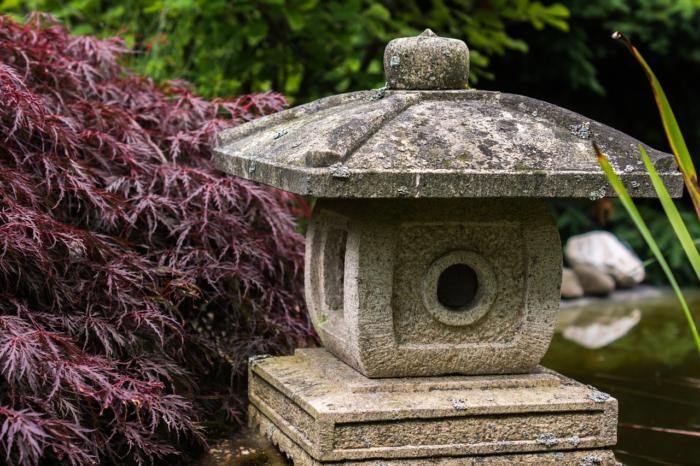
burgundy fall color, Japanese maple with lantern

Certain varieties of Japanese maple display great color in summer and again in autumn.


When choosing shrubs and trees for your landscape, be sure to ask the nursery about fall color. There could be several cultivars within a species, each with a different color in autumn.

Japanese maple in fall color, new gardens

Japanese maple.

Japanese maple (Acer palmatum), for example, comes in many varieties. Red-leaved cultivars of this tree seem to be the preferred choices among home gardeners. Foliage that remains mostly red all summer will gradually deepen to a rich reddish burgundy. And then it suddenly looks as though the plant is on fire, turning bright red. On the other hand, green-leaved cultivars can be multi-colored in the fall, or rich orange, or sunny yellow. It just depends on the cultivar.

If you’re looking for a specimen tree, and fall color is a factor, visit garden centers and public gardens in autumn when the trees show fall color. Research the full botanical names (Genus, specific epithet, and ‘Cultivar’) of the varieties you like.

This is not a guarantee, however, that young potted trees will have the same fall color as established trees. Plants in nursery pots can behave differently than plants in the garden, so take that into consideration.


Fall Color Depends on Weather


Seasonal weather conditions also affect a tree’s fall color. In the Maryland garden, a Parrotia persica grew in an island bed. The leaves of this witch hazel relative often turned a bright yellow color. In other years it was amber-gold, and, more rarely, salmon-red.

Prolonged mild fall weather can delay abscission, or leaf drop. That Parrotia (photos, above) occasionally held its leaves until December. Many oak species keep their orange, russet, rich red, or brown leaves through early winter before shedding them. And beech trees are readily identifiable in the forest by their light brown leaves clinging through part of the winter.

Red fall color is particularly dependent upon weather conditions. In 2018, trees that normally turned brilliant red were rather dull here in Charlotte. The heavy rains, high winds, and overcast weather did not promote the production of anthocyanins.


Hormones and Abscission


Abscisic acid (ABA), produced in terminal buds, slows growth and signals the plant to produce bud scales that protect the buds over winter. ABA is also produced in the root system and is translocated to the leaves during drought in the growing season, signaling the leaves’ stomates to close. This reduces transpiration, conserving water content in the plant.

Hormones produced in leaves and in the tips of twigs influence development of the abscission layer. This layer is a few cells thick, characterized by short cells with thin walls, and sits between the base of the leaf stem (petiole) and the twig.

During the growing season, higher levels of auxin regulate the influence of ethylene—both are hormones—resulting in the leaves’ ability to remain attached. Auxin levels fall in autumn, however, exposing cells in the abscission layer to the effects of ethylene, which promotes leaf detachment.

Cells between the petiole and the twig are differentiated, disintegrating on the leaf end and depositing lignin and suberin on the twig side. As this layer of cells weakens, leaves fall off by their own weight or aided by wind and rain. Enzymes, such as pectinases, help the process by breaking down cell walls.

Remaining on the twig is a leaf scar, with remnants of vascular strands. Over several days, lignin (tough woody tissue) and suberin (corky bark tissue) seal the fresh leaf scar, protecting it from infection and desiccation.


Headings

Page 1: Plant Pigments and Fall Color, Chlorophyll, Carotenes and Xanthophylls (Brown as a Fall Color), Anthocyanins, Variety Selection in Your Landscape, Fall Color Depends on Weather, Hormones and Abscission

Page 2: Marcescence (Nutrient Release, Browsing Animals, Weather Abatement), Why Do Leaves Fall Off?, Protective Red Fall Color, But Only Part of the Tree is Turning Color, Fall Color and Species Distribution, Speaking of Cold, Fall color is nature’s last hurrah of the season.


Return to the top