Updated 9/2/2026
Today, In the Garden
My gardening year never ends, transitioning without a hiccup from one season to the next. One crop finishes up, and a new one takes its place in any of several garden spaces on my property. That’s one advantage of living where winters normally are moderate, here in the Piedmont of North Carolina (USDA zone 7b).
In this article, I’ll describe how to get the most out of your garden as the main season comes to an end, and I’ll offer many tips on growing greens into the colder seasons.
Although an occasional cold blast might drop winter nighttime temperatures into the single digits F, those extremes don’t happen every year. Cool season gardening can be a very satisfying project, and I encourage you to discover the delights of keeping the garden productive. With careful planning, you can harvest something from the garden every day of the year!
While some gardeners lament the end of the growing season, I welcome autumn as the beginning of new crops of edibles. Pleasant fall weather and clear blue skies make outdoor activity an absolute joy as cool season gardens become established. As a bonus, these are the months without weeds and insect pests… or fewer of them.
Dealing with Frost
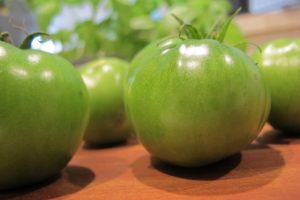
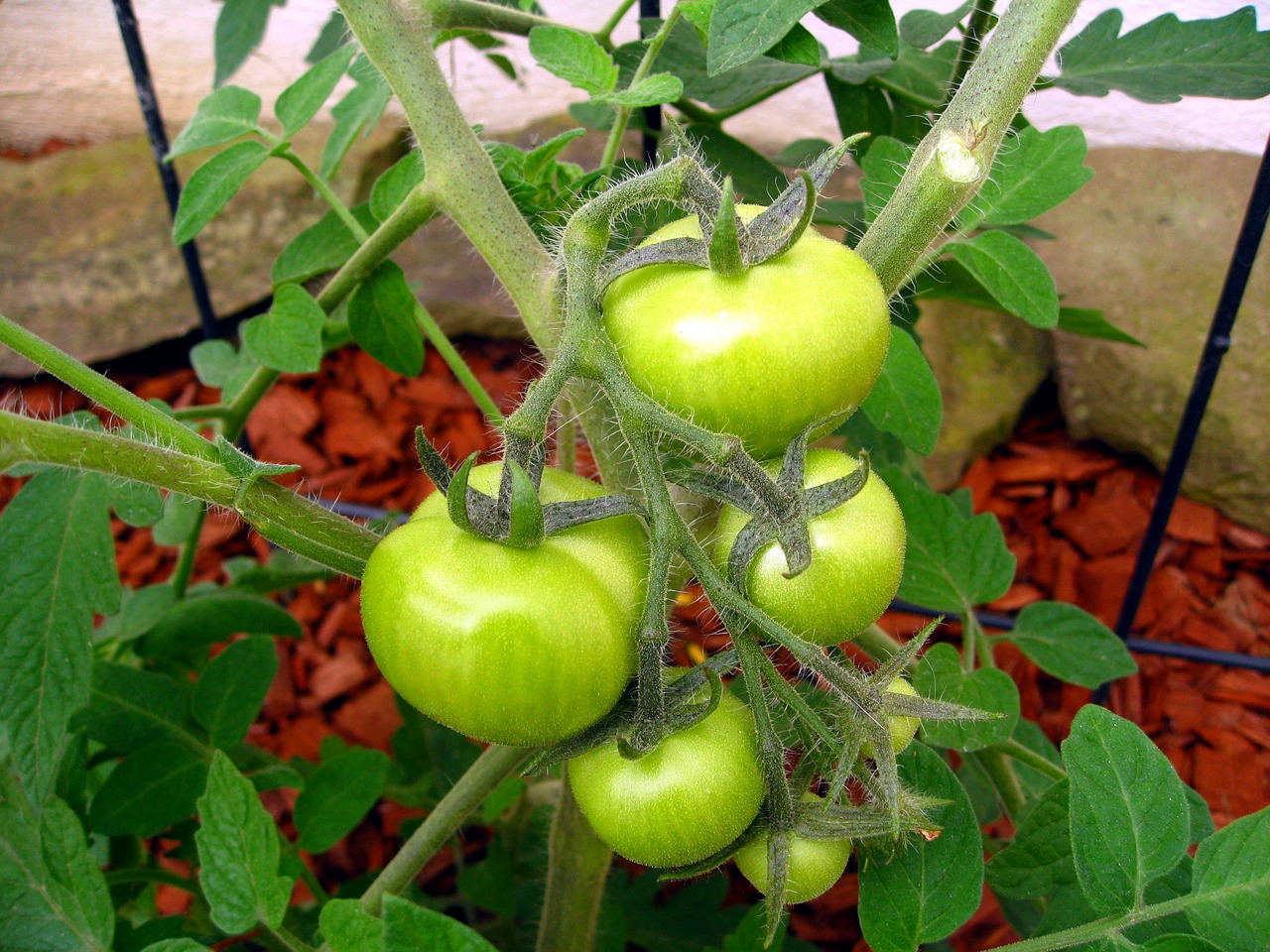
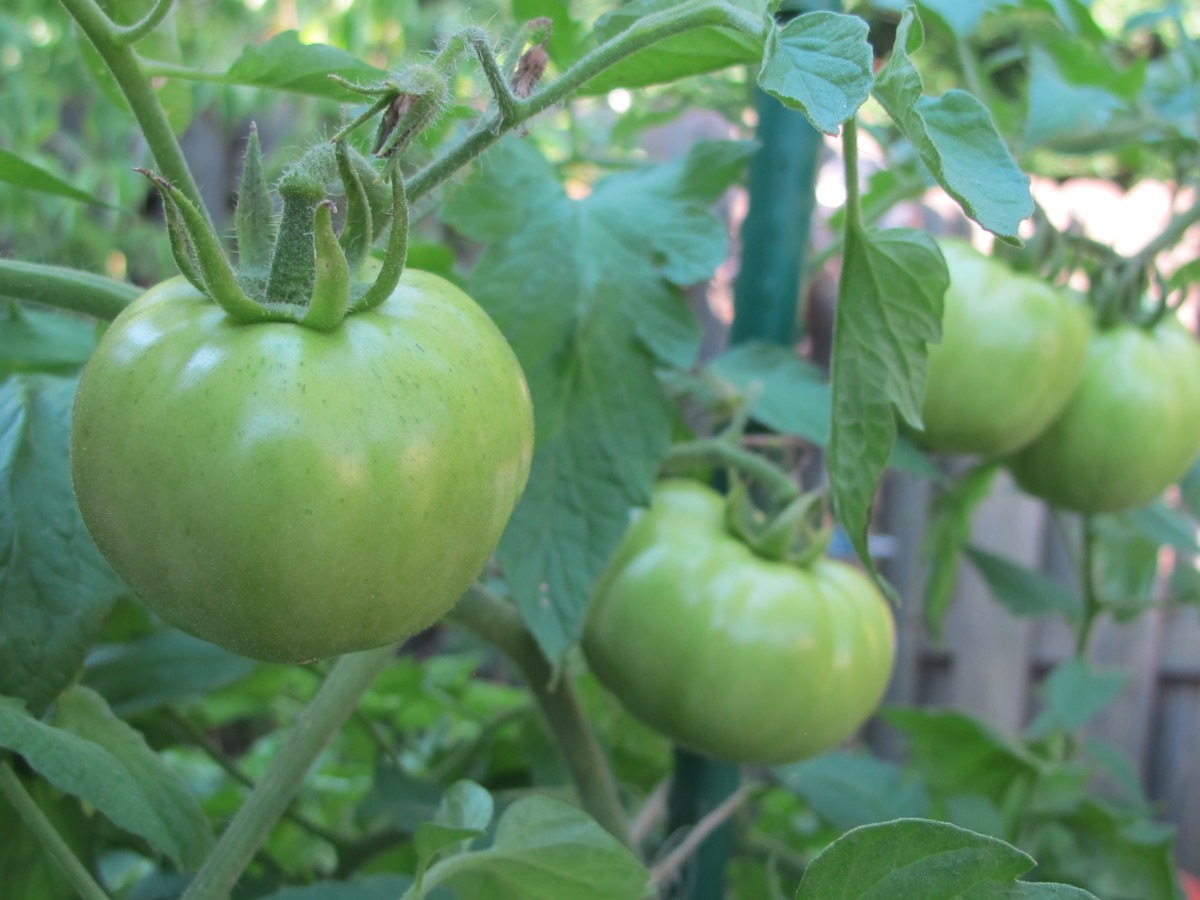
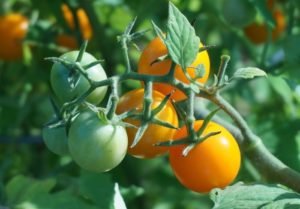
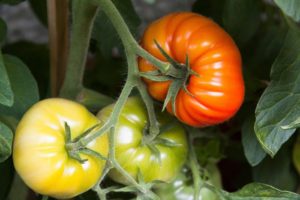
These green tomatoes will ripen on the kitchen counter.
Weather is a constant consideration for us gardeners. Ordinarily, the first autumn frost arrives here around the third week in October. But it can occur weeks before that or not until weeks later, in November. With warm days and moderately cool nights, most of the tomatoes and peppers ripen in the gardens.
Sometimes, one or two more weeks of mild temperatures can follow the first fall frost. That’s a good reason for not removing summer vegetables right away, assuming they survived the first chill and retain some unpicked fruits. Covering the plants protects them from cold nights, as described in the next section.
Before an expected frost, I’ll pick green tomatoes that are mature or almost mature in size. They’ll ripen indoors on the kitchen counter. Any fruits remaining on the vine not protected by a canopy of foliage will be damaged by frost. Cucumbers, peppers, zucchini, and other tender crops also should be harvested before the first frost.
Consume cracked, bruised, or blemished vegetables first since they deteriorate quickly. In some years, the last tomato is eaten weeks after New Year’s Day. High humidity in my home—from two fish tanks and plants everywhere—helps keep the tomatoes in good condition.
Covering Crops with Plastic or Old Sheets
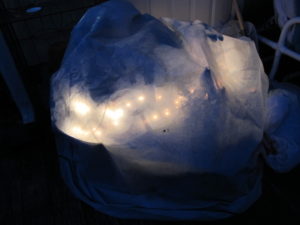
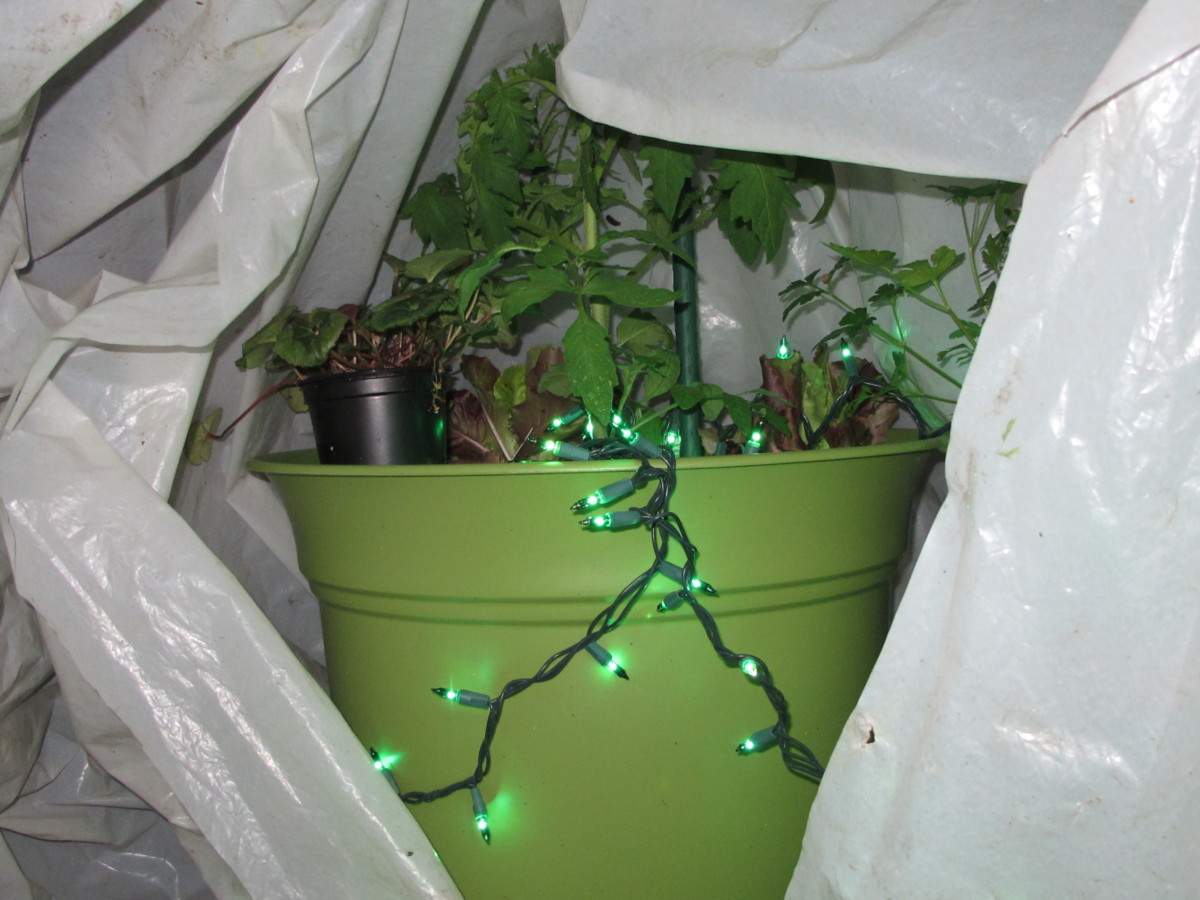
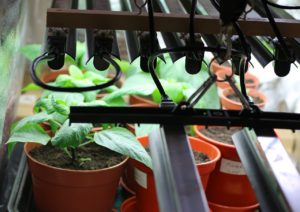
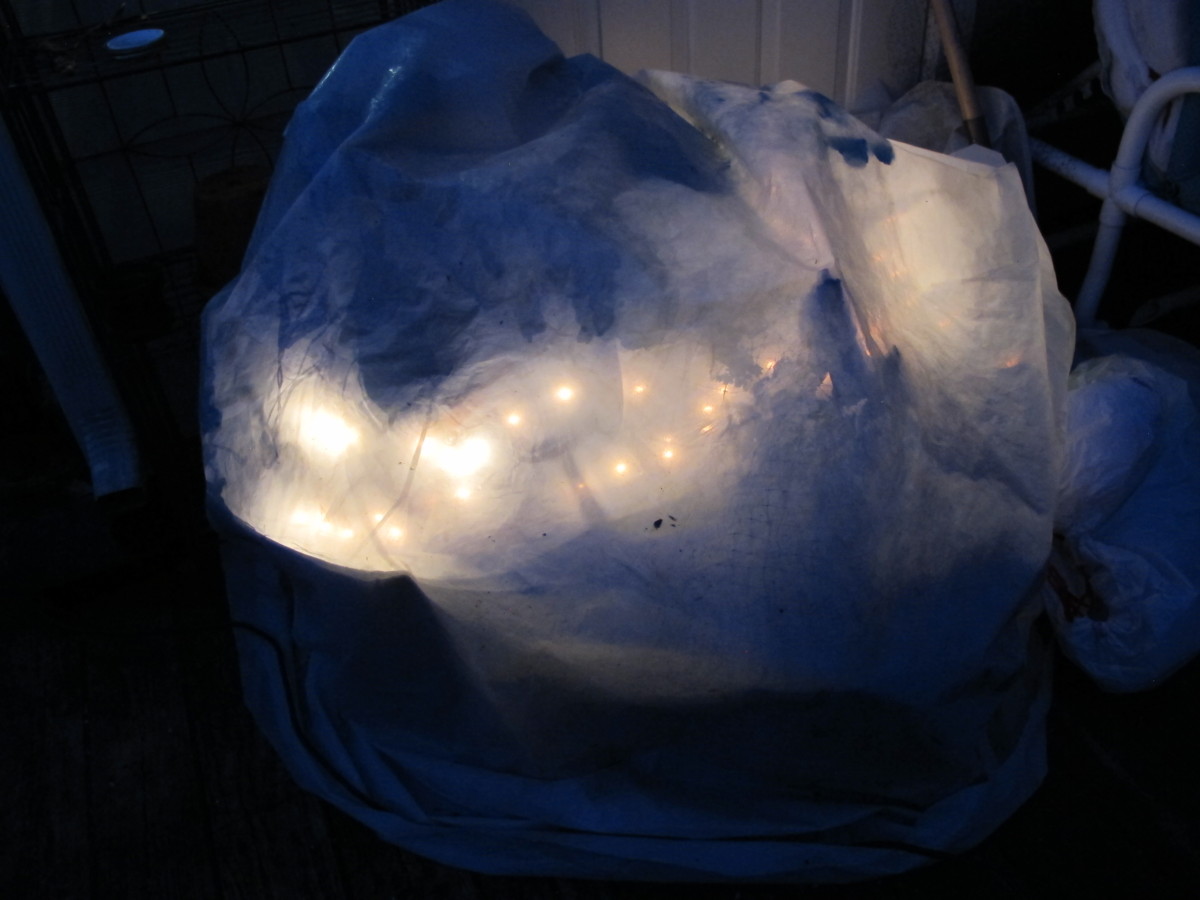
Clear plastic and mini incandescent Christmas lights.
Few of us want to see garden production come to an end, especially with younger fruits still clinging to the stems. In the meantime, though, we can do a few things to maintain slightly warmer conditions while those last fruits ripen outdoors. And consider cool season gardening, after the tomatoes are removed, which opens up a whole world of possibilities!
Covering the plants at night with large sheets of plastic, a tarp, or old sheets holds in enough warmth to make a difference between losing the plants and not losing them. Some gardeners use heat cables, hot water bottles, or strings of incandescent miniature Christmas lights to raise the temperature.
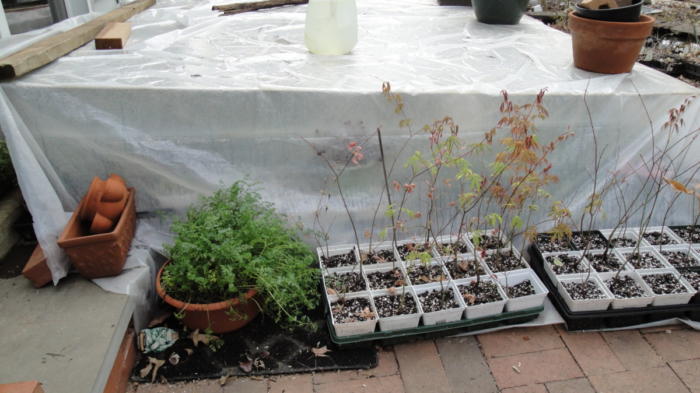
The goal is not to create a tropical atmosphere, but rather to increase the temperature several degrees to prevent frost damage and to help ripen the last fruits. (Photo, above: plastic film, an old towel, and lights prevent cold from reaching these potted vegetables in Charlotte NC, several years ago.)
Avoid letting the plastic covering touch the plants. At night, the cold transfers directly to the leaves and can damage or freeze them. Prop the coverings on taller stakes or place a layer of cloth between the plastic and the plants. You could go a step further and place large containers of hot water near but not touching the plants. Weigh down the sides of the covering to confine the warmth and to prevent the whole thing from blowing away in the wind.
For all plants protected from frost, remove the coverings when morning sunlight warms the area. Heat builds up very quickly under clear plastic, roasting the plants.
On cold, overcast days in autumn, the protection can remain in place during the daytime if any summer crops are worth saving at that point. Vent the covering if the space overheats in the daytime. A wide footprint provides an opportunity to warm a larger area of ground, which releases that warmth to the plants at night. But don’t expect a significant turnaround in the summer vegetables’ vigor.
Next spring, I might use a large tarp and hot water bottles under the small peach tree. In April 2025, we had an unexpected freeze, which ruined several dozen peaches. That would have been the tree’s first harvest. The weather forecast predicted a low of 35-37°F, but only one fruit survived the 27° night.
(***Update***: Happened again! A few April nights predicted to fall below freezing prompted me to affix some old sheets and a tent canopy to the lower part of the peach tree. The tree was just too large to protect all the fruits. No tiny peaches survived in the top half of the tree, but about 20 fruits that were protected will continue to grow. Fingers crossed. 4/12/2026)
Keep those materials handy, as they might be needed to protect cool season gardens as the temperature plummets. While many consider these procedures not worth the effort, let me remind you that only fairly flavorless store-bought tomatoes will be available after this point, if you choose to buy them at all. No thanks; I can wait until next year’s new crop. Each ripe tomato in autumn is treasure.
Potted Plants for Growing Indoors
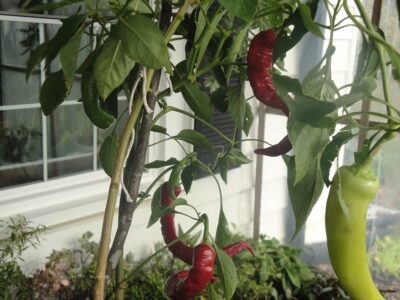
Heirloom ‘Jimmy Nardello’ pepper.
Because they’re tender perennials, peppers can be potted for indoor growing. (A “tender perennial” can live two years or more, but it can’t tolerate frost.) Keeping a few pepper plants potted through the summer makes the transition to the indoor environment easier than digging plants at the last minute. To increase your odds of success when digging up plants, prune off half of a large plant. Choose small to medium sized pepper plants, if you can, for keeping indoors over the winter. You’ll need to hand-pollinate the flowers to set fruits, and scout daily for aphids. Peppers need 6+ hours of direct sunlight to survive.
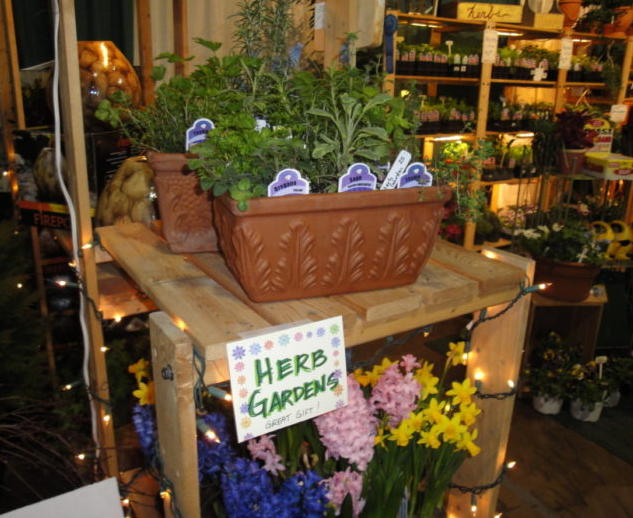
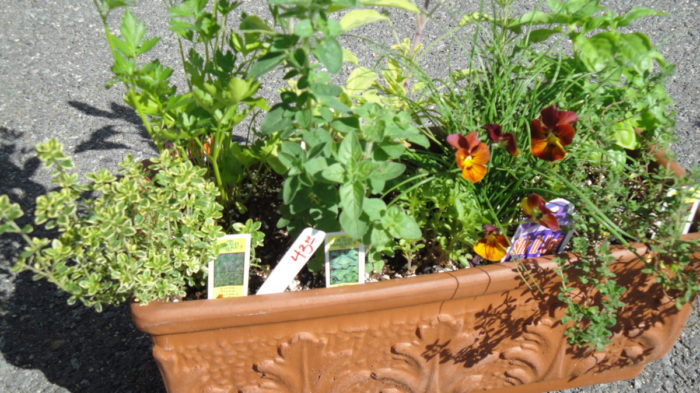
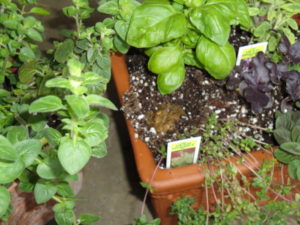
Potted herbs can grow indoors in a sunny window. Divide a clump of chives growing in the garden, take a small division of thyme, and prepare a pot of parsley a few weeks before frost. Or you can start seeds of your favorite herbs in mid to late summer, and keep some of them potted.
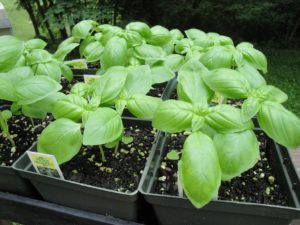
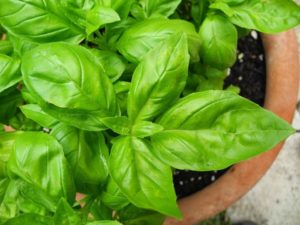
Basil ‘Genovese Compact’, ready for the farmers’ market.
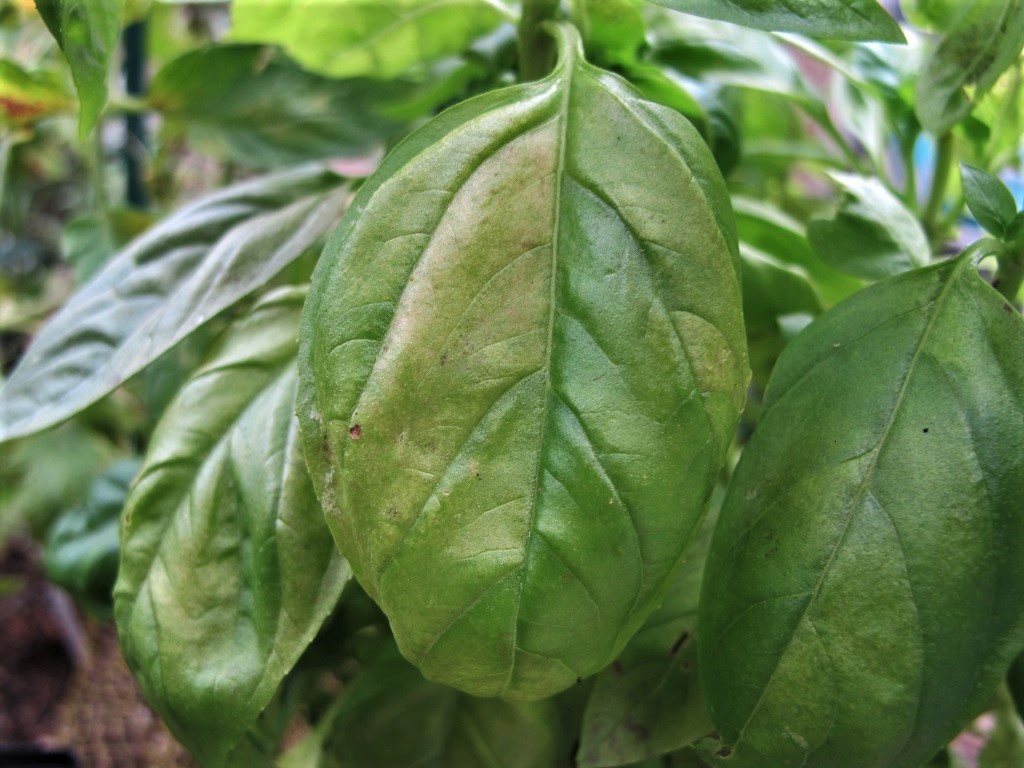
At the farmers’ market, you might find a vendor who sells potted herbs in late summer or autumn for indoor growing, as I do. For basil, starting with young basil plants ensures they will last all winter, if growing conditions favor growth. An older basil by late summer wants to flower, becoming “woody” and tired. As an annual, it won’t last much longer in good condition. (Annuals grow for one season, starting from seed, growing and maturing, flowering and setting seed, and then dying.) You can start seeds or purchase young plants in late summer. Basil must be protected from chilly temperatures, so start moving healthy plants indoors before nighttime temperatures drop below 50-55°F.
Moving Houseplants Indoors
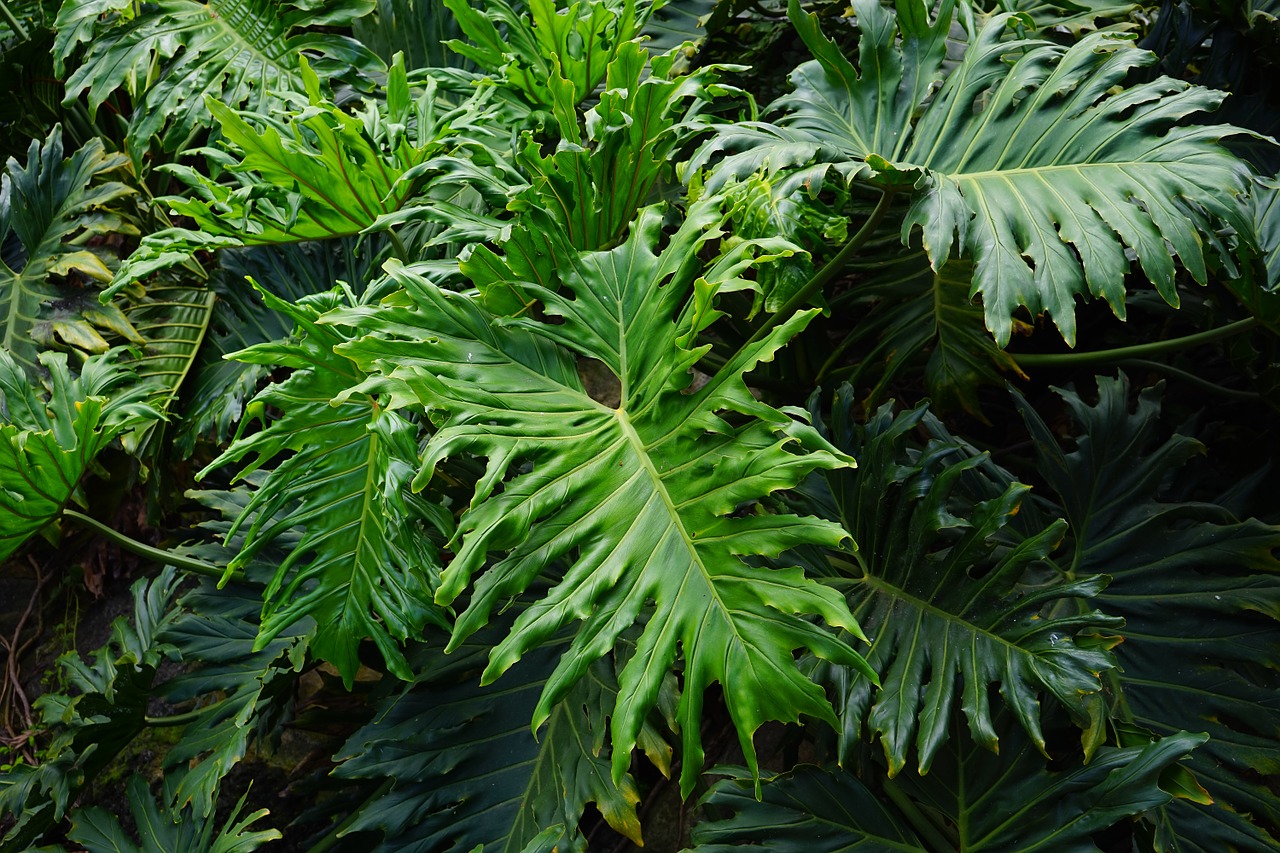
Tropical houseplants also need to come indoors as temperatures decrease.
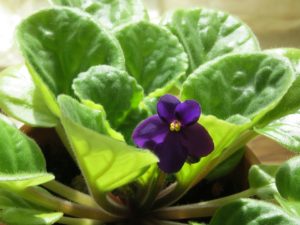
Pothos, philodendron, alocasia, aglaonema, African violet, orchids, and spathiphyllum are among those that are very sensitive to cool temperatures. They’re the first species to come indoors, at 60°, after inspecting them for insects, slugs, and spider mites.
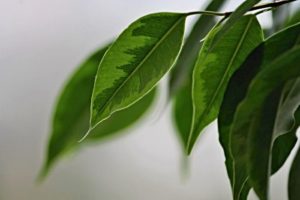
Before nighttime temperatures drop below 50°, return ficus, palm, dracaena, schefflera, aralia, and other tropical plants indoors.
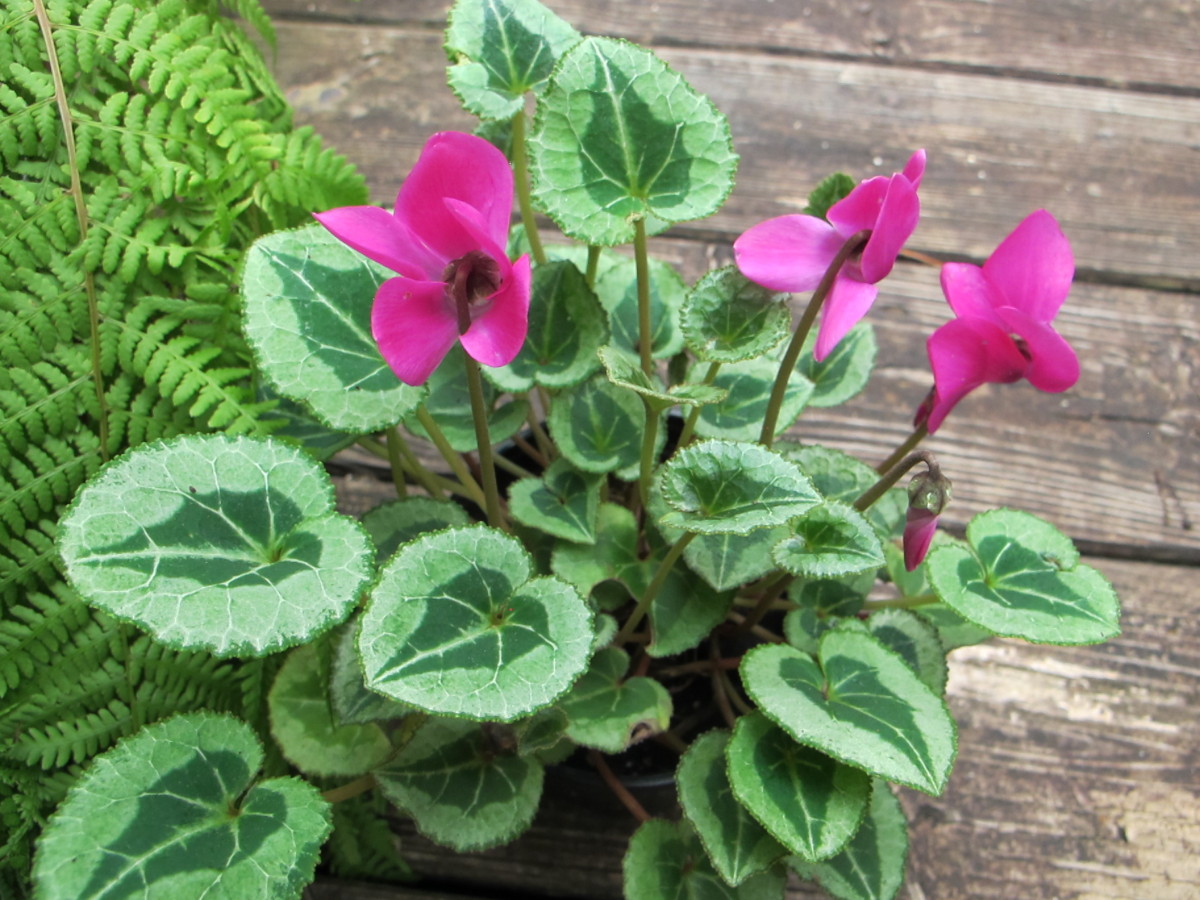
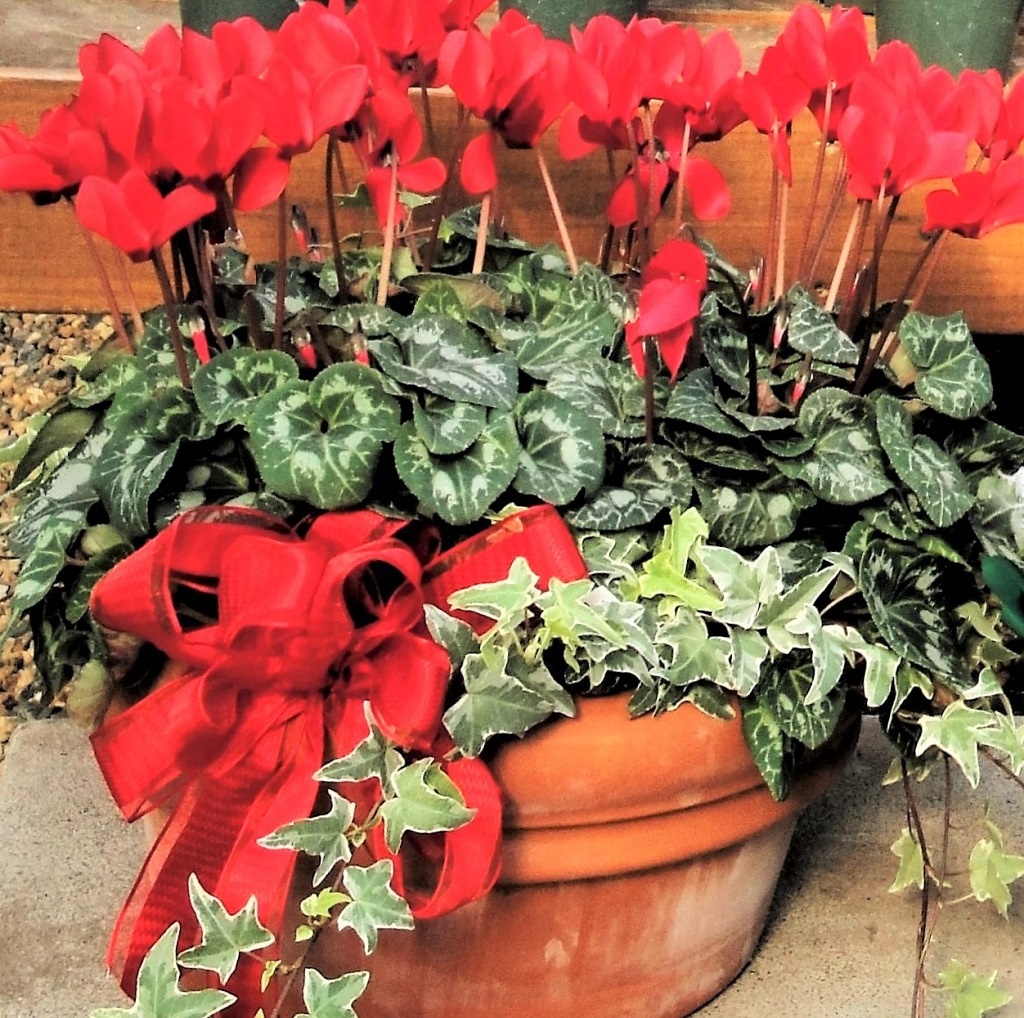
Houseplants that benefit from cool temperatures include cyclamen, Christmas cactus and other orchid cacti, many other succulents, and English ivy. Some develop new flower buds after being exposed to a few weeks of cool temperatures, in the high 40’s and 50’s. But they and all remaining tender houseplants should come indoors before they’re damaged by frost.
Shopping Your Local Farmers’ Market
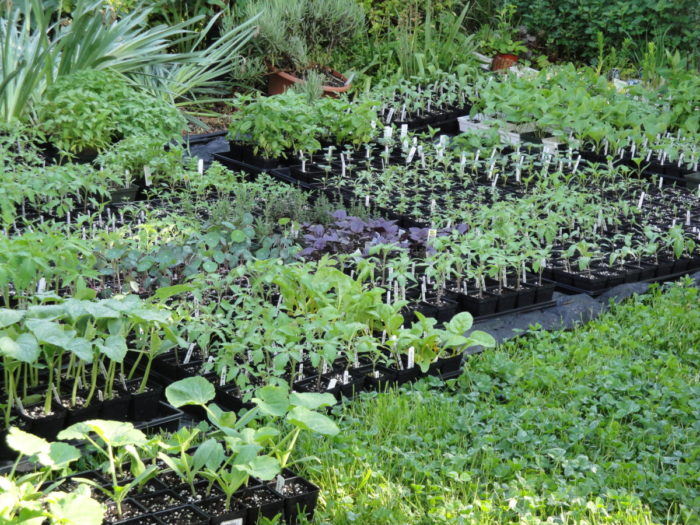
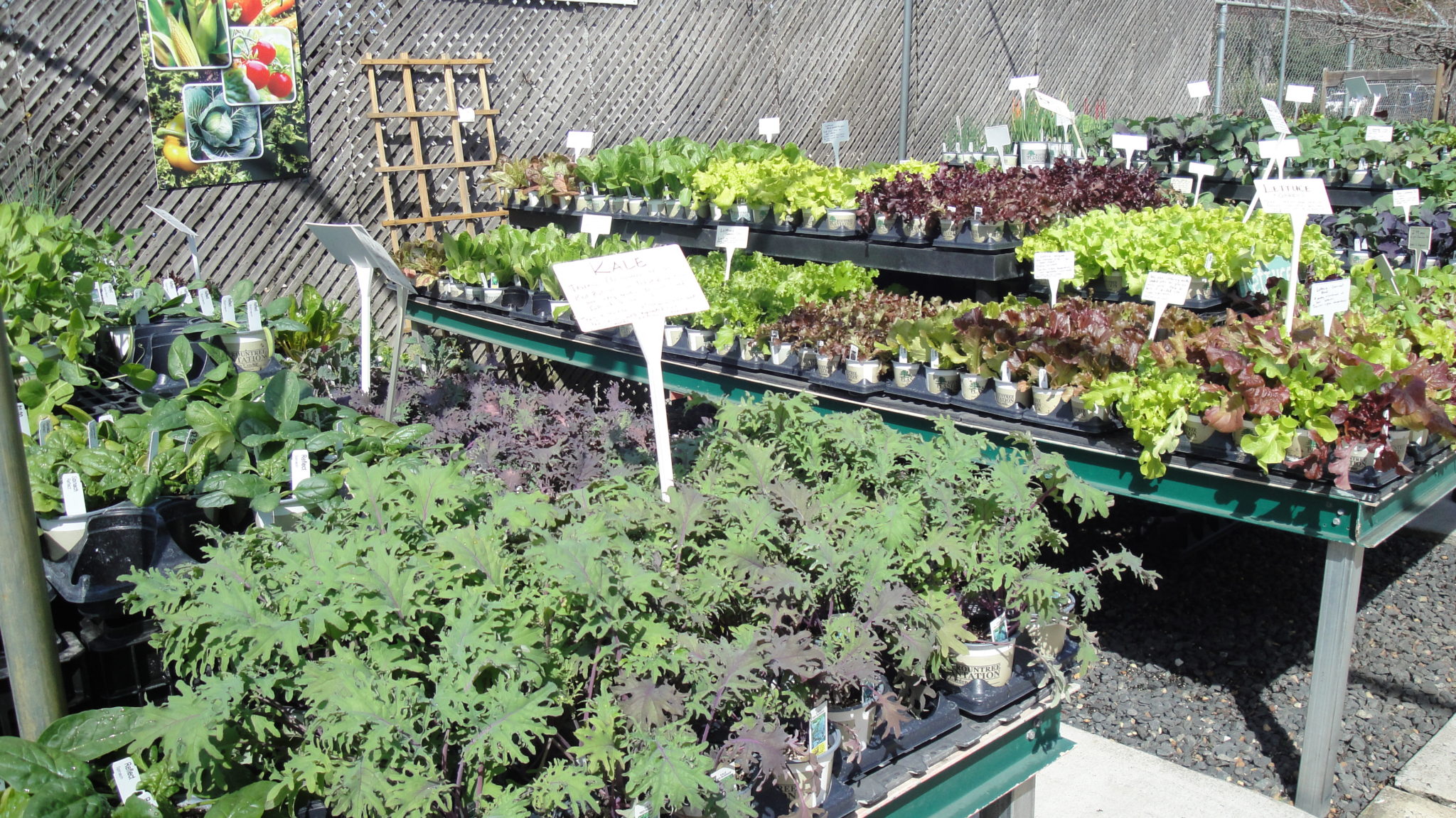
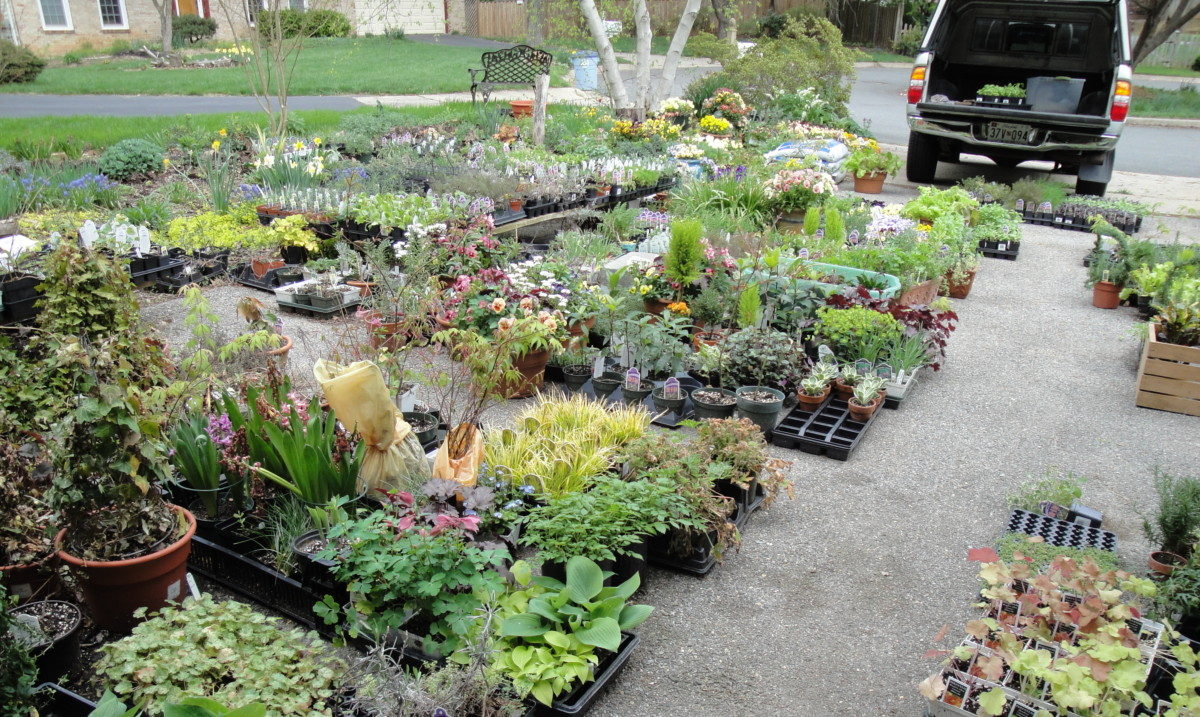
I’ve been selling herbs, cool season greens, and vegetables—as transplants—at our county farmers’ markets since 2022. Lots of these vegetables are planted in my own gardens for cool season harvests, with some freshly cut produce sold at the markets.
A weekly visit to your local farmers’ market demonstrates what can be grown in your region at that time. Ask the grower if her produce was grown in the open or in a protected space, such as a greenhouse.
Try some new greens and vegetables to broaden your family’s exposure to different foods. This is a good way to determine which varieties of edibles you like and might try growing in your own garden. Most vendors are happy to spend a minute or two answering your questions about variety selection. And they might offer tips for successful growing and kitchen preparation.
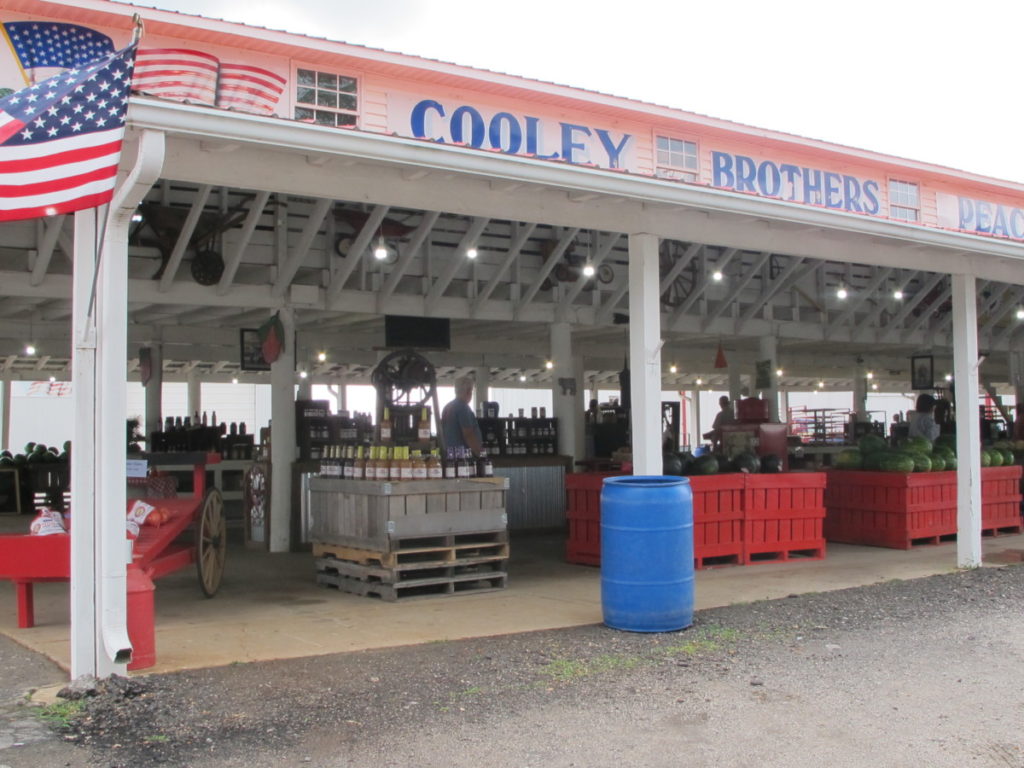
Growers offer a wide variety of vegetables, herbs, greens, and fruits at busy farmers’ markets. You’ll likely see greens or varieties of basil not sold in grocery stores or garden centers. Thin-skinned vegetables that don’t ship well are often found at these markets. And you can’t beat the freshness of the produce—unless you grow it yourself, of course.
The number of choices offered by seed suppliers is phenomenal! Each year presents opportunities to sample new cultivars. I’ll reorder favorites for my horticultural business, and drop others that did not live up to the hype.
Consuming freshly picked greens and vegetables gives you the full complement of nutrients. Vitamin and phytonutrient content begins to decline within only 1-2 days after harvesting. Picking veggies from your own well-composted garden (or purchasing them from the farmers’ market) and using them the same day delivers the most nutrients. Their flavor, naturally, is superb.
Supporting Your Local Economy
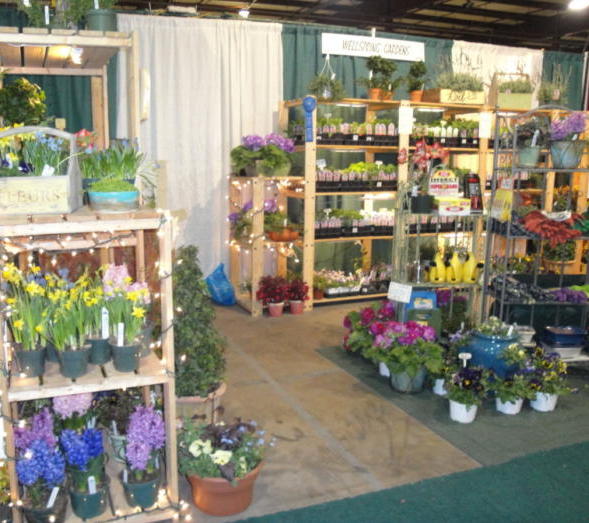
My small company, Wellspring Gardens, has participated in farmers’ markets and garden shows for decades in Maryland, around Washington, D.C., and now in northwestern North Carolina. I love the concept of supporting our local economy. Growers, artists, and crafters offer unique home-grown and hand-crafted items; these are our friends, neighbors, and fellow townsfolk!
A few vendors, through grit and determination, have realized their dream and succeeded in marketing their products throughout the country. Joe’s hot sauce and a popular coffee company both got their start at the local farmers’ markets in Montgomery County MD, where I lived before moving to Charlotte in 2013. (I moved here, to Wilkes County NC, in 2021.)
Farming has become a particularly difficult endeavor in recent decades, with hundreds of thousands of farms across America shutting down. Local growers getting retail prices for their crops at farmers’ markets, however, might eliminate the agonizing decision to sell valuable farmland for development. Small-scale farms can adopt organic and sustainable methods that would not be feasible for large corporate farming. As a result, supporting your local farmers’ markets keeps farmland producing nutritious crops on well-tended land.
As mentioned earlier, you’ll find a huge assortment of plants and produce to try. When I suggest certain cultivars for customers to grow in their home gardens, it’s especially rewarding to see them come back the next year, asking for those same cultivars.
I encourage year-round gardening, when allowed by a favorable climate. But, there are ways of getting around frigid temperatures! If this is your first attempt at cool season gardening, read through all the related posts and links here at The Farm In My Yard. In the search bar, enter the particular crops that interest you, or check the tag cloud.
For crops grown at this time of the year, continue to Page 2.
Headings
Page 1: Today, In the Garden (Dealing with Frost, Covering Crops with Plastic or Old Sheets, Potted Plants for Growing Indoors, Moving Houseplants Indoors), Shopping Your Local Farmers’ Market (Supporting Your Local Economy)
Page 2: What can we grow in a cool season garden? (Herbs and Vegetables, Herbs That Tolerate Cool to Cold Weather, Basil, Cool Season Gardening in the Enclosed Porch, More Herbs, Potted Vegetables, Succulents and Young Tomatoes, The Brassicas for Cool Season Gardening, Broccoli, Variety or Cultivar?, Green Onions and Bunching Onions, For Sustainable Bunching Onions, Spinach)
Page 3: More Greens for Cool Season Gardening (The Lettuces, My Lettuce Favorites, Swiss Chard, What else can we expect from cool season gardening?, Soil Prep, Caterpillars and Aphids), Structures for Cool Season Gardening (The Greenhouse), A Note About Brassicas and Their Antioxidants

















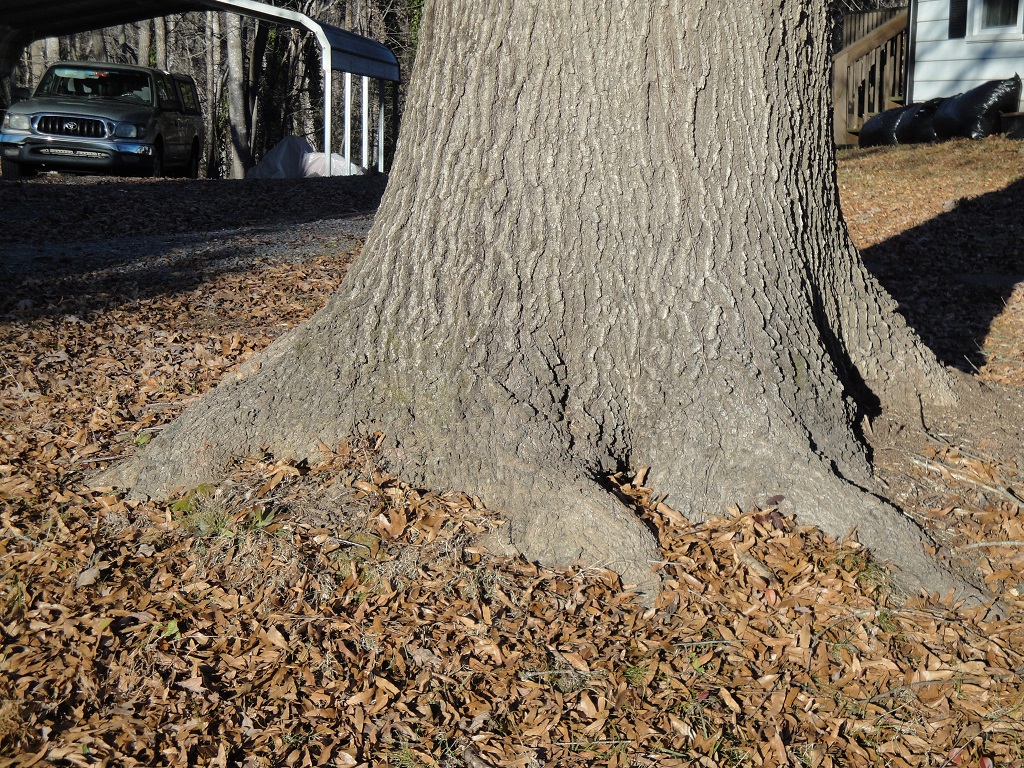
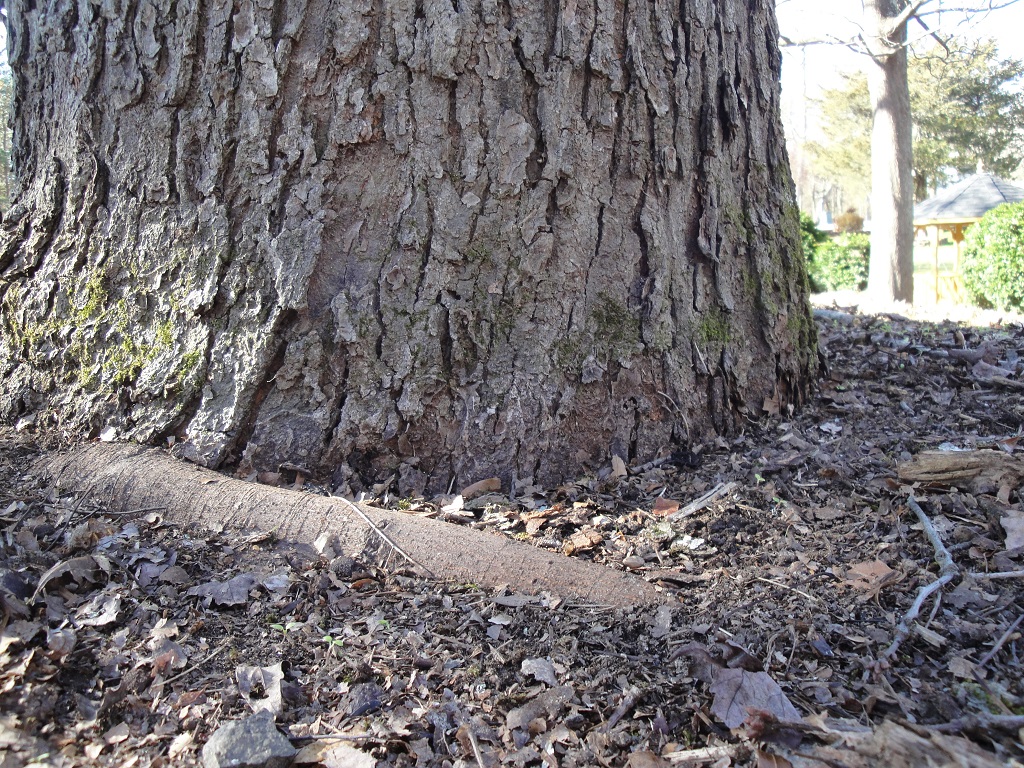
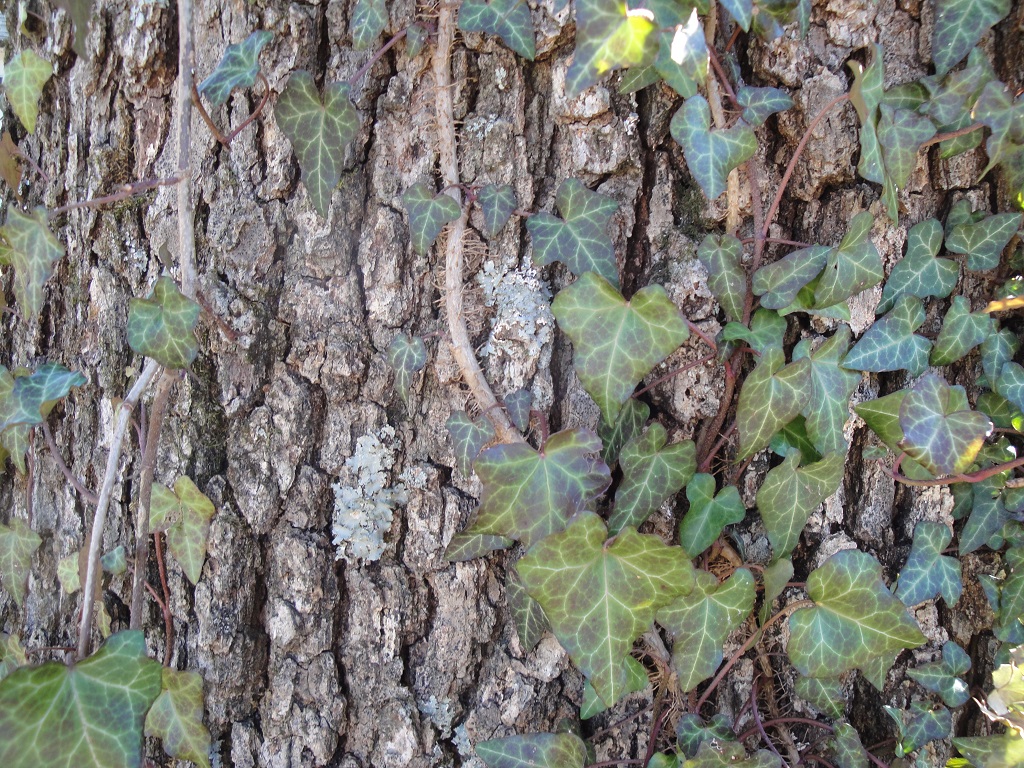
 First, English ivy is a woody vine, so its stems will grow in girth just as a tree branch does. As they wrap around the tree trunk or the limbs and thicken over the years, the ivy stems will constrict tree growth, killing limbs and possibly the tree.



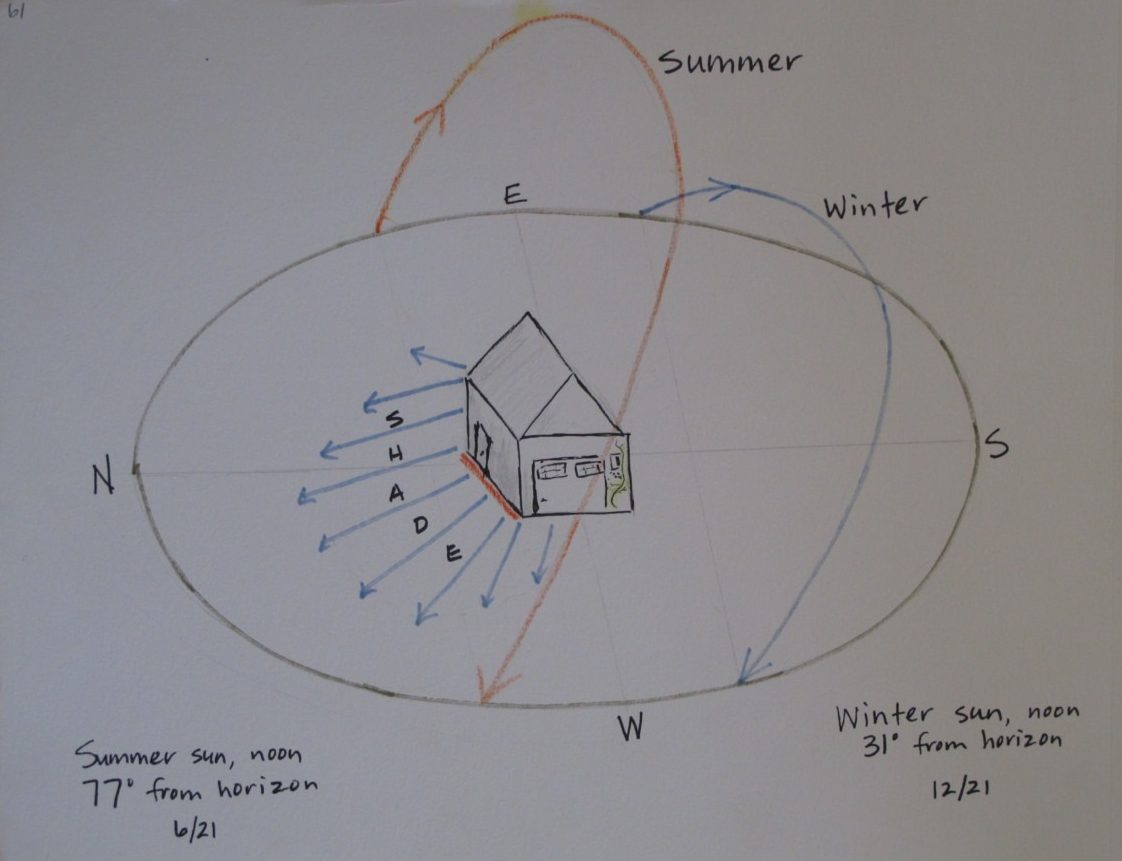






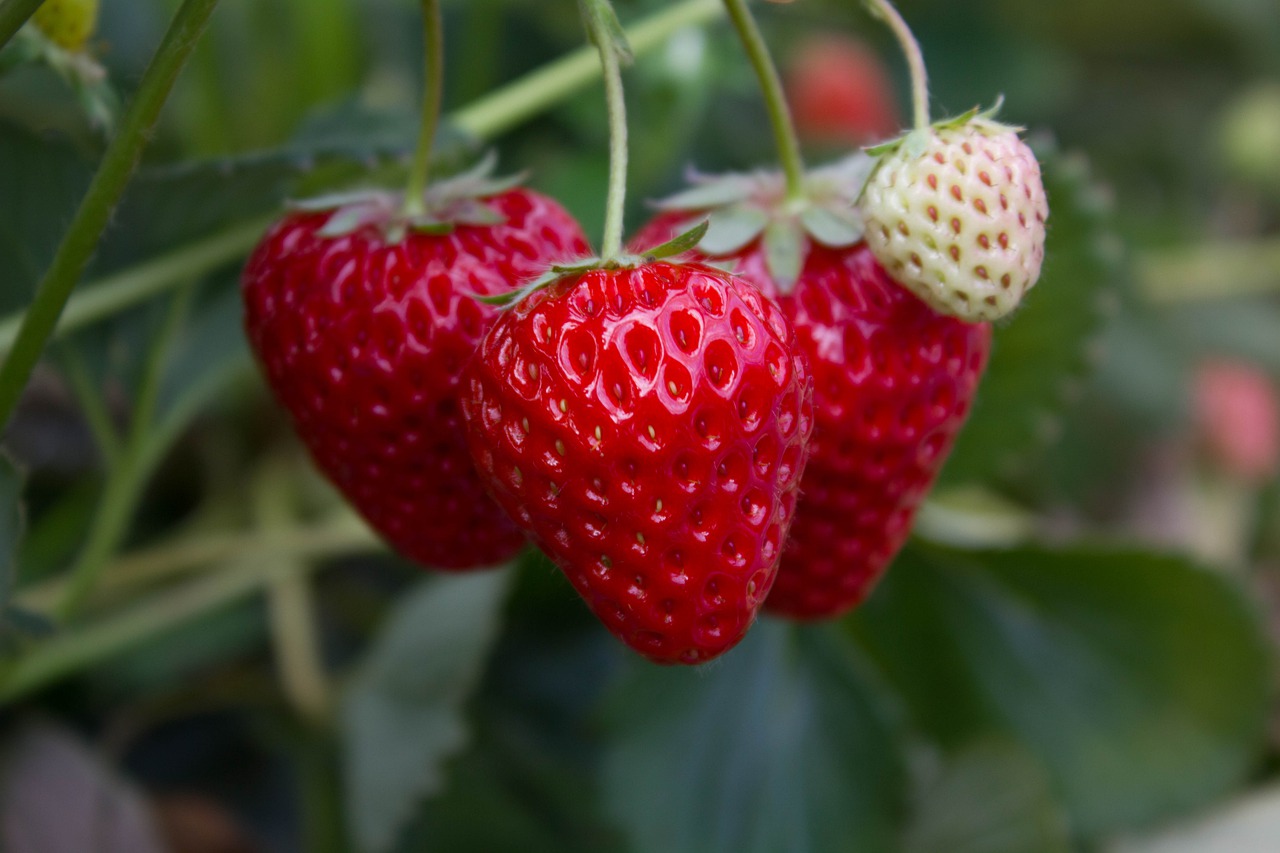
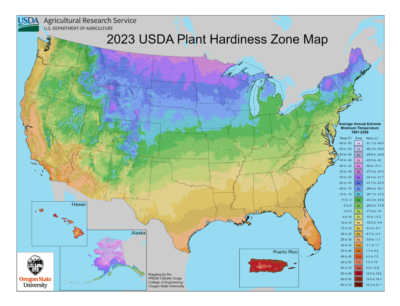
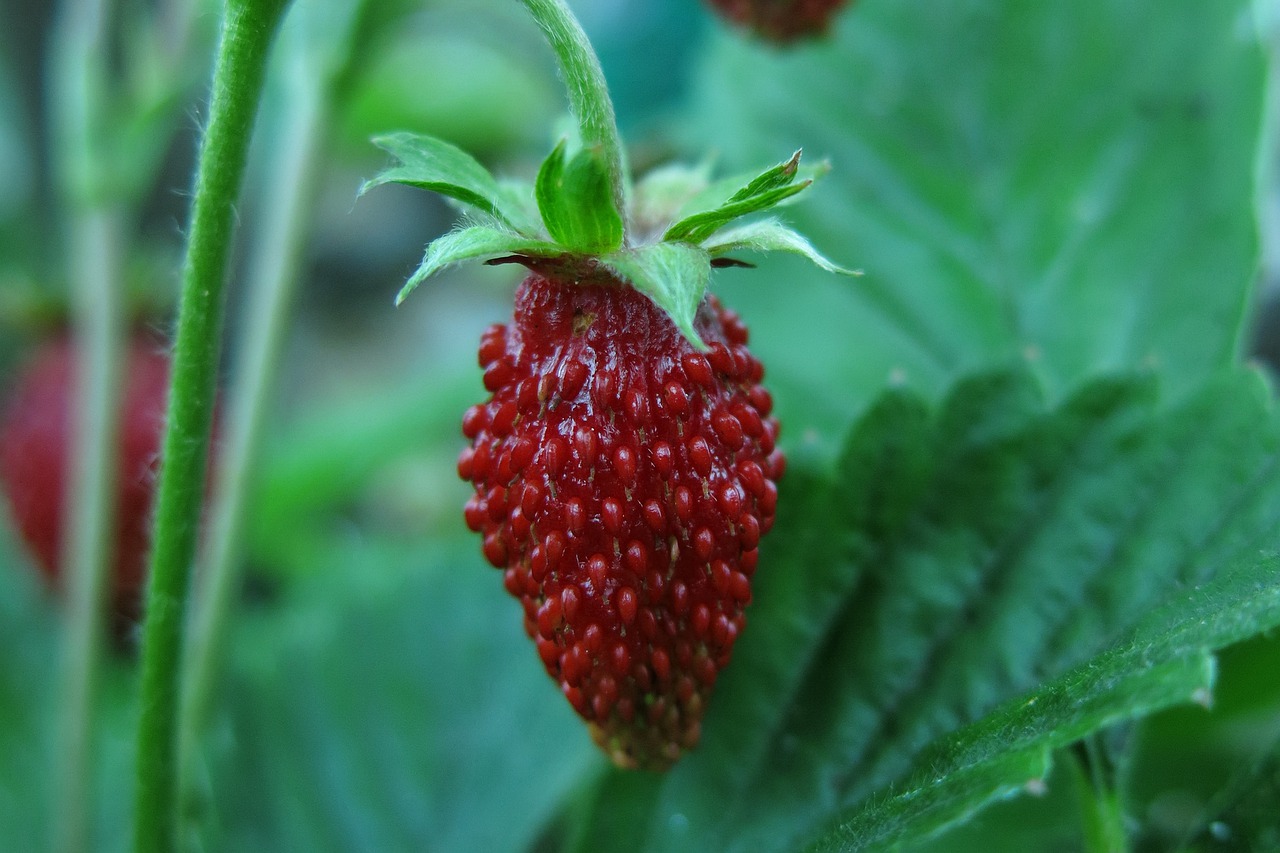
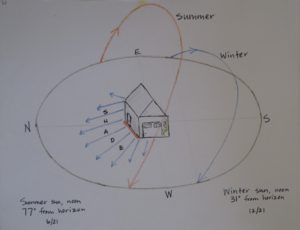
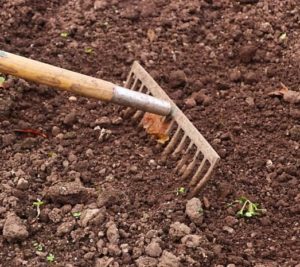 Find garden space that gets full sun for the best yields. Strawberries start growing before the end of winter, when the sun is still low in the sky. Take this into consideration when locating your garden. In partial sun, foliage and fruits might be plagued by diseases that ruin the crop.















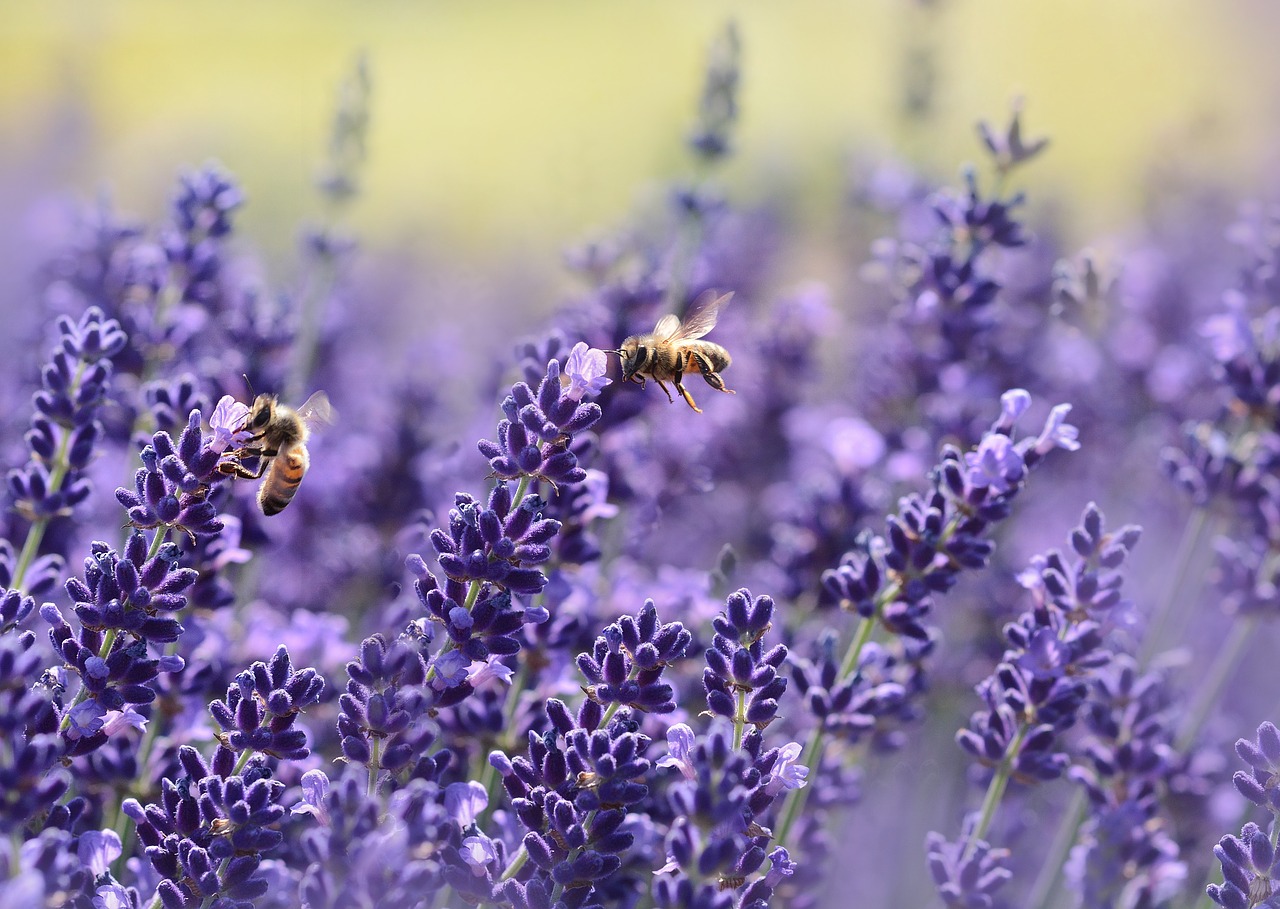
 Many varieties of recent sunflower introductions have been hybridized to grow flowers with very little or no viable pollen at all. When looking through catalogs, make note of the ones called “pollenless”. These varieties will make less of a mess on the credenza and won’t cause you to sneeze. But they have little to offer bees and butterflies.
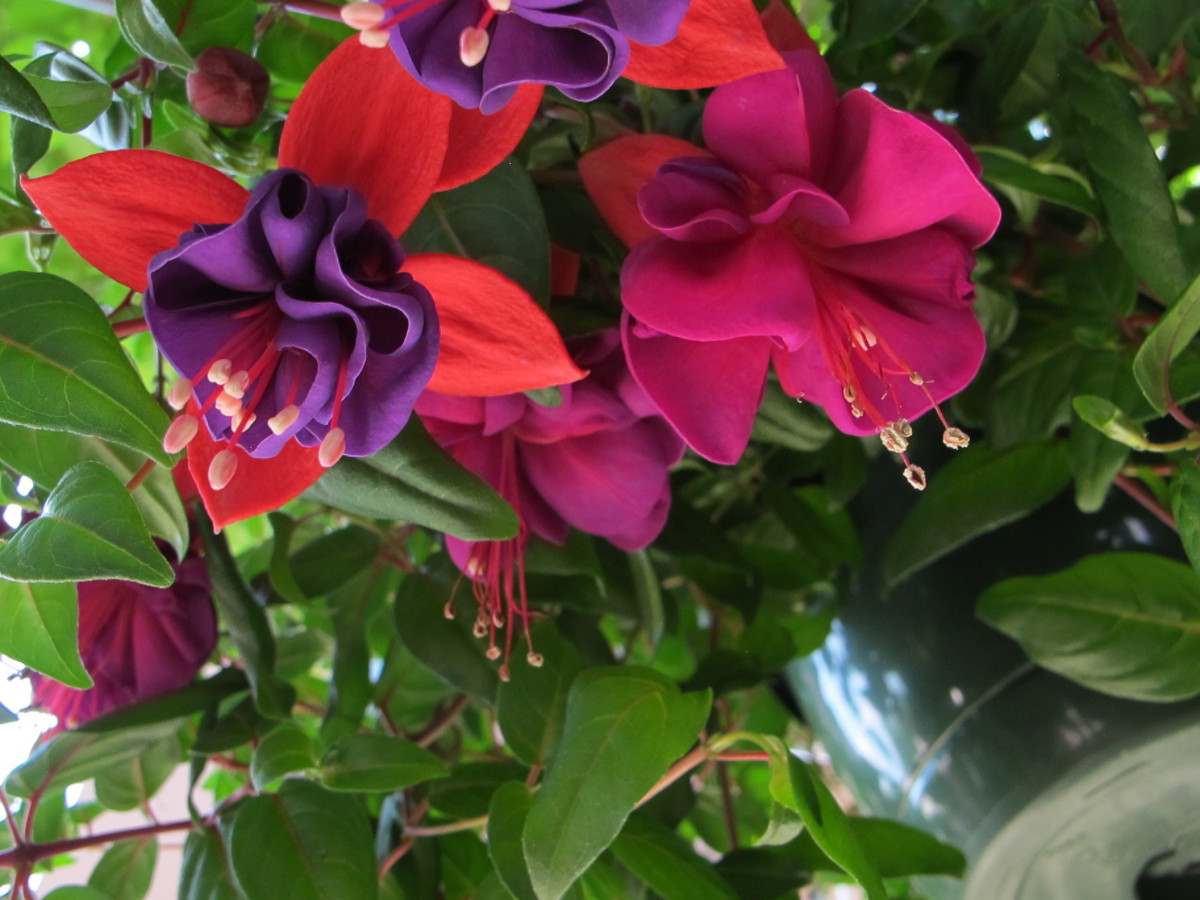

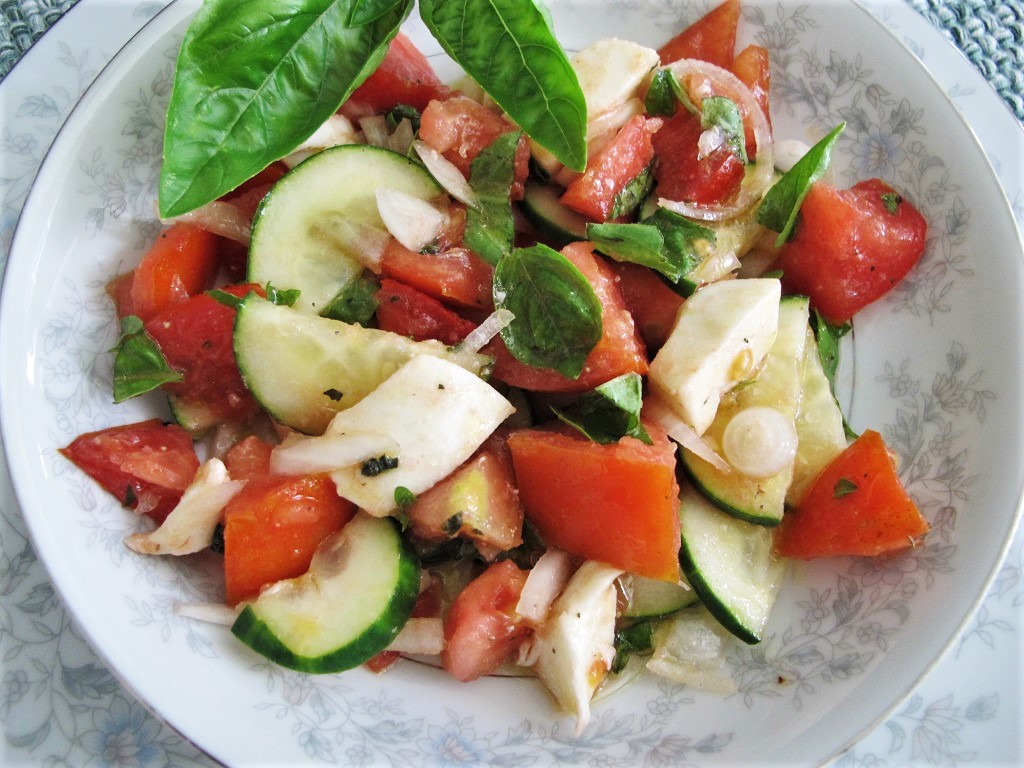

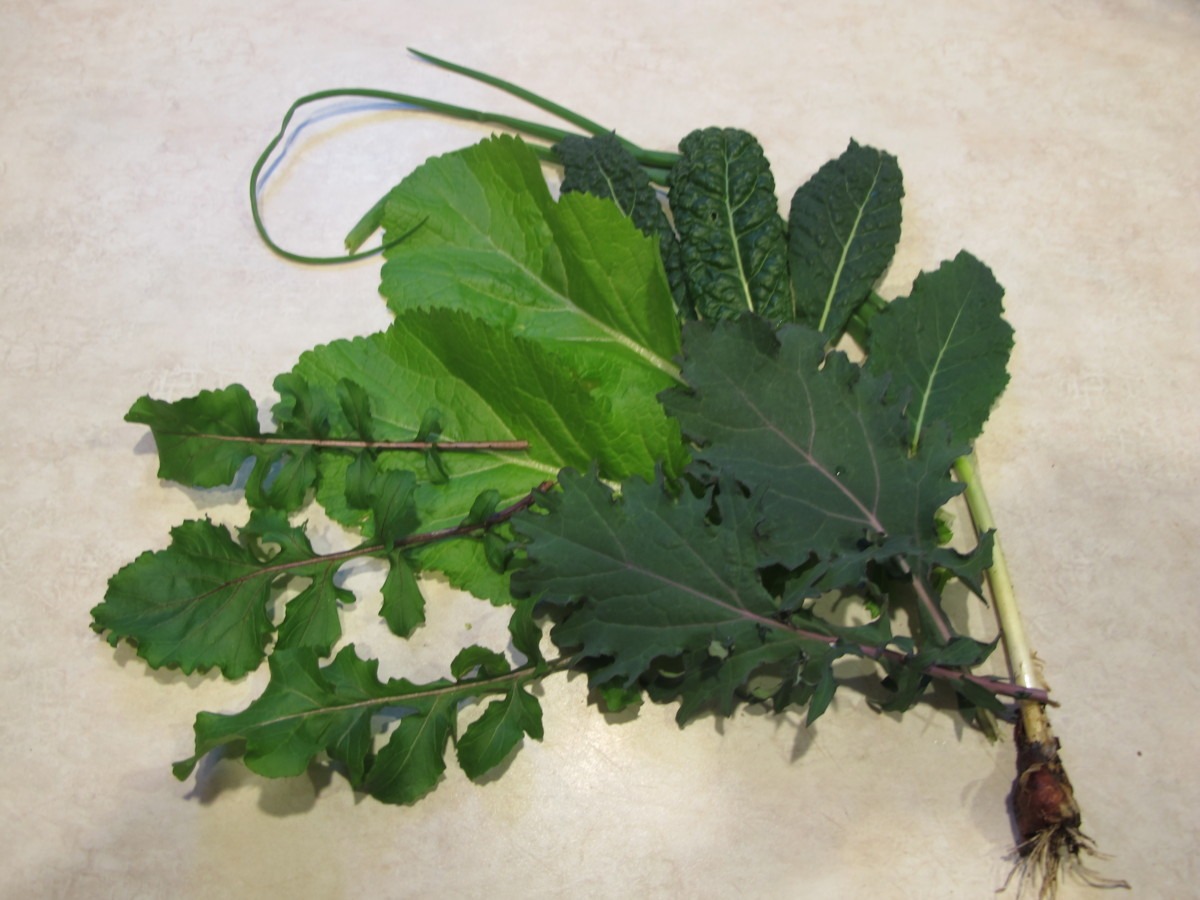

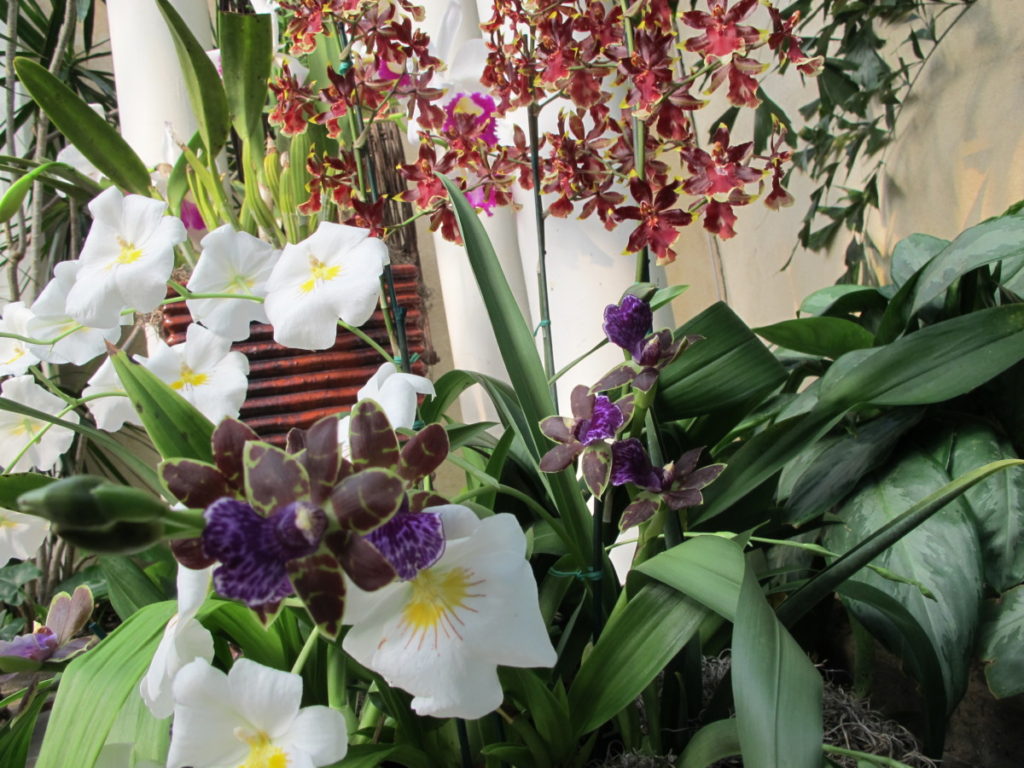
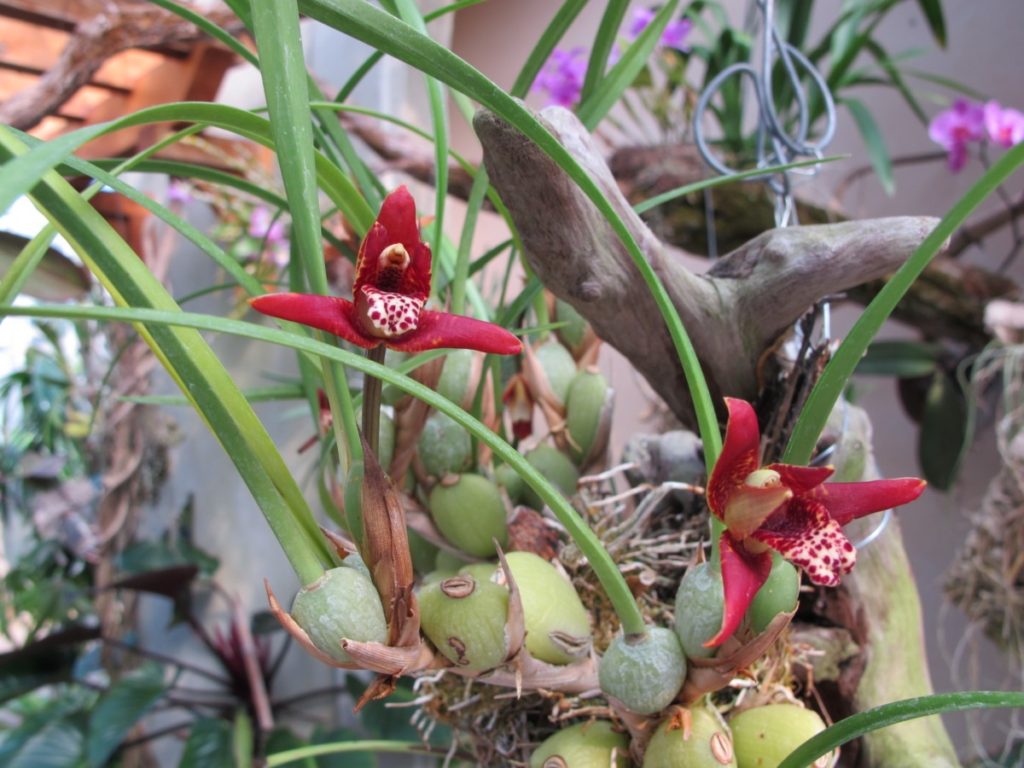

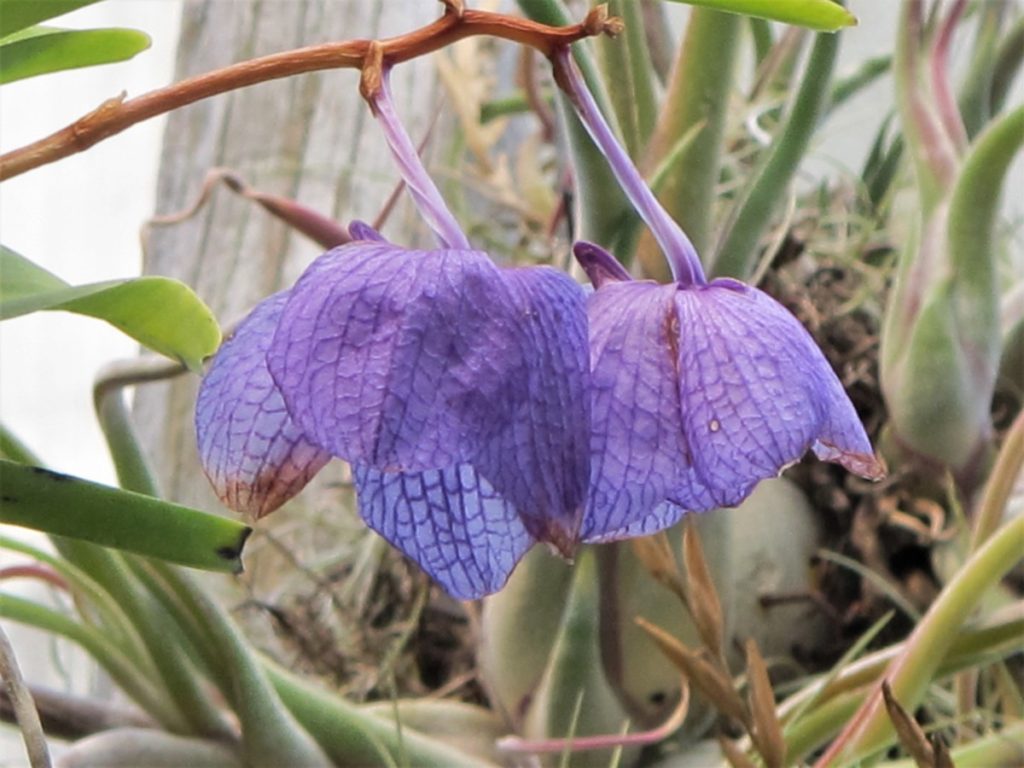
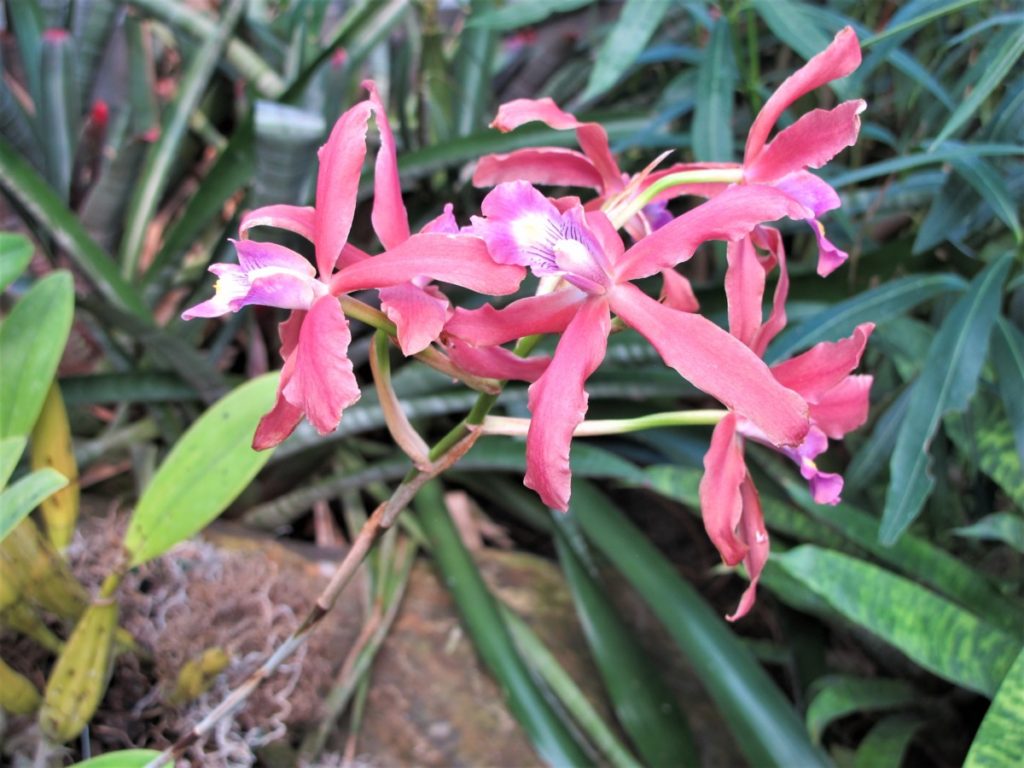




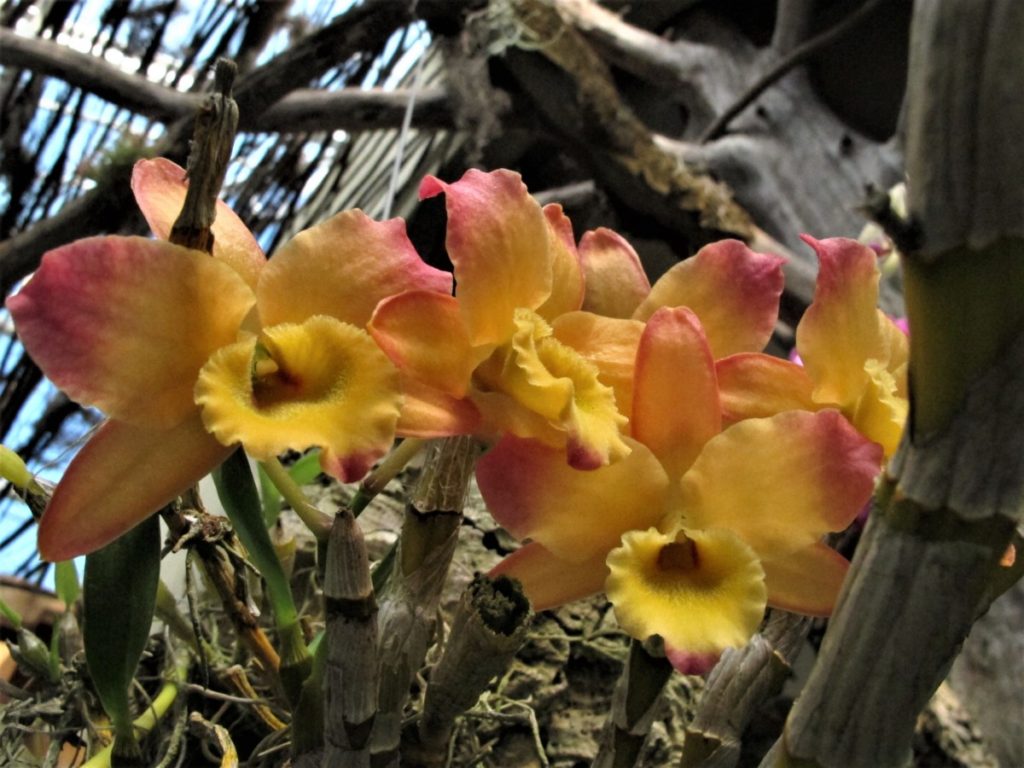

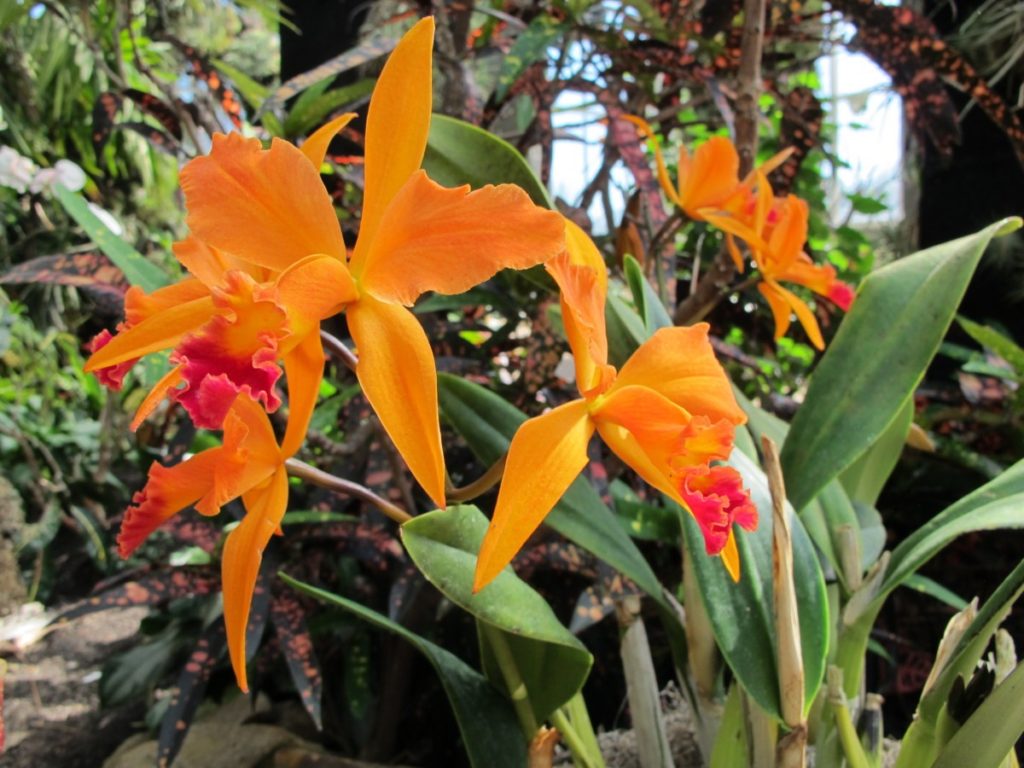
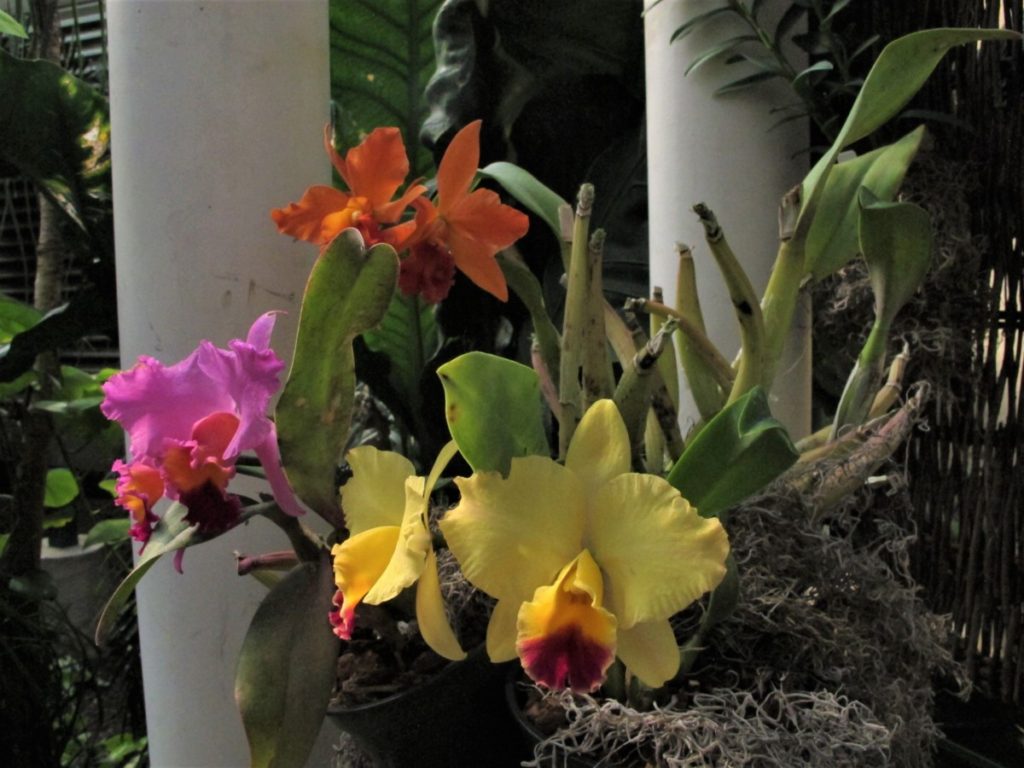
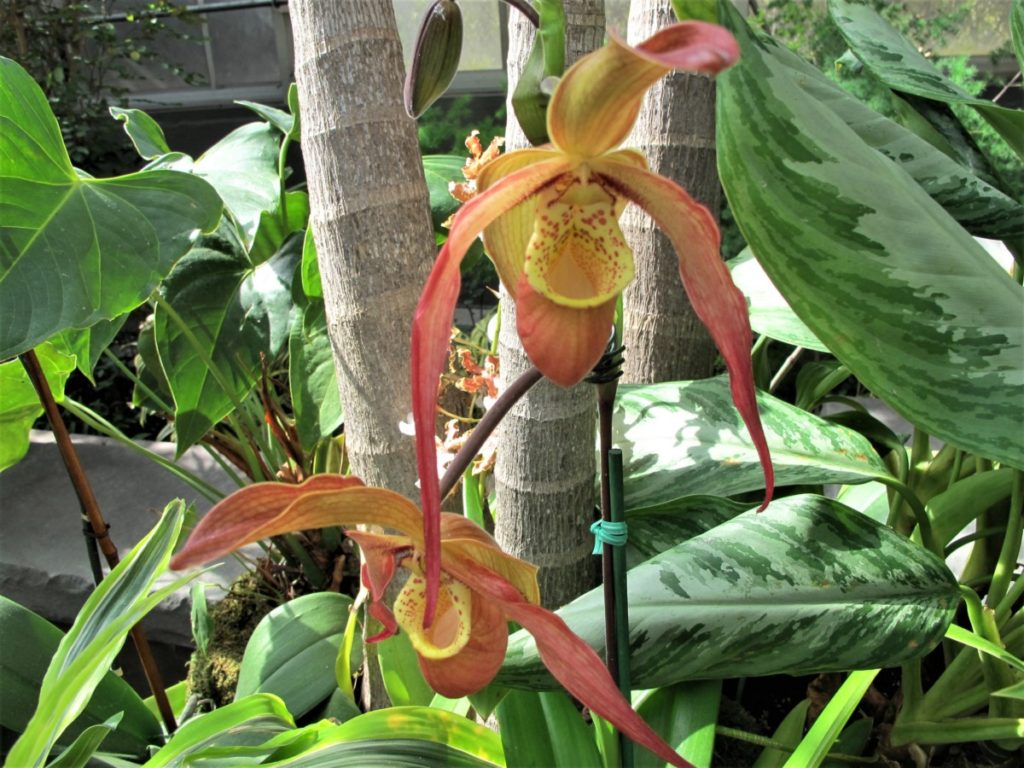
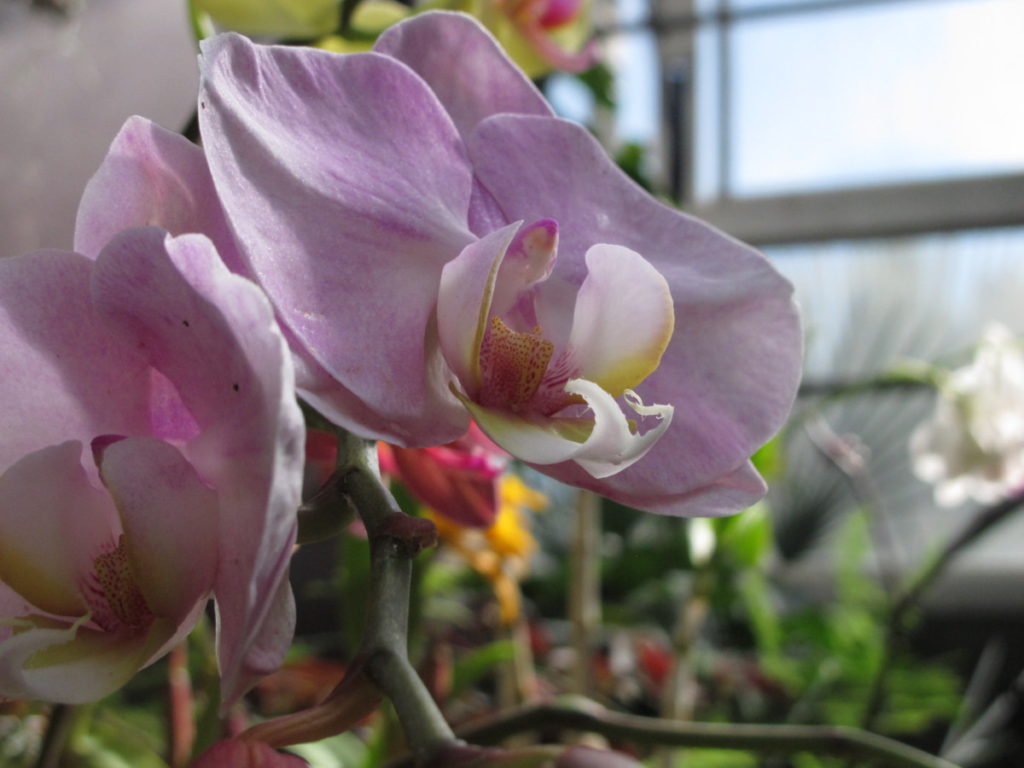




















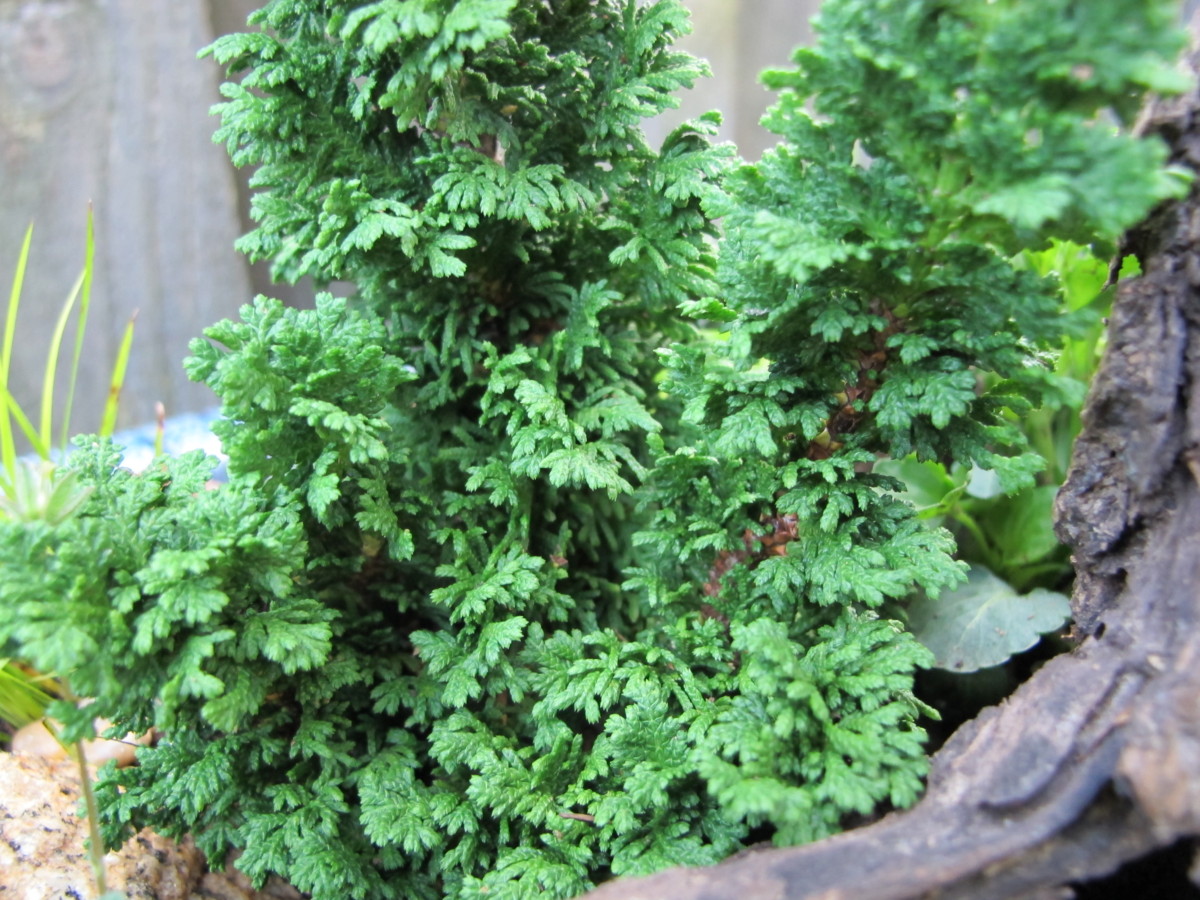
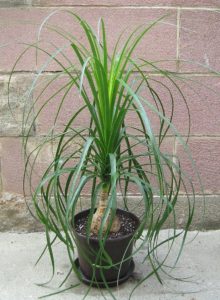
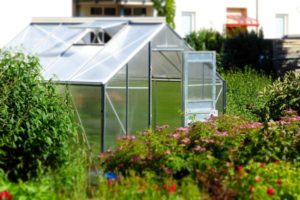 Providing a greenhouse atmosphere—warm, humid, and sunny—keeps your houseplants in much better condition, even through the shortest days of winter. Optimal light levels increase rates of photosynthesis, respiration, and transpiration. As a result, they might grow almost as fast as they did in June.


 Schirra was the only astronaut to have flown in 3 NASA programs–Mercury, Gemini, and Apollo. The borough of Oradell, New Jersey, celebrated his accomplishments with a joyous red-white-and-blue parade down Kinderkamack Road to Oradell Avenue. Yes, I was there.












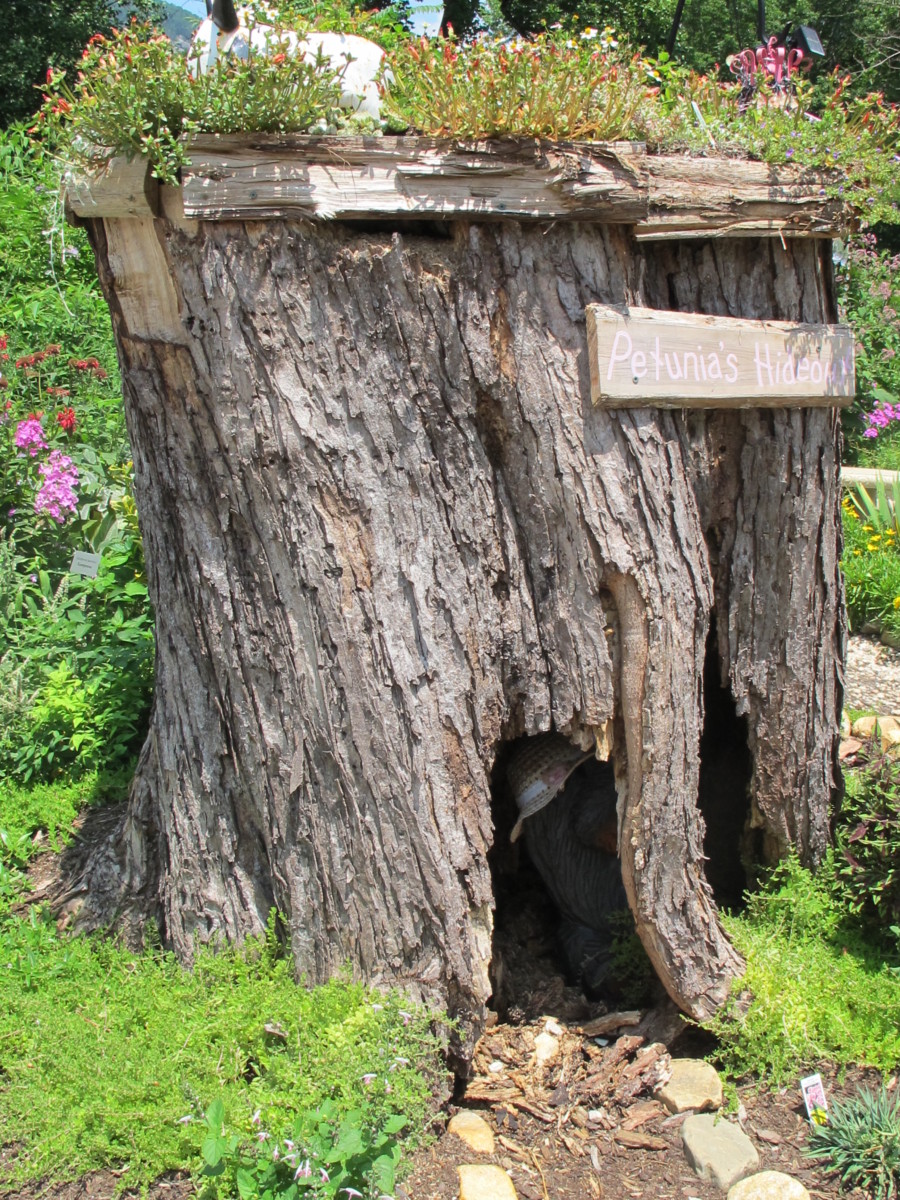





















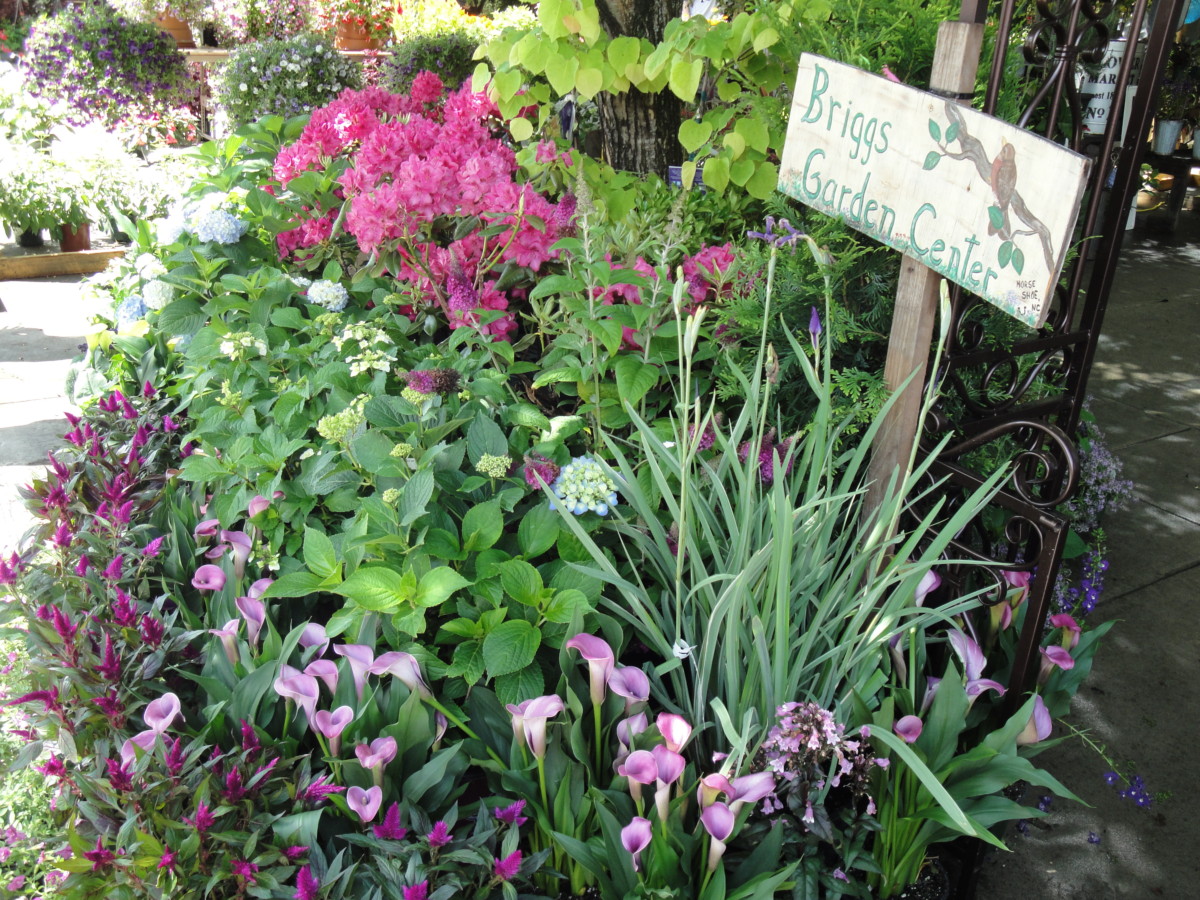
 I started the day at Brigg’s, after finding a shady parking space. They had lots of annuals, perennials, and shrubs, including blooming hydrangeas. A few pots of blue/lavender Hydrangeas clustered around a blue ceramic seat created a lovely color combination.
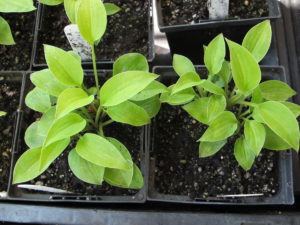
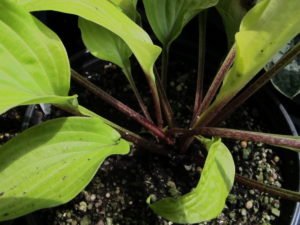
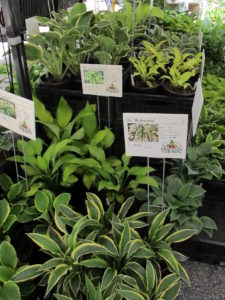
 Landy’s Woods, Nebo NC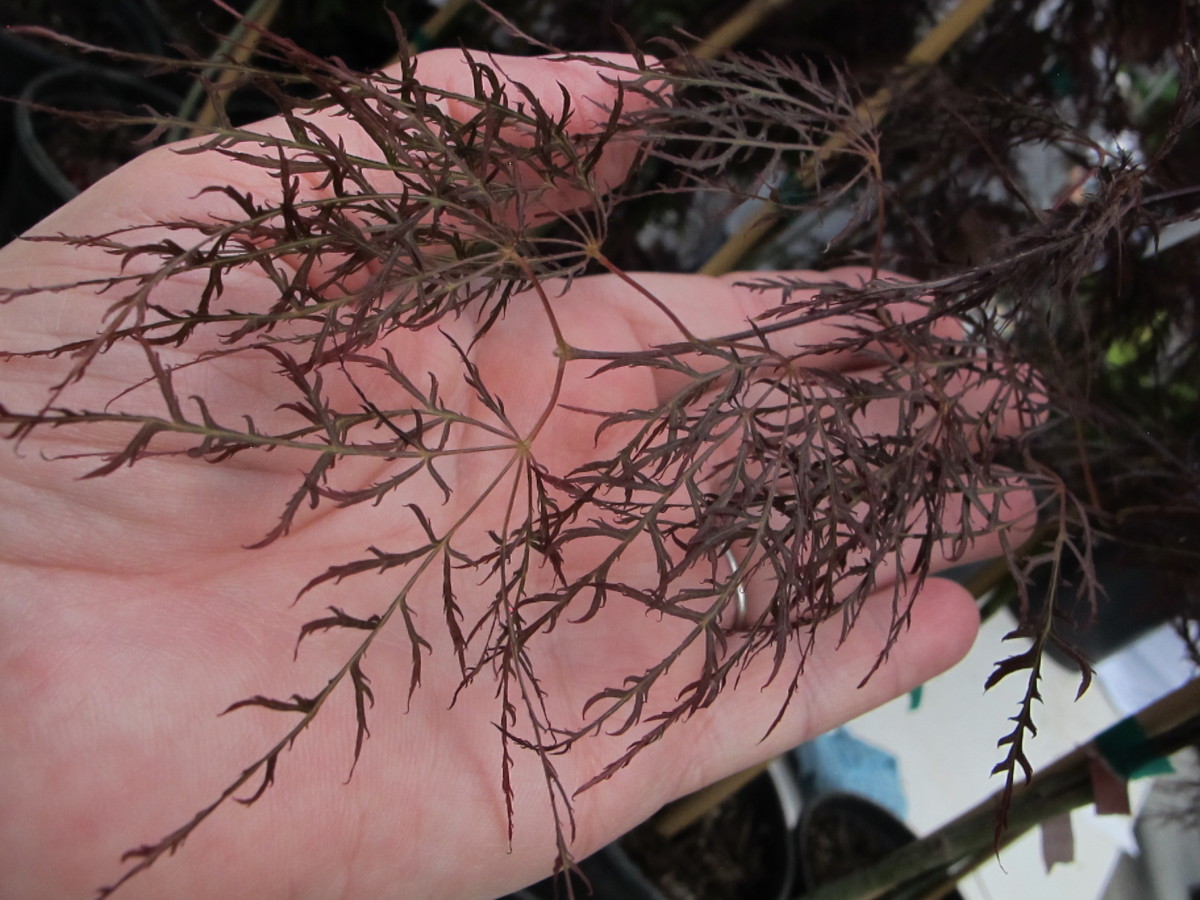
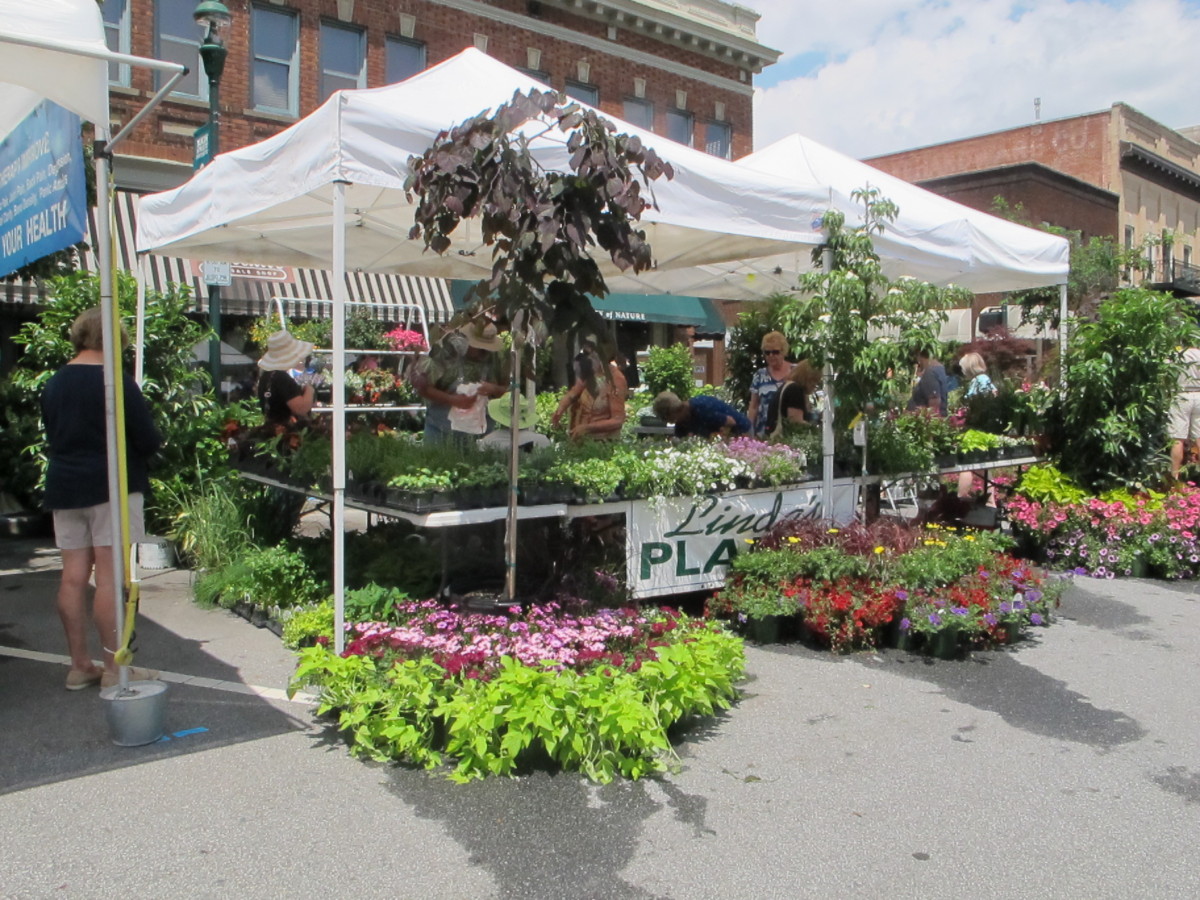
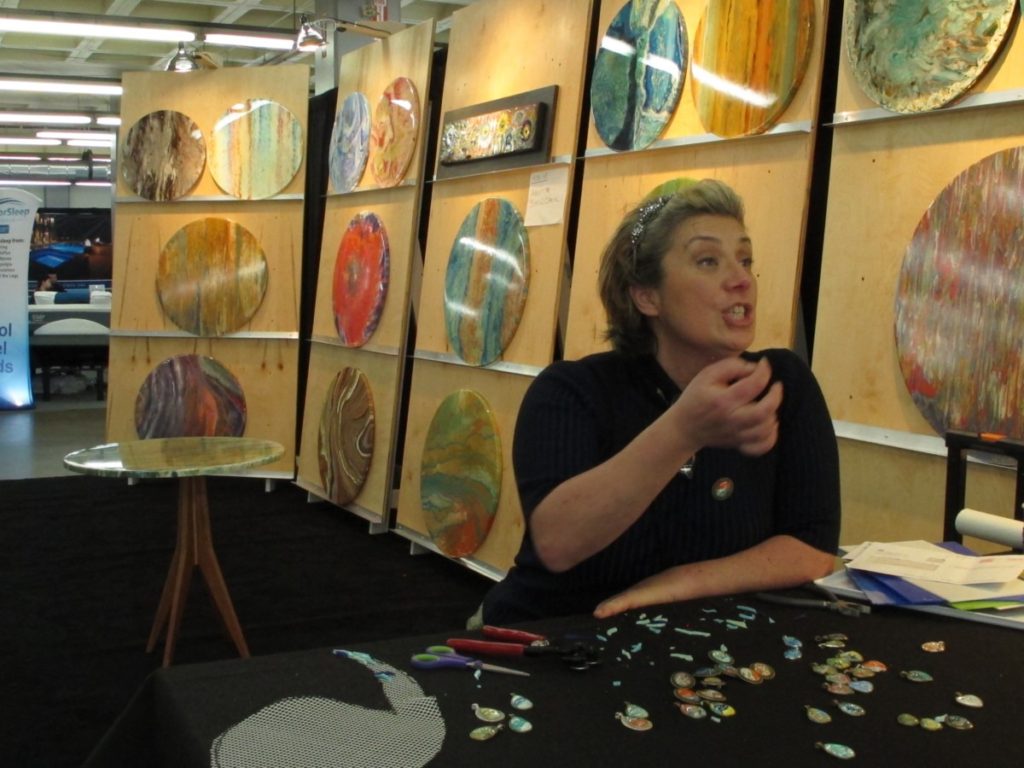
 Karen had hundreds of glass-covered pendants for sale. Images in a broad range of subjects (birds, zebras, plants and flowers, religious, inspirational, insects, graphics, music…).
 Caristo Jewelry Designs, Asheville NC
 “Plants-Produce-Cannabis”

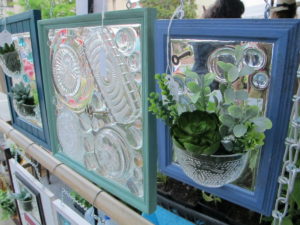 “Vintage Framed Memory Art & One of a kind collectibles”
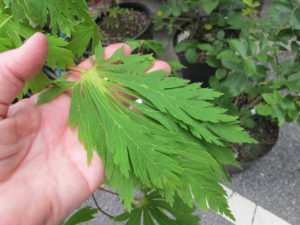 High Country Nursery
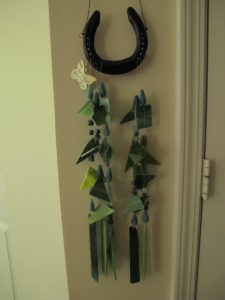 Windy Mountain Chimes, Asheville NC


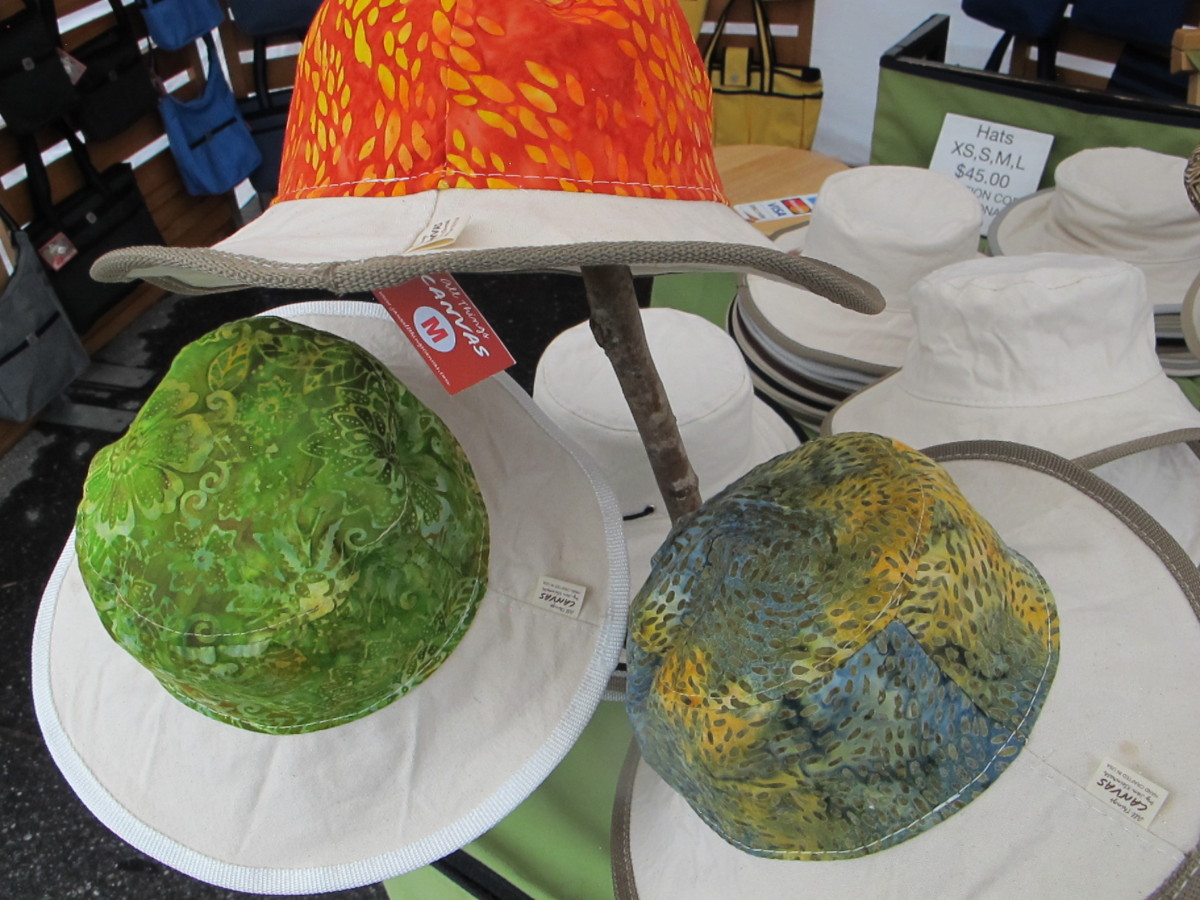
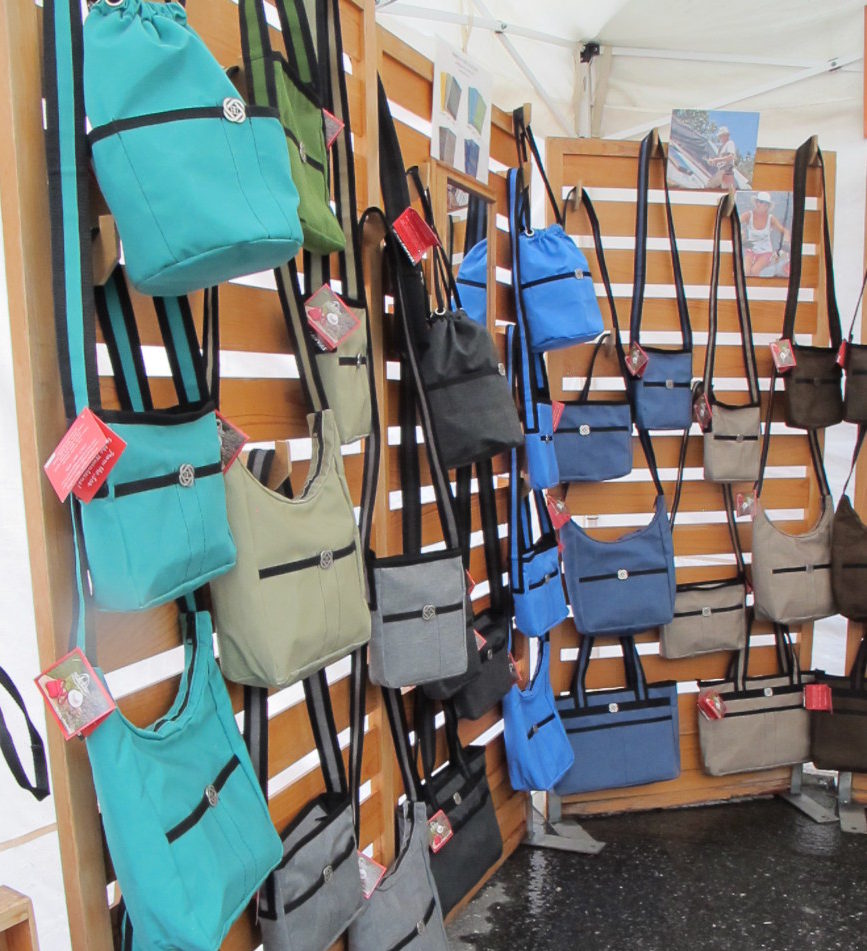
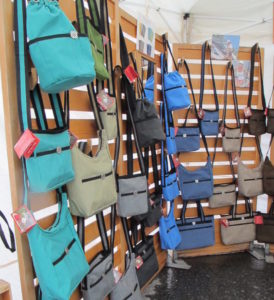 All Things Canvas, Bryson City NC












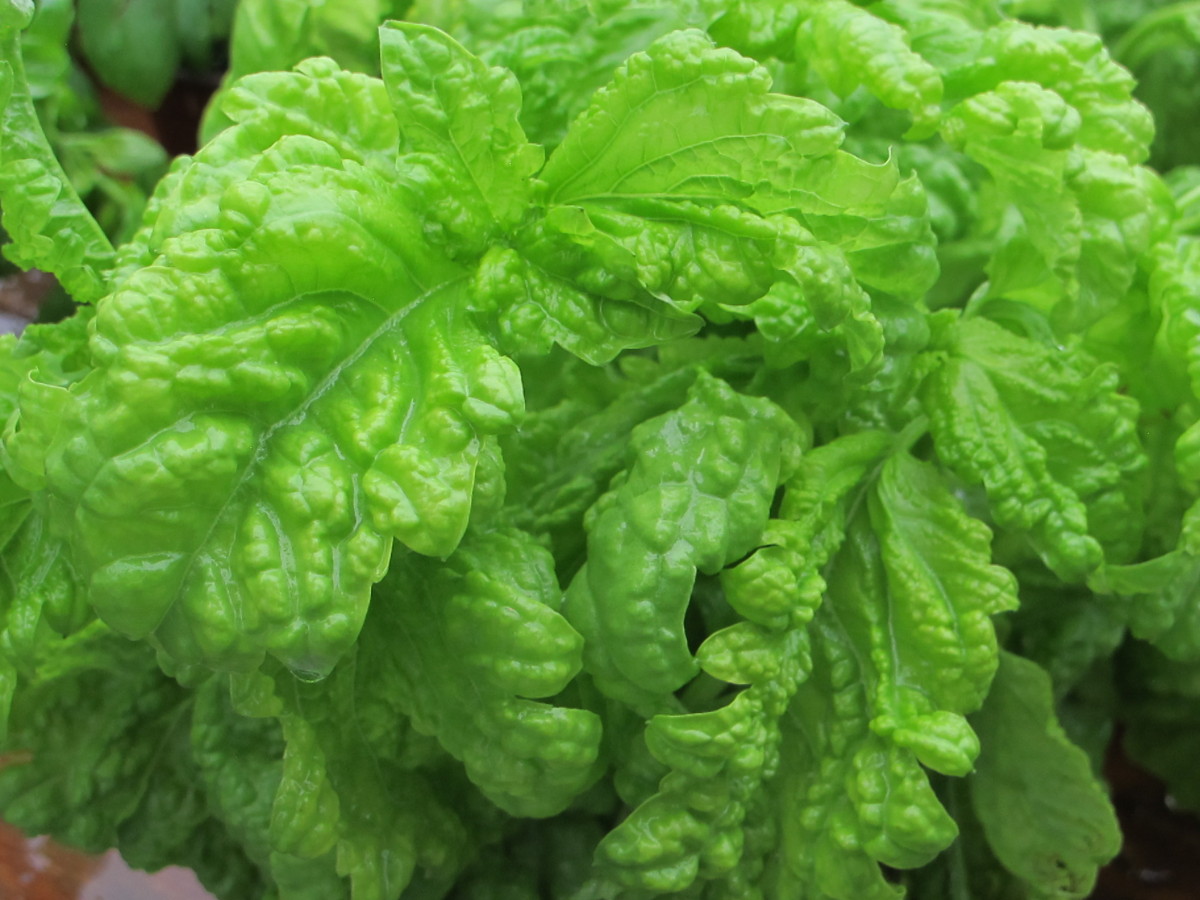
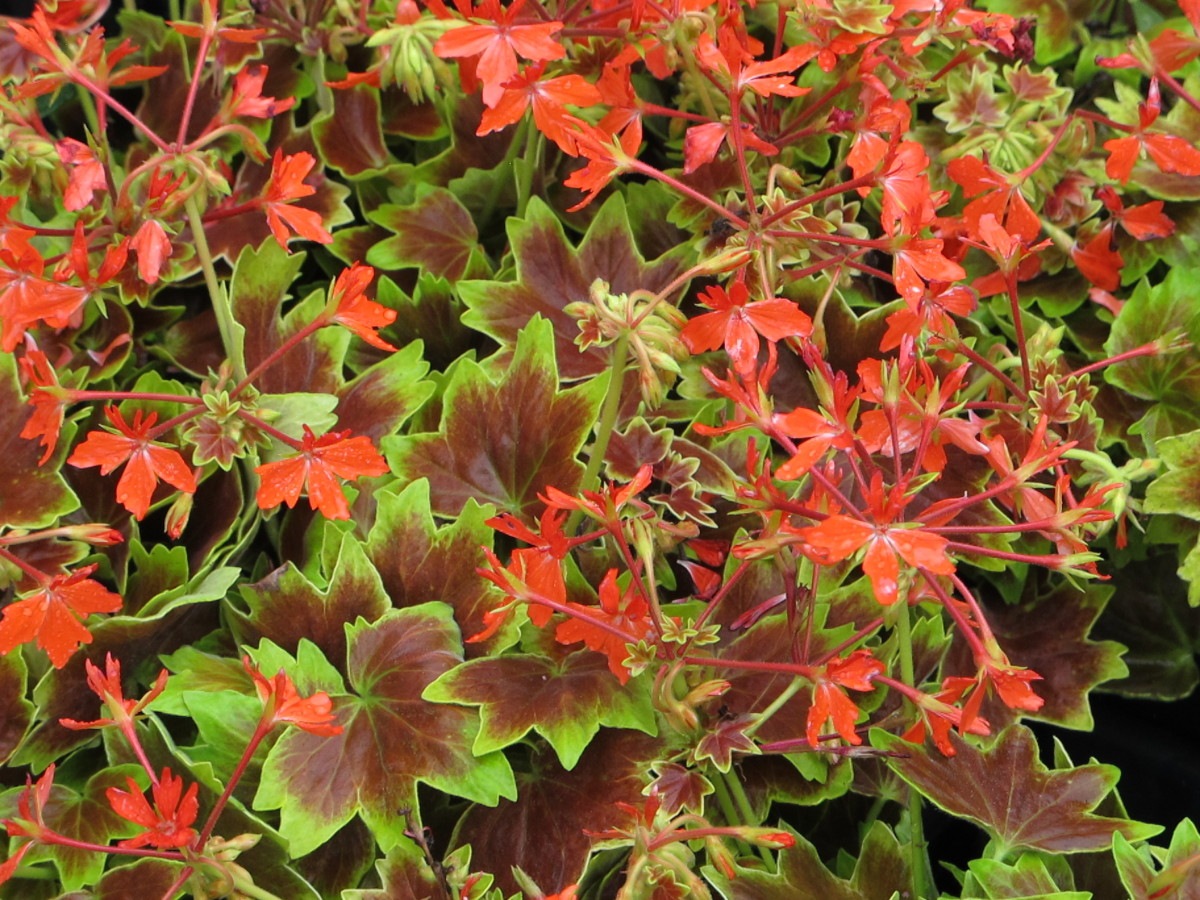
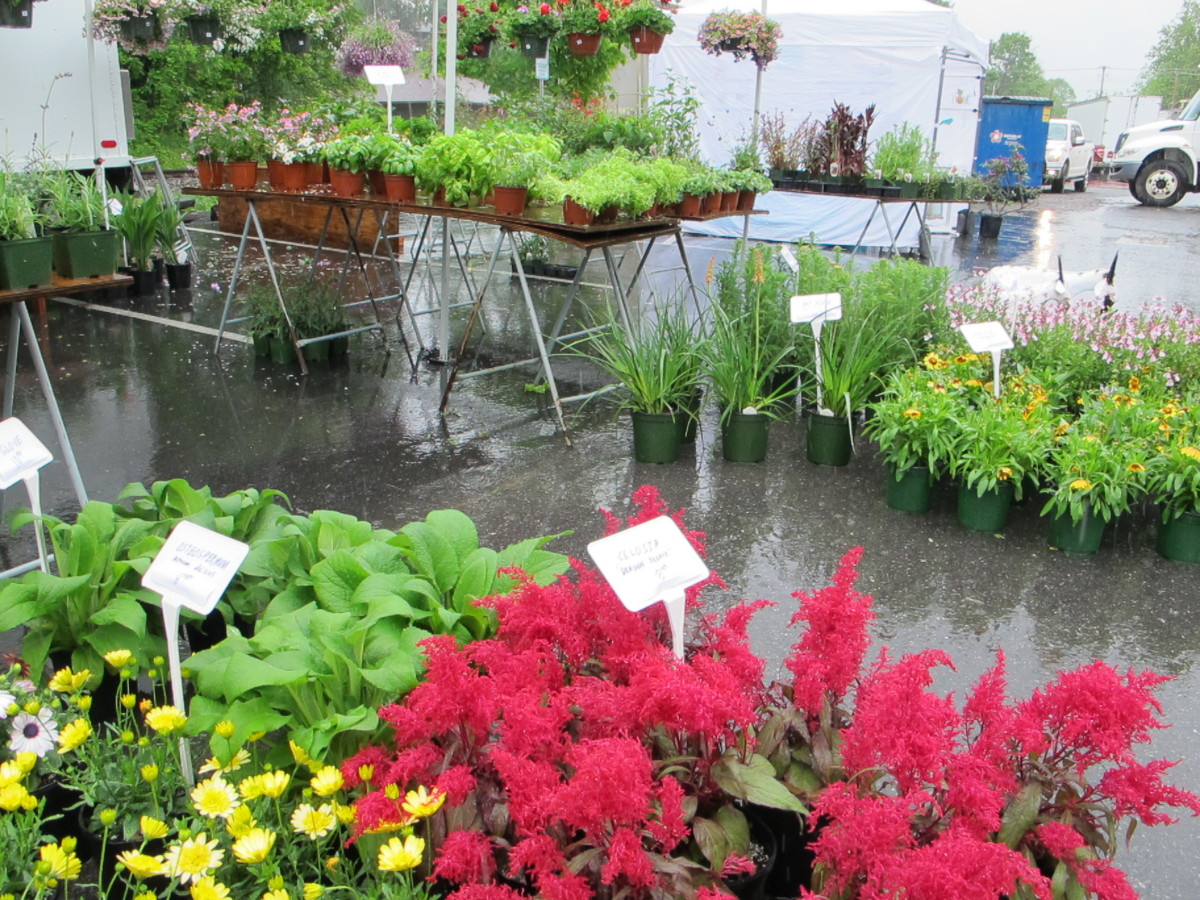

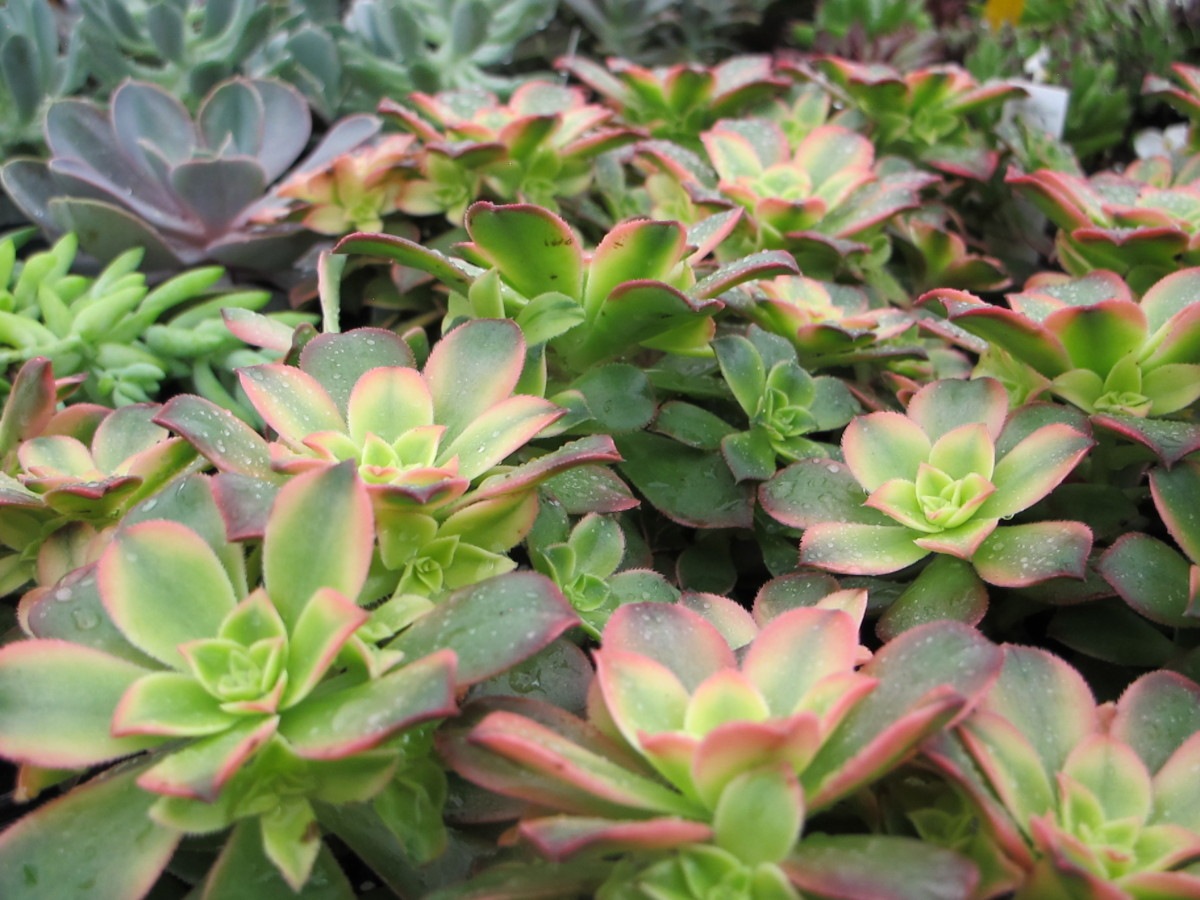
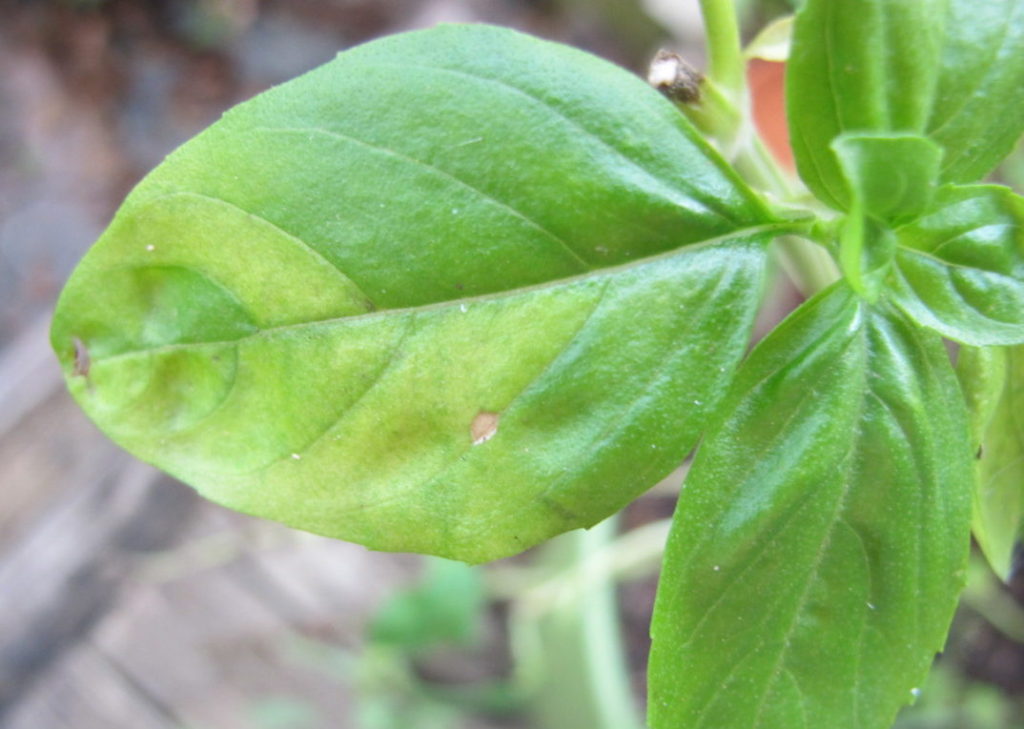
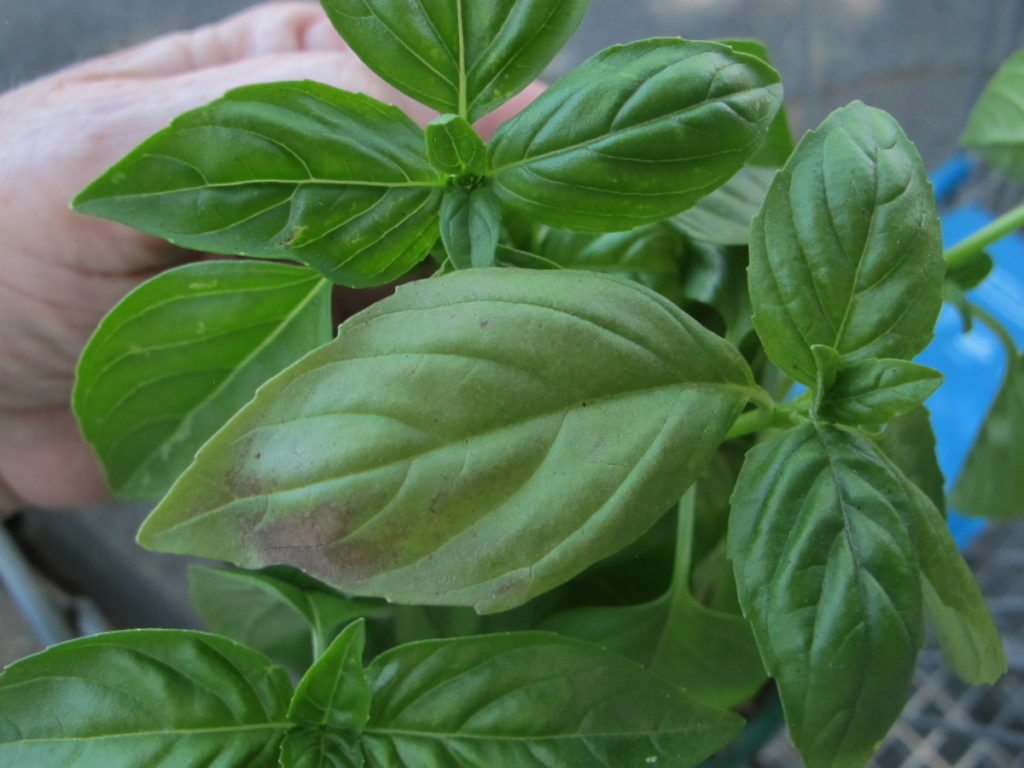
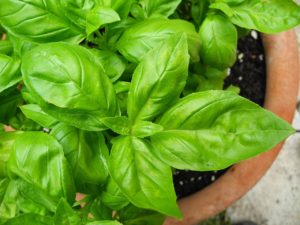
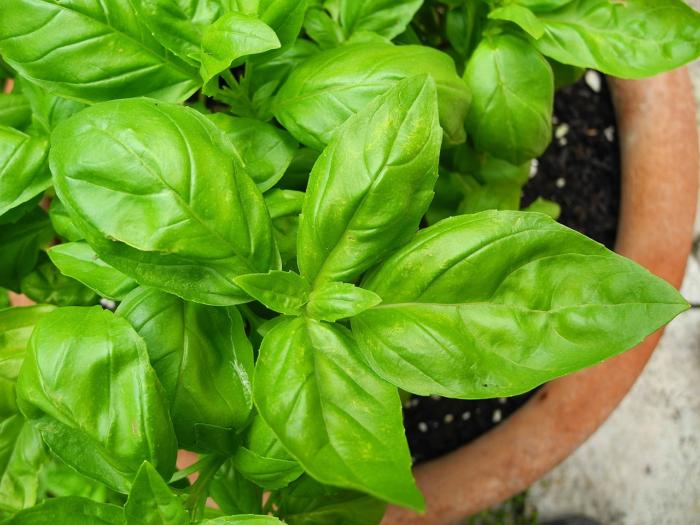
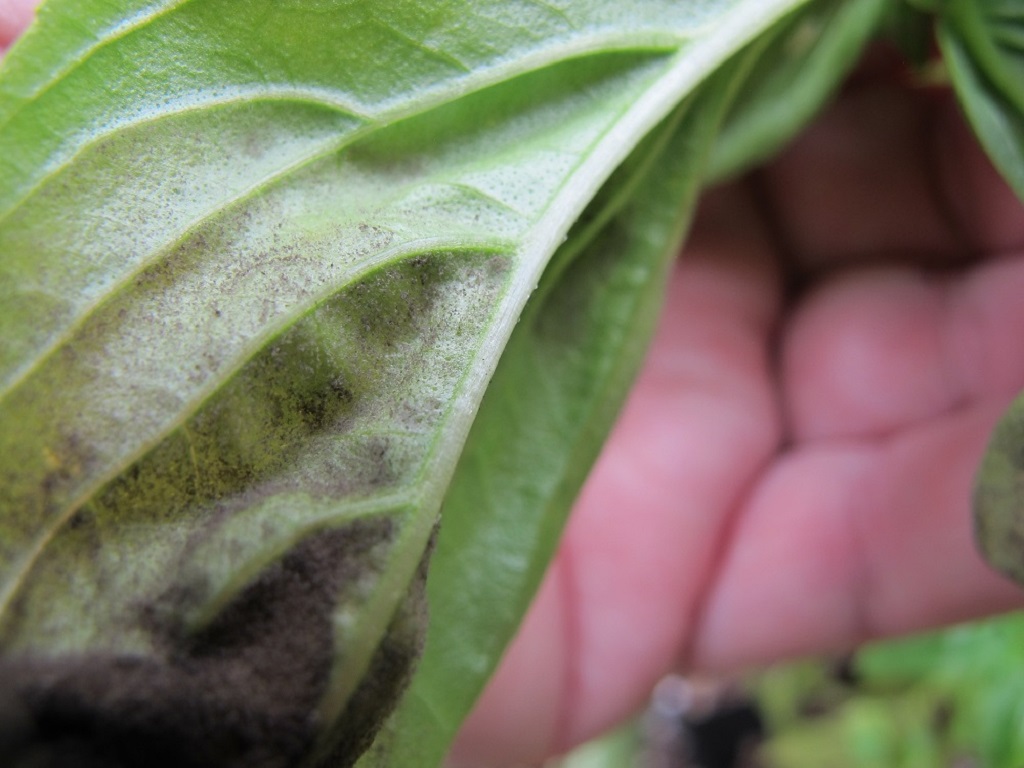
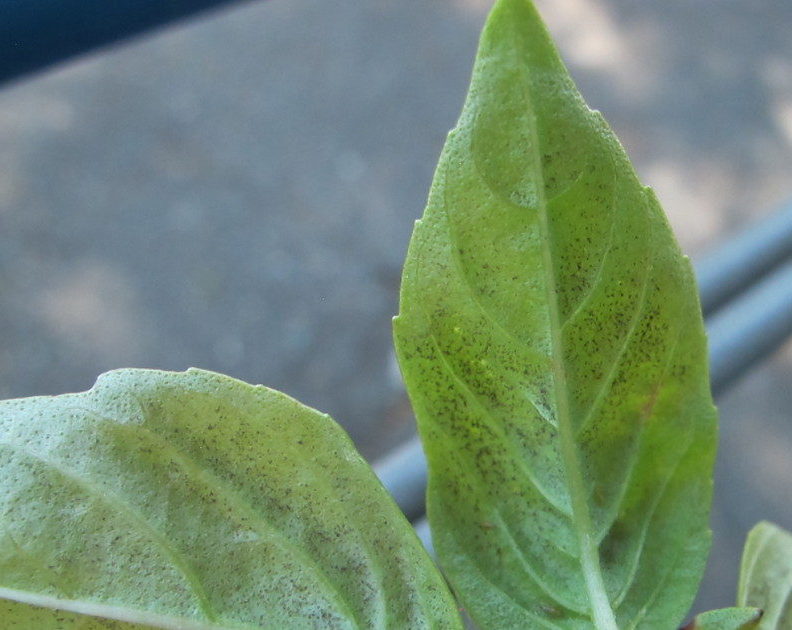
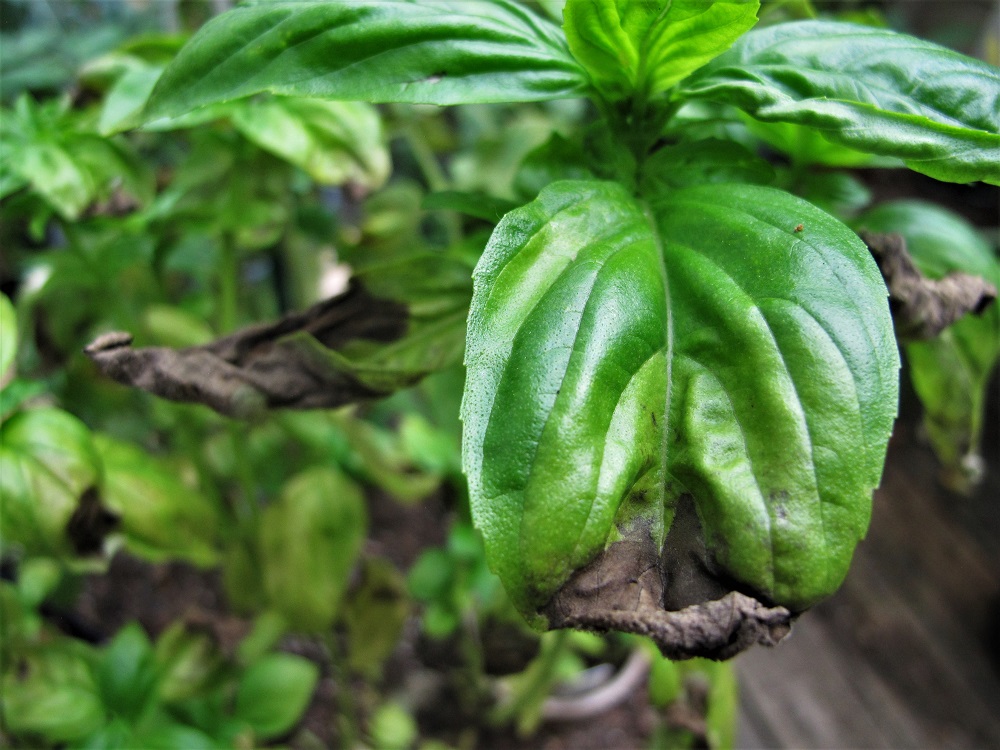
 …Yes we can! Growing basil in pots is the answer! Take the pots indoors in rainy weather to prevent spores from germinating.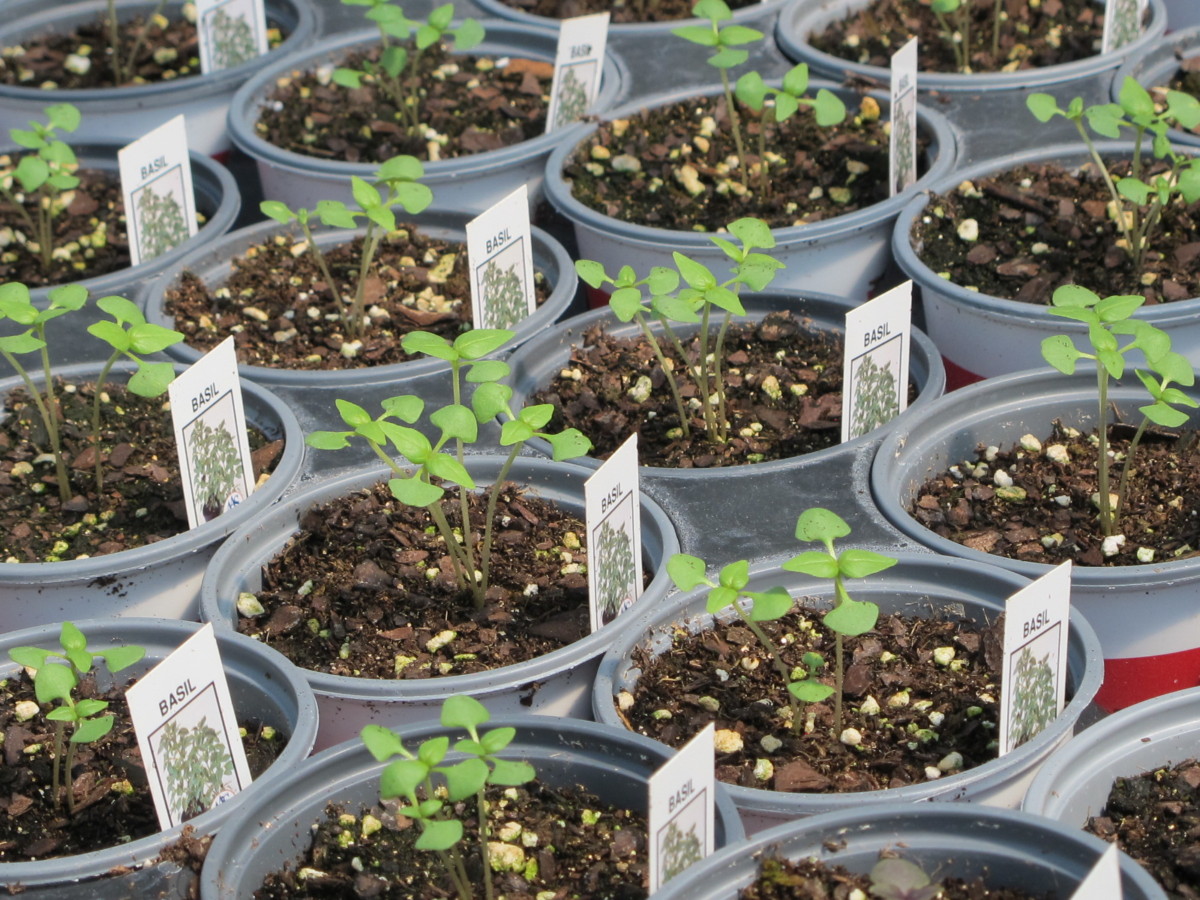
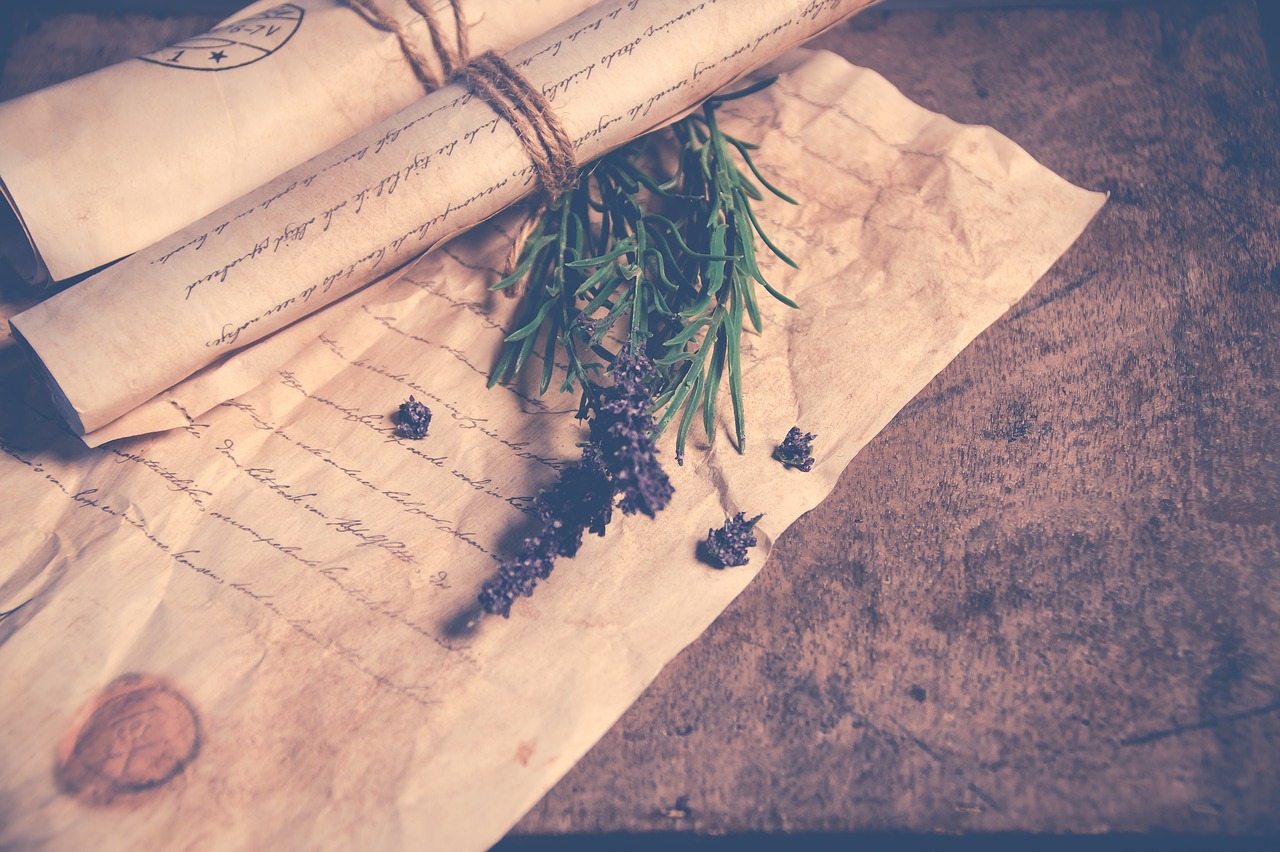

 Other healing qualities of lavender were recorded in the 3rd century B.C., when Greek physician/philosopher Theophrastus (c. 372-287 B.C.) wrote of them in Concerning Odours.



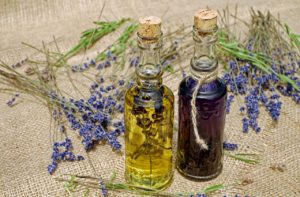 As a strewing herb on floors, it gave out a fresh scent when walked upon. Women sold bundles of lavender, called Tussie mussies, on the city streets. The scent became synonymous with purity and cleanliness.
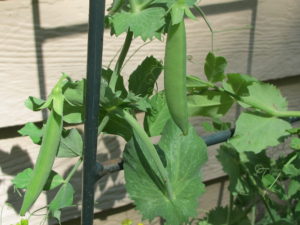
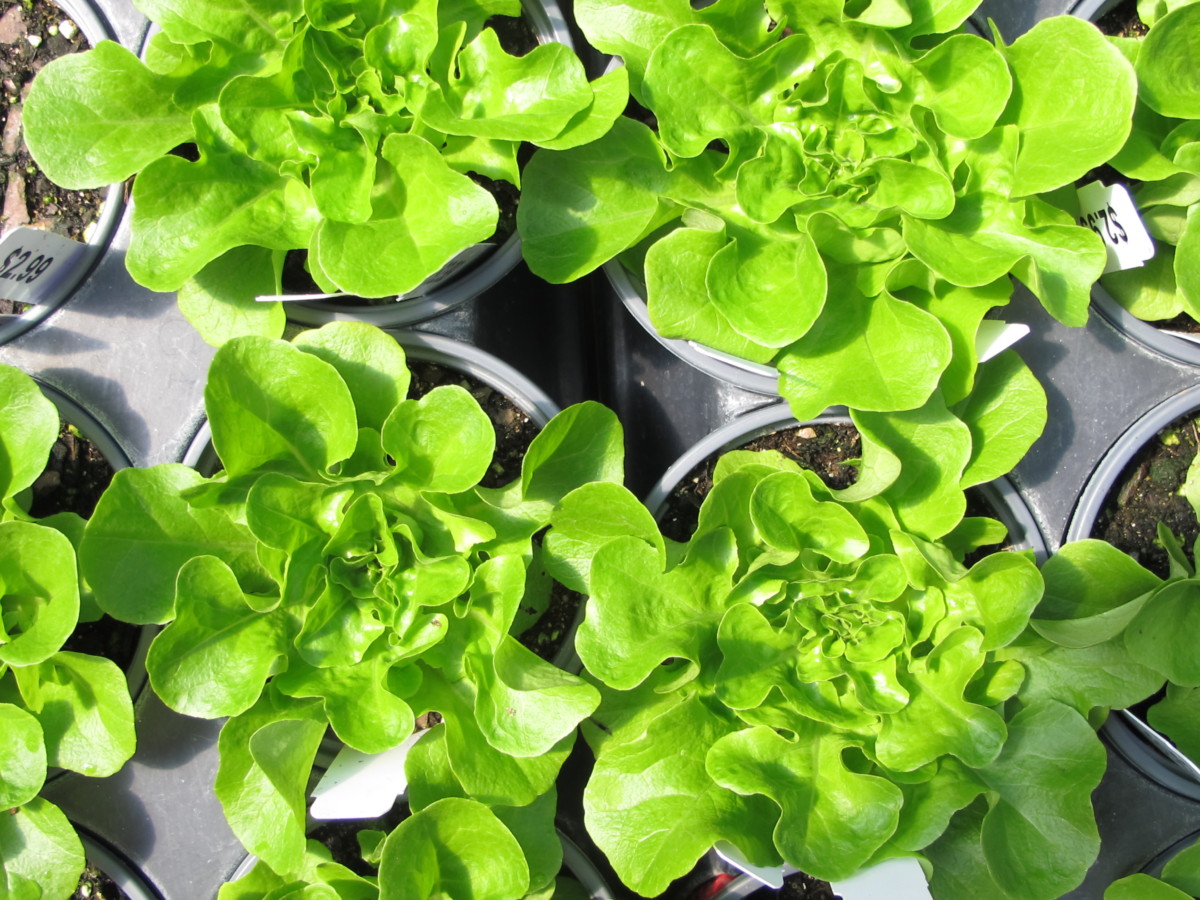
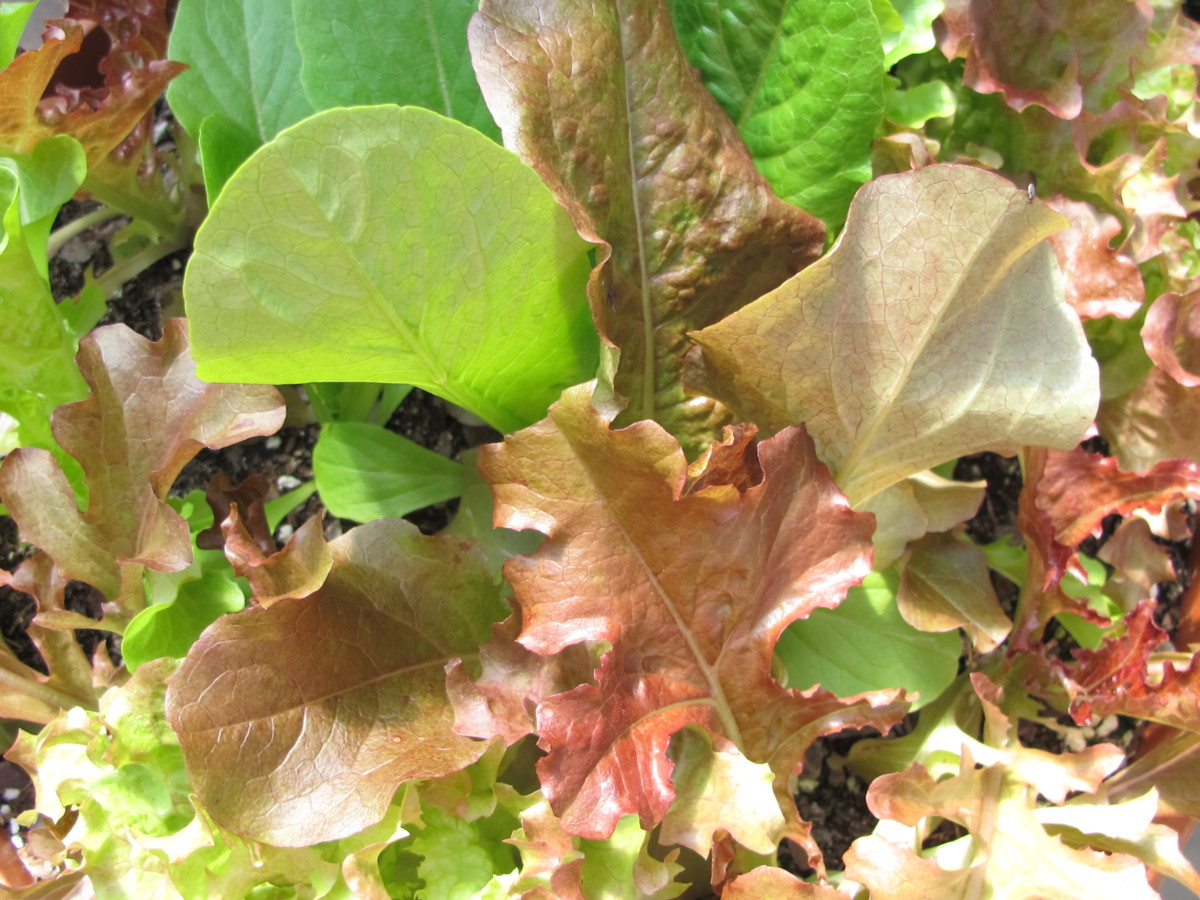
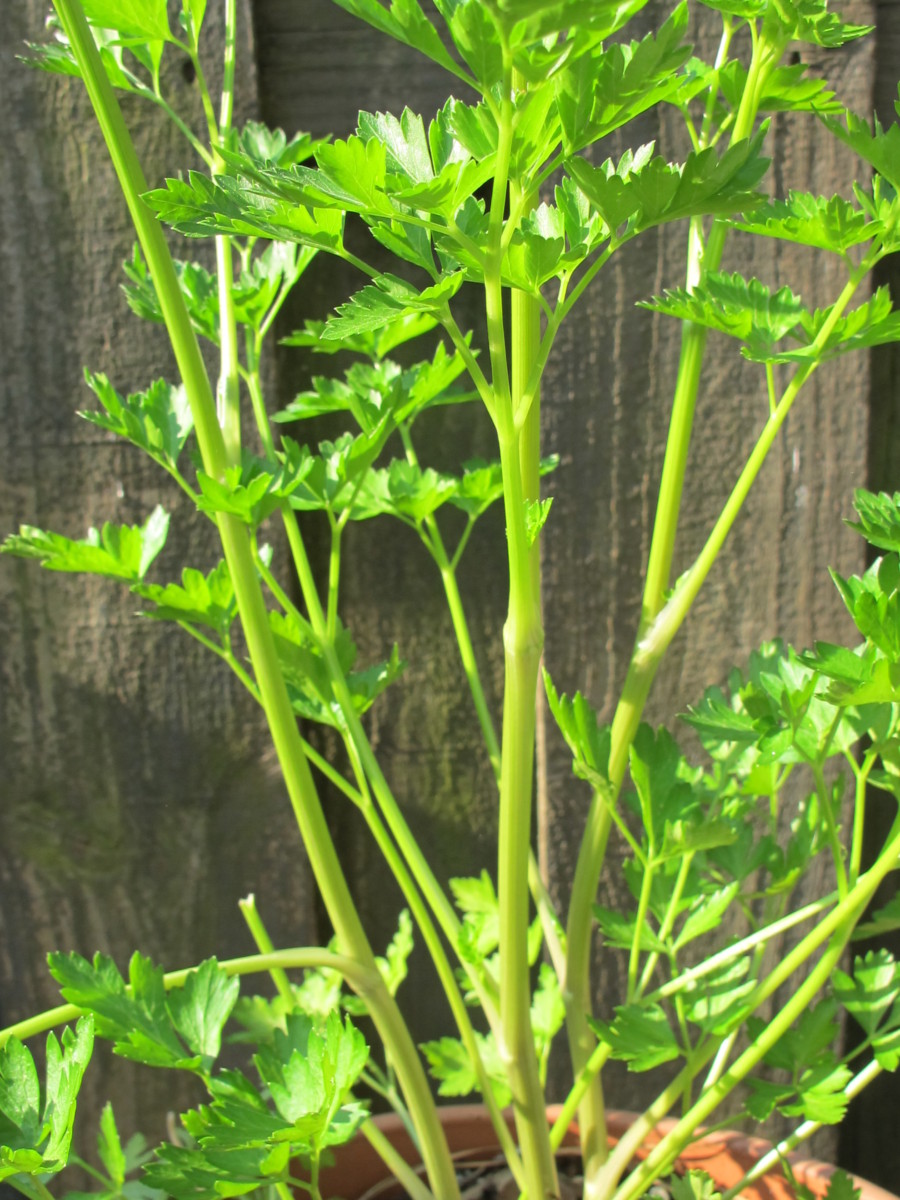











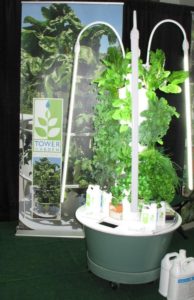 You can harvest an impressive amount of produce from this ingenious hydroponic (soilless) system using a vertical growing “field”, where many pockets hold various plants.
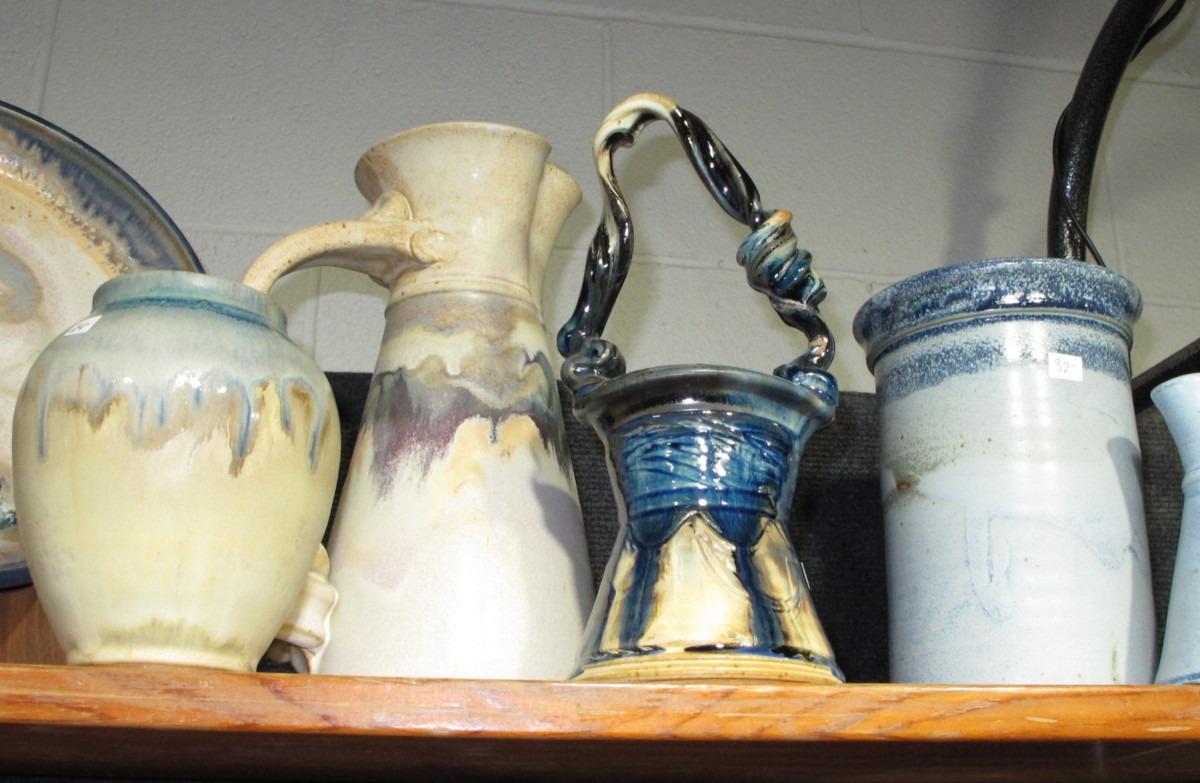
 I love pottery. In front of me is a glazed blue coffee mug (no, not from Dan) I bought over 35 years ago, when my brother and I went to a craft show in New Paltz, New York. This illustrates how these items become members of the family, integrated into our lives…mine anyway. There’s something about bringing home a piece of art that was handcrafted by a real person rather than by a machine.
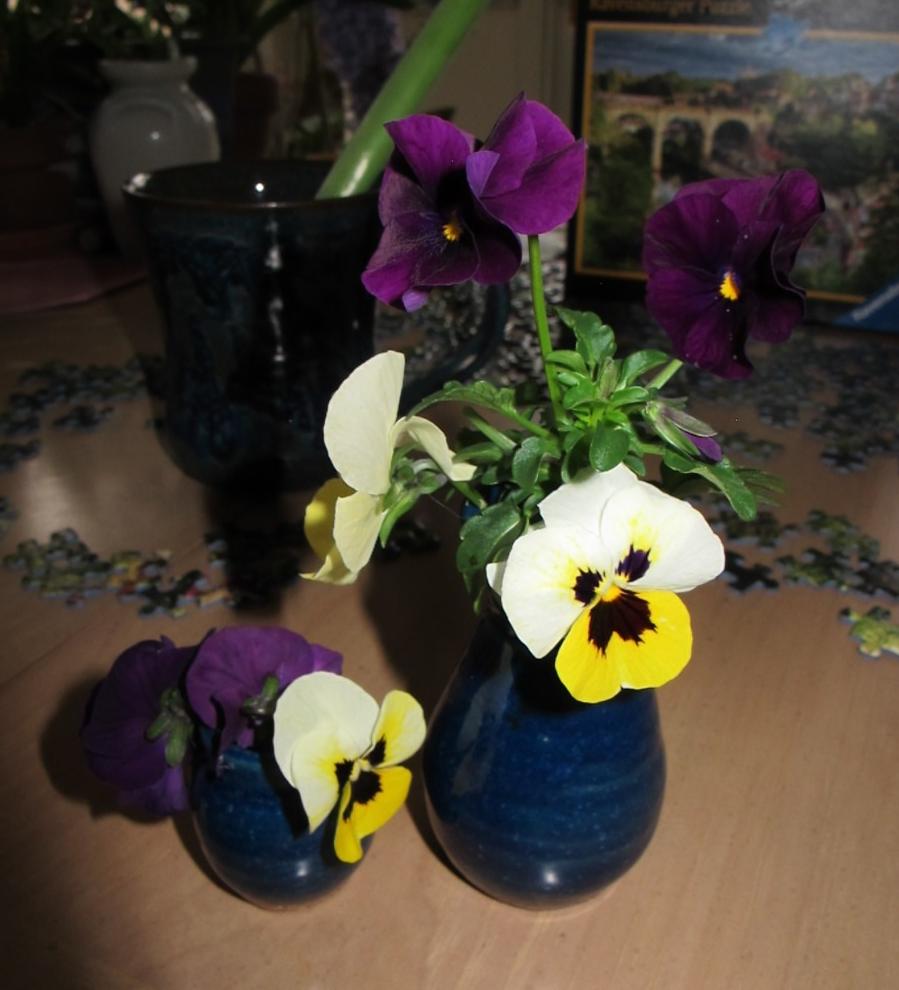









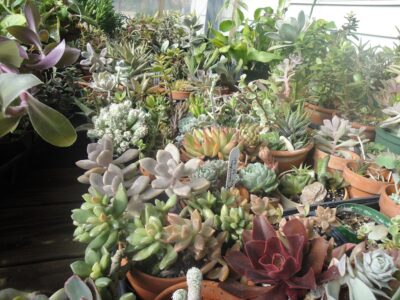
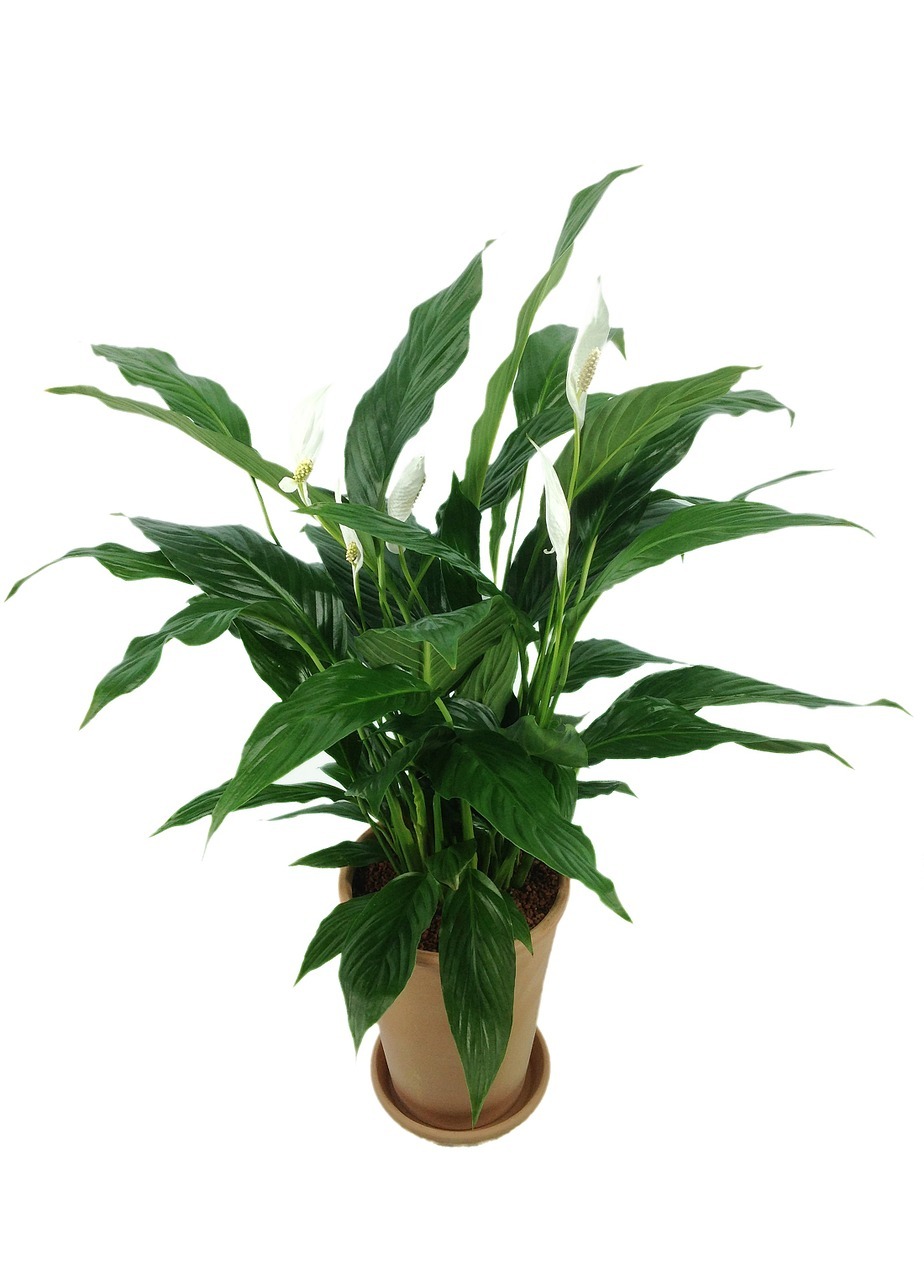

























 Tiny fingers gingerly grasped their bounty. I saved small bags and newspaper for the occasion, but most were content to carry the pots. They excitedly passed them to their parents, who responded with “Thanks! What a great idea!” I was thrilled that they were thrilled.
 Then we saw two more down the block in someone’s front yard. After gathering the bits and pieces, I had to decide whether to continue doing this in the future.
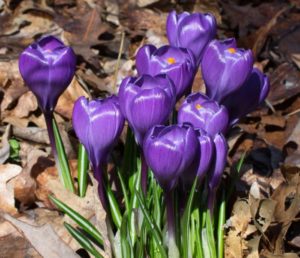
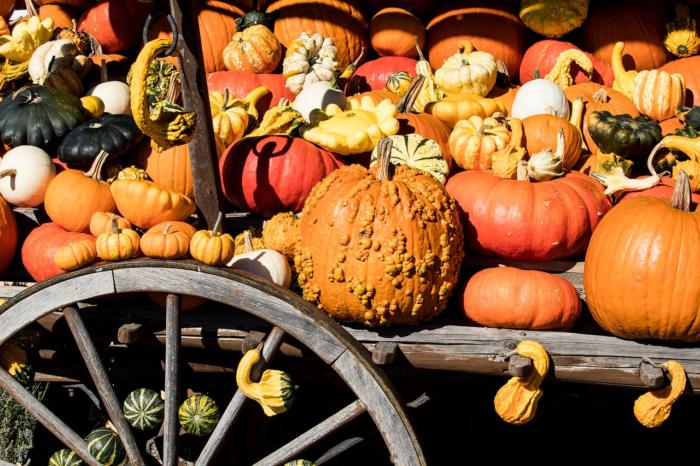

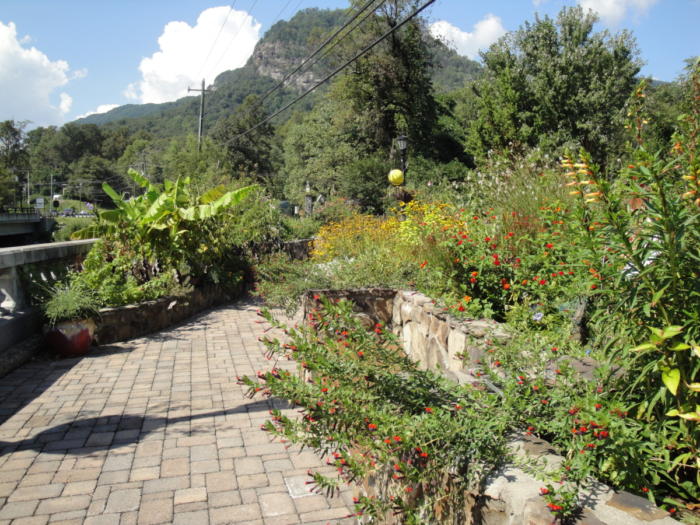

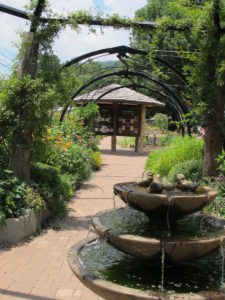
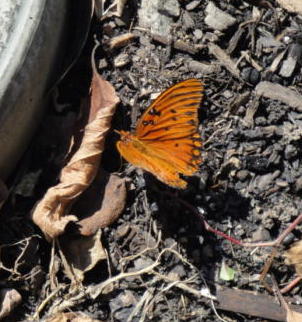
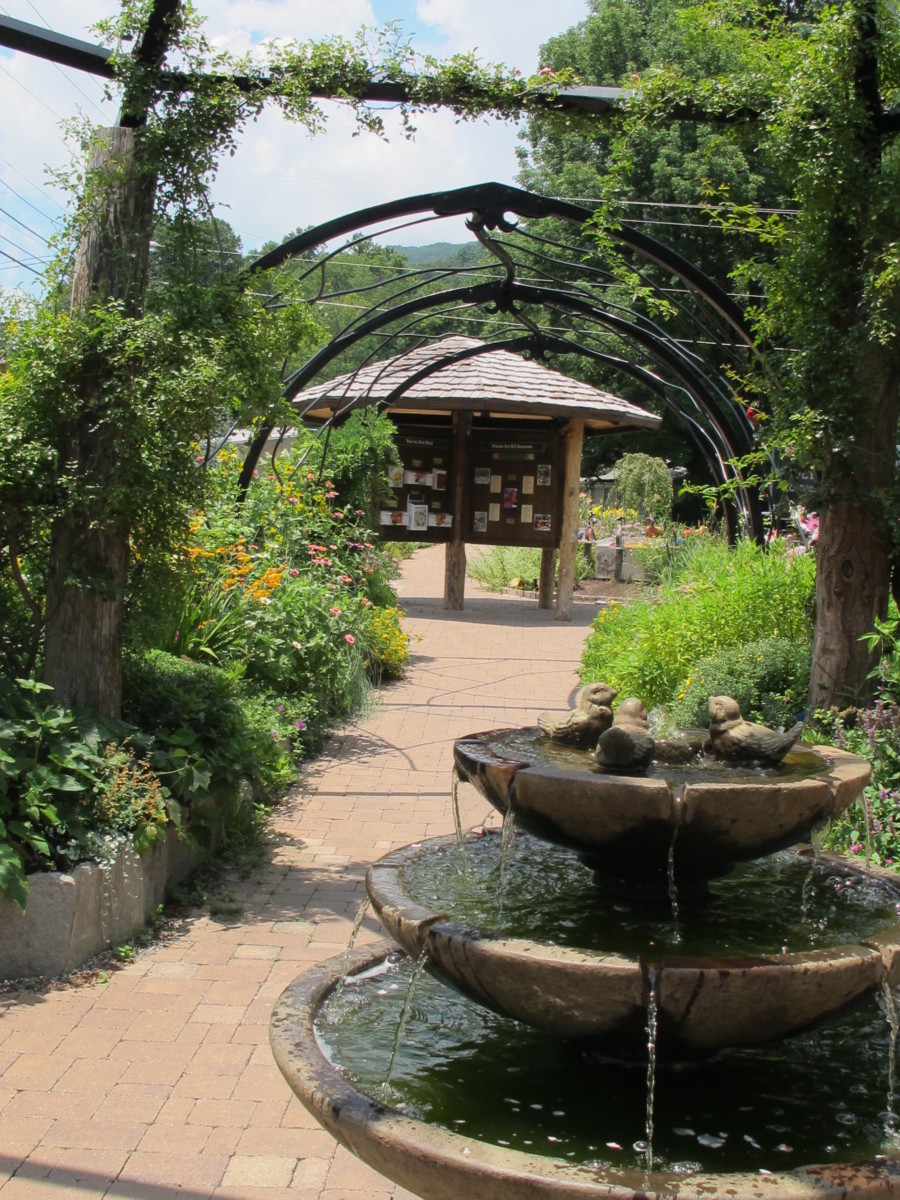
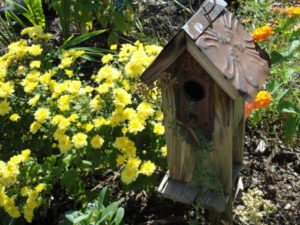 A paved pathway takes visitors through a succession of gardens. There’s an herb garden, a fragrance garden, and one that highlights tropicals. And a miniature train garden, succulents, and roses. Annuals are planted here and there, providing vibrant color and nectar for the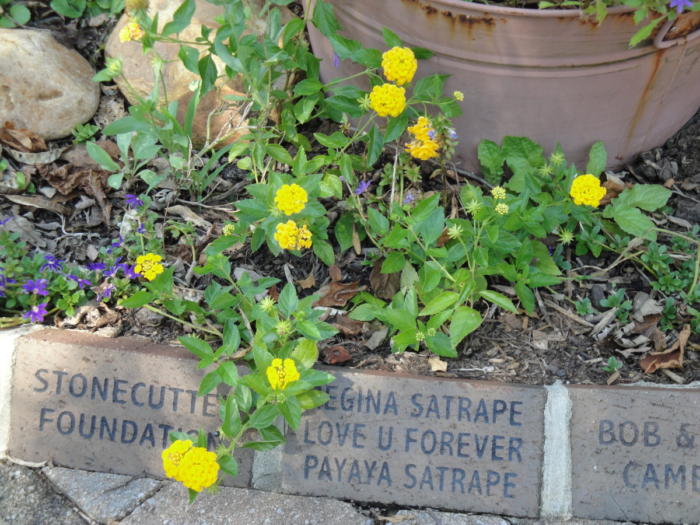









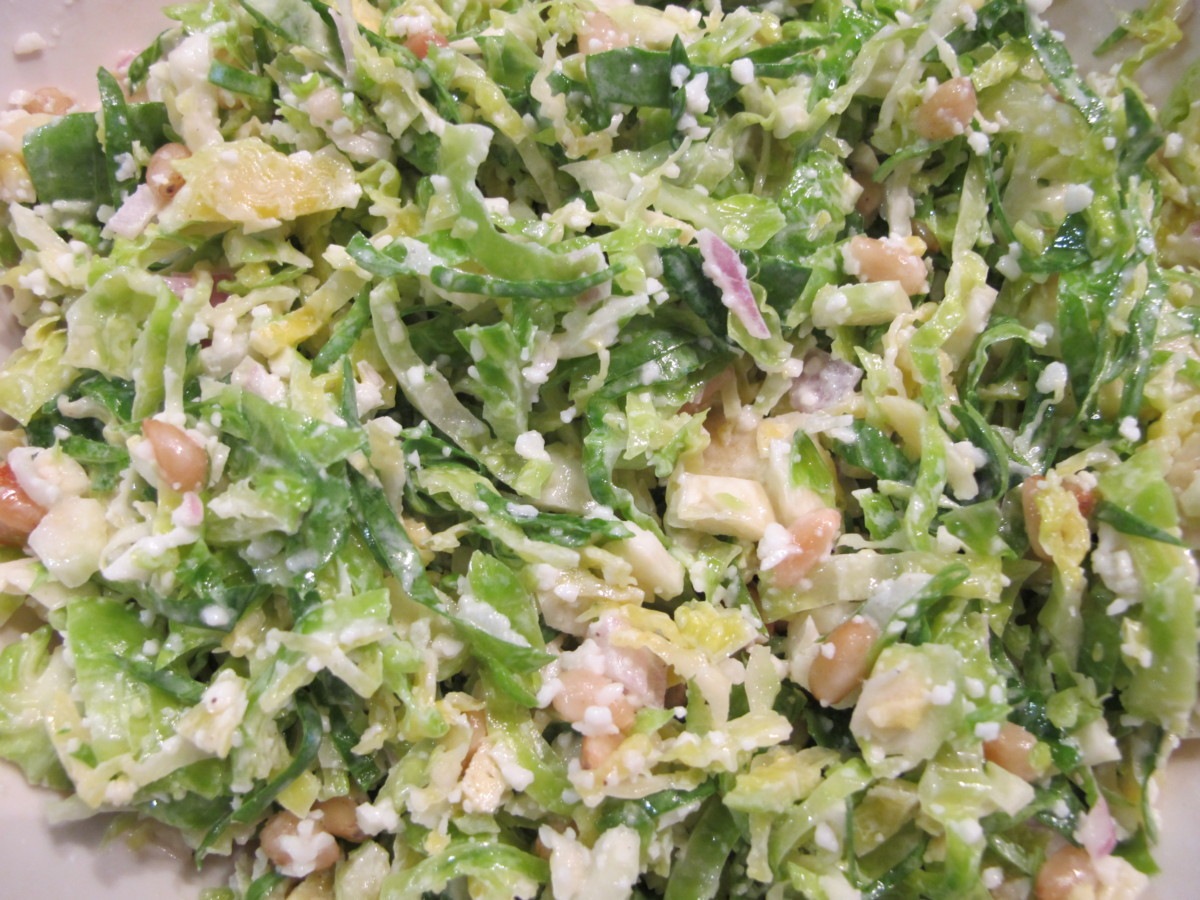
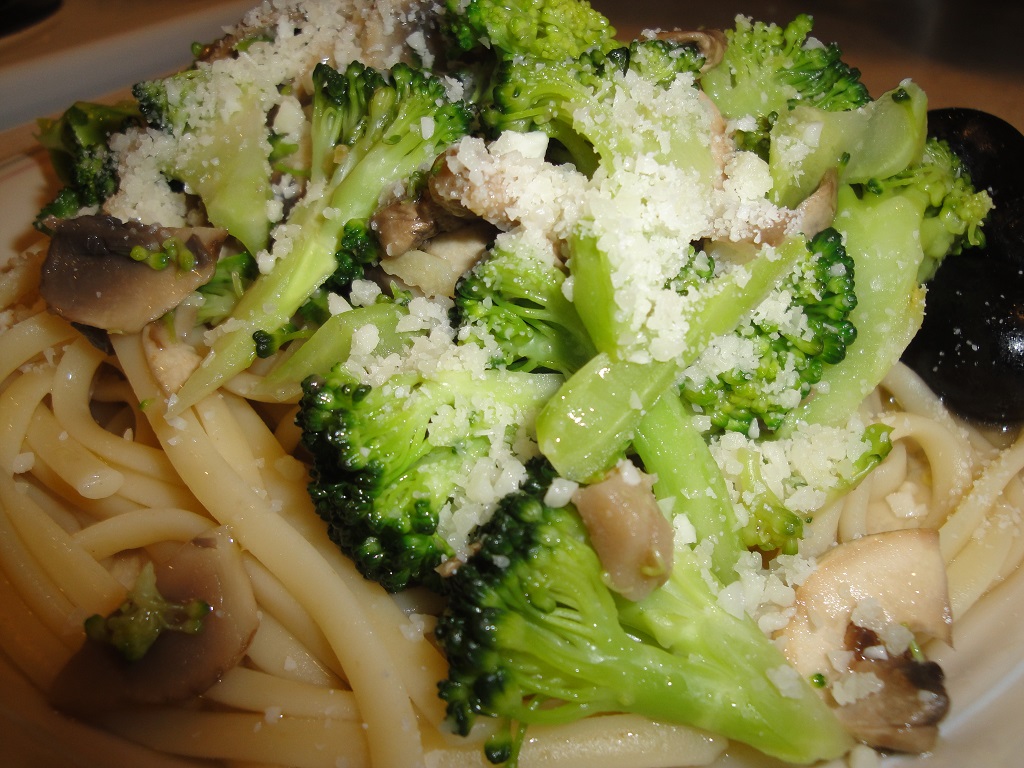
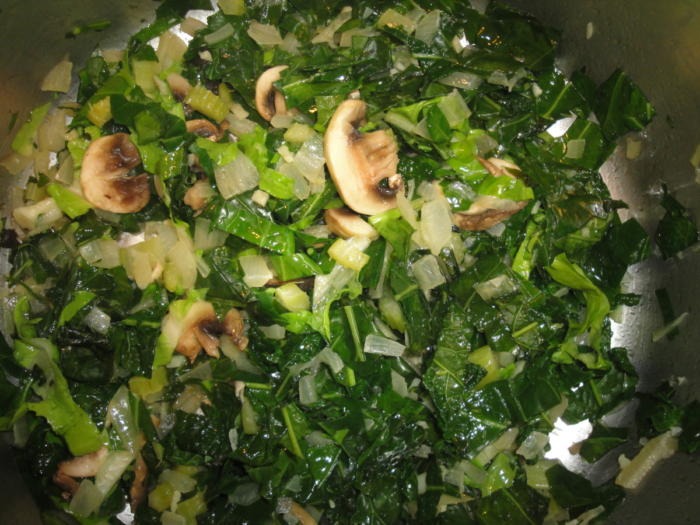
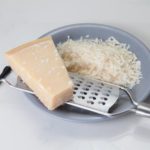 In a medium frying pan, add about 3 Tbsp. thinly sliced onion and 1 or 2 Tbsp. olive oil. On medium heat, cook and turn until onion is transparent to a light golden color.

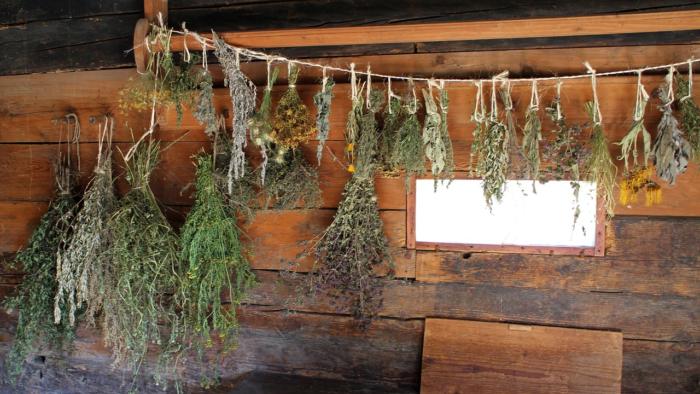





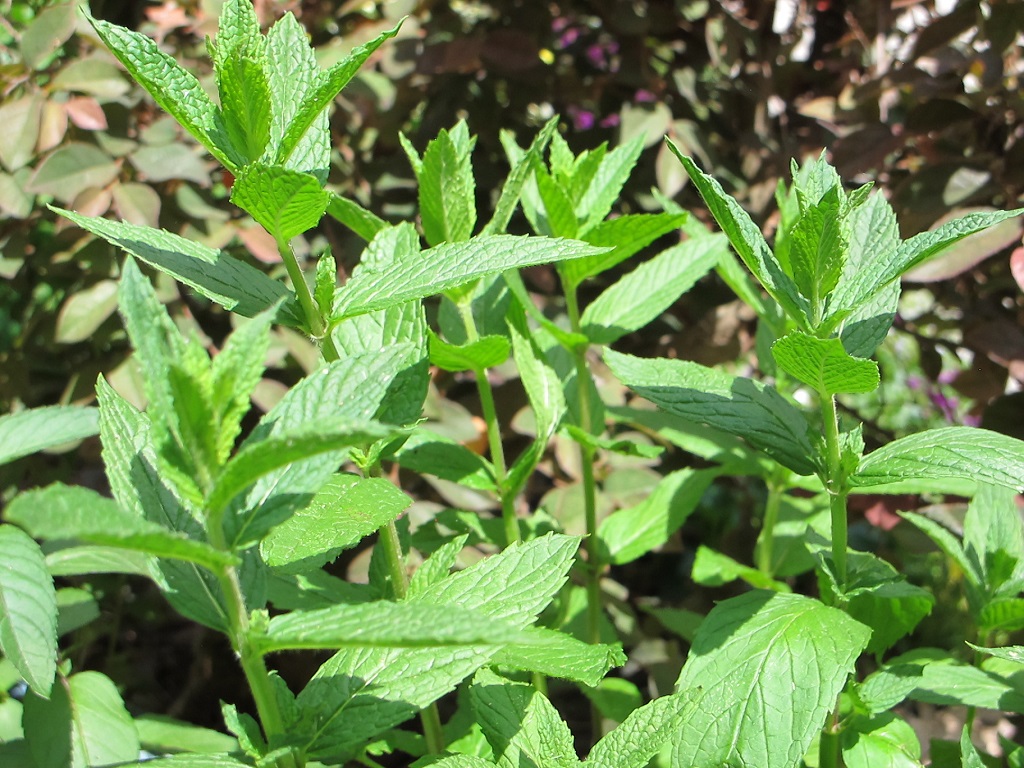
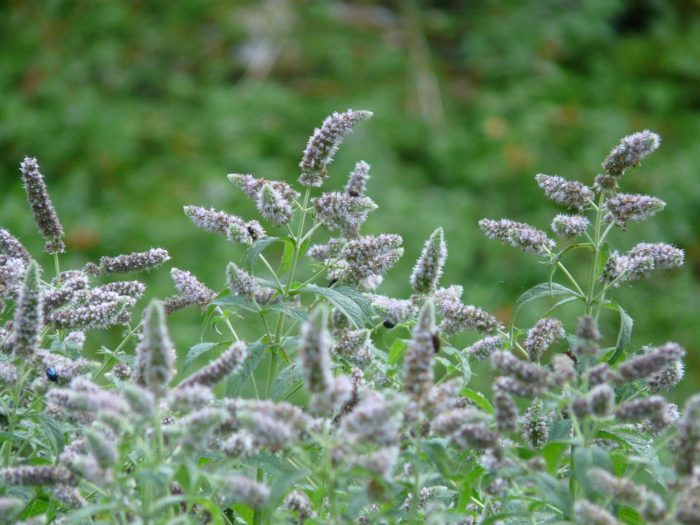
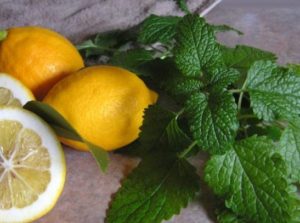
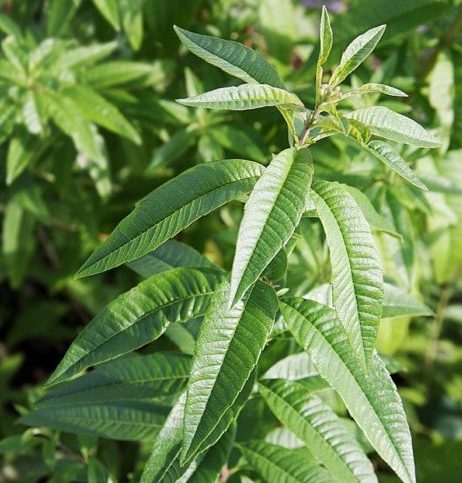
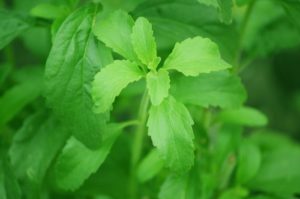
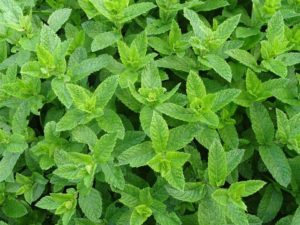
 During cold weather, place the pot next to the south side of the house (northern hemisphere), and cover with a deep layer of leaves or pine needles. Partially planting the pot in the ground (“heeling in”) will better insulate the root system from extreme cold. The mints usually regrow a second season, but, most likely, stevia and lemon verbena will need to be replanted.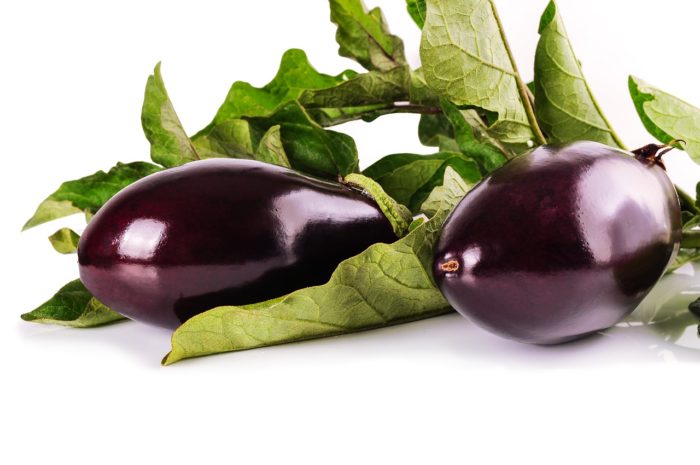

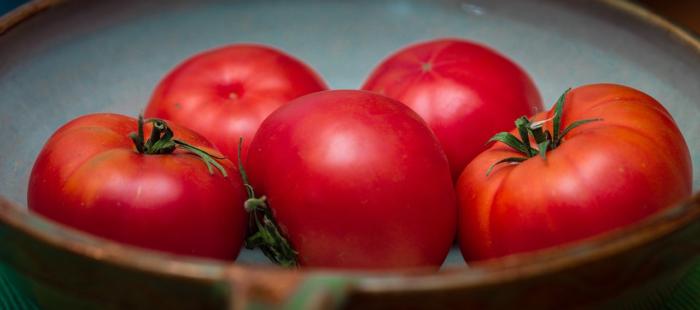
 The crop that home gardeners are most concerned about is the tomato. But this could happen to peppers, eggplants, and other vegetables as well. When temperatures soar into the 90’s F, the pollen produced in the flower is “denatured”, or, essentially, killed. No pollen means no fruits!





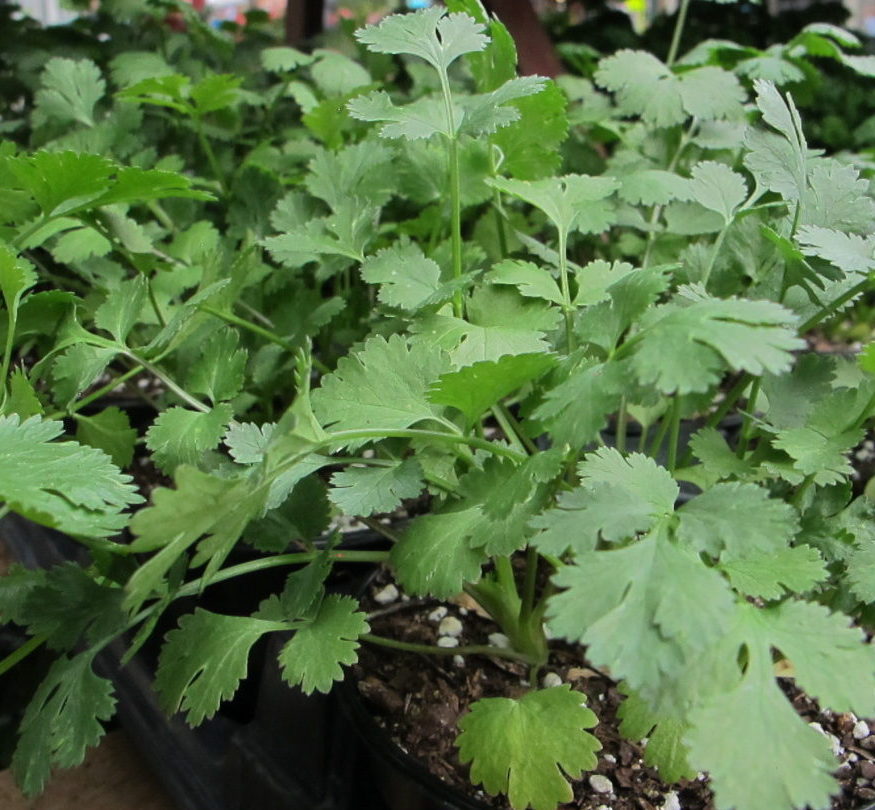
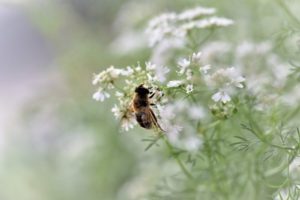
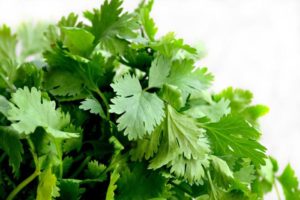
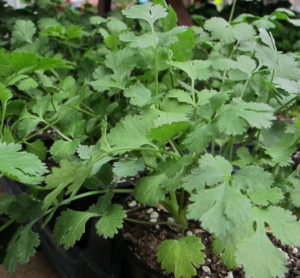
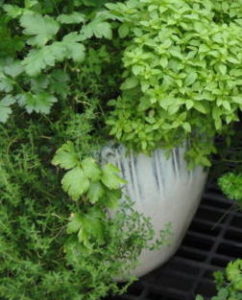 If your only option is growing cilantro in a pot, choose a light-colored pot during the warm months and a dark pot in the cooler months. Why? Because the color of the pot reflects or absorbs energy from the sun.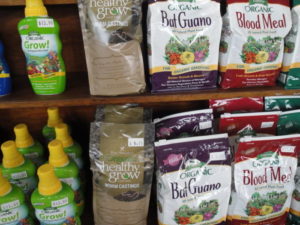

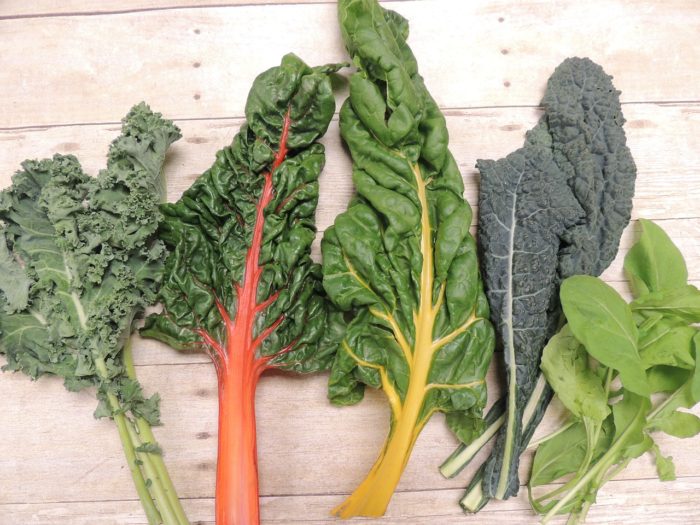

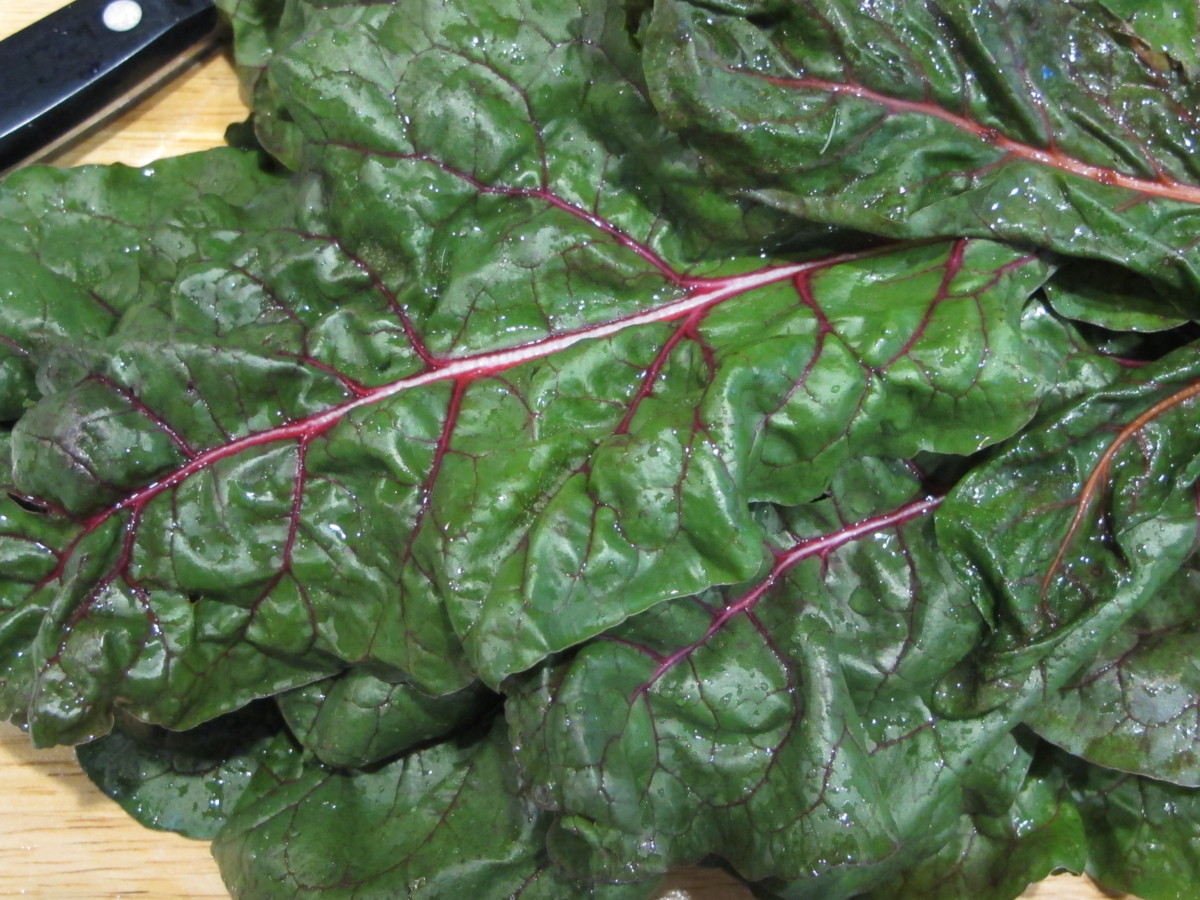




 In 1977, the Consumer Product Safety Commission banned the use of lead paint in residential properties. If you live near an industrial region, a busy highway, or where lead paint might be a concern, I strongly advise testing for lead before you prepare the soil. Local zoning authorities should have records on past property use. For more information, contact the National Lead Information Center at 800 424-5323.

 After moving to Charlotte, North Carolina (USDA zone 7b) in 2013, I’ve used clear plastic and miniature lights to ripen up the last of the summer vegetables. And they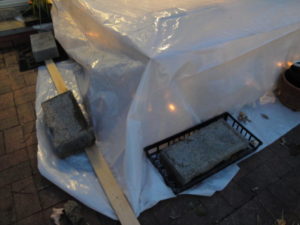
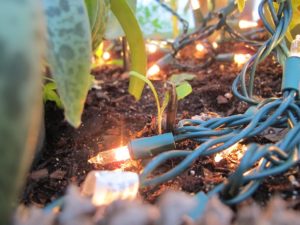 There are few products on the market that demonstrate the phenomenon of planned obsolescence as clearly as cheap imported miniature lights. Stock up on them when they’re plentiful. They don’t last more than a couple of years with frequent use—not as long as they used to. They’re becoming increasingly scarce in favor of LED’s. Tread carefully!